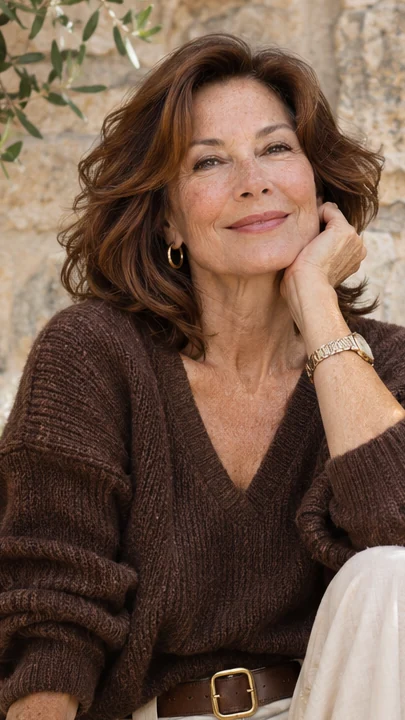
25 Gray Blending Ideas for Women Over 60
The first silver strands tend to show up wherever your part puts them on display. Decide how much you want to keep visible before you and your colorist choose what to put around them.
Bring a daylight photo of your roots and any old dye. Gray blending on brunette hair can mean a small change near the temples or a transition that takes several visits.
1. Fine silver ribbons on espresso
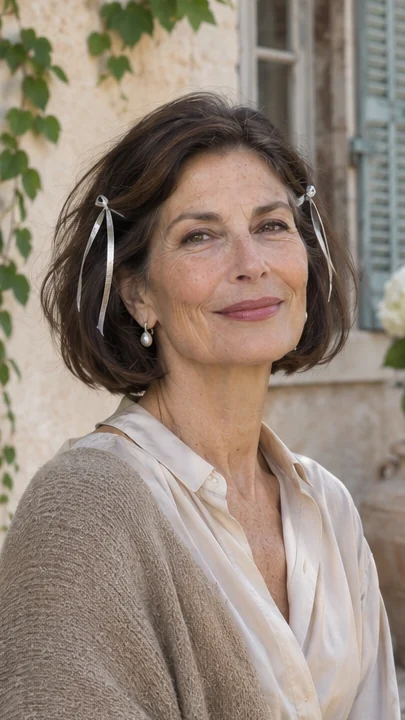
A dark base can make a white temple look like a separate patch. A few narrow ribbons near the hairline can ease that jump when a colorist matches the brightness to the strands already there. Keep the underside dark if you like seeing some depth when you tuck your hair.
2. A single silver panel
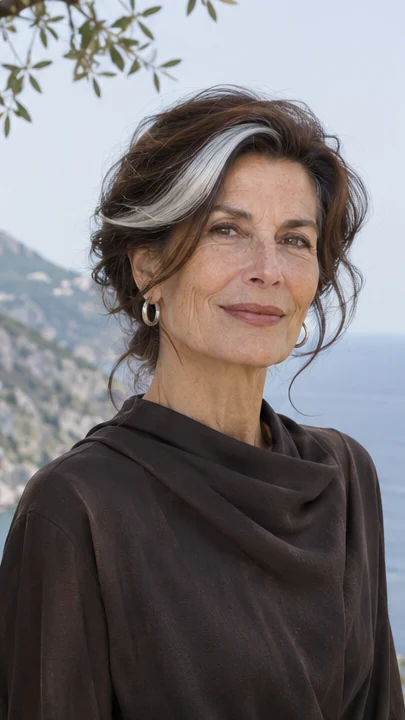
One wider section near the face suits a gray patch you like seeing. Ask for a panel that follows where the silver grows instead of forcing a stripe over both sides. Check it with your hair pulled back as well as loose. The panel may look wider once it’s off your face.
3. Cool beige babylights on blonde
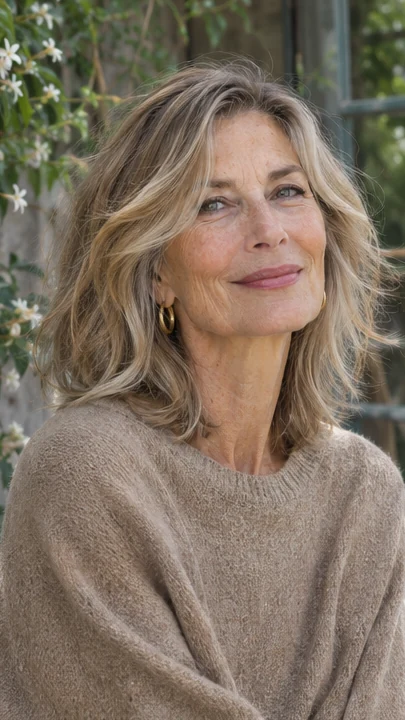
Fine woven pieces can sit among white strands on a blonde base.
Beige gives the transition a softer cast than a strong gold. Have your colorist show you a swatch under daylight. A cool tone on a screen can look much warmer beside your actual ends.
4. Espresso lowlights through gray curls
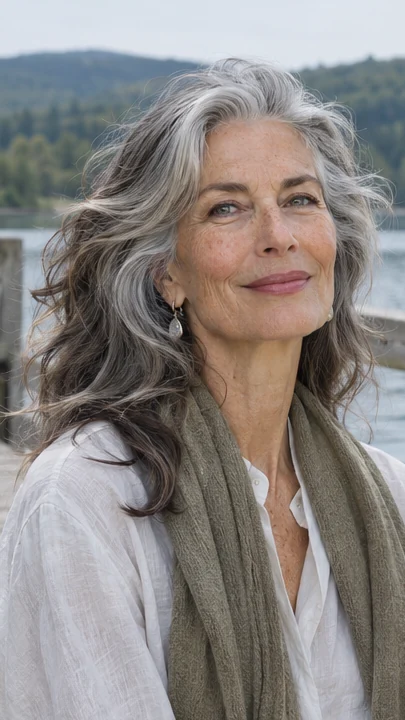
Thread fine dark pieces between some gray curl groups to break up a block of silver. Keep the darkest pieces near your natural dark shade. A colorist can place a few where the curls fall when dry, so the pattern makes sense after the first wash.
5. Steel gray with a bright front

If the front grows white and the rest grows steel gray, leave that difference visible. Ask for any toner to be chosen around the front section first, since its lighter base can show a violet or blue cast sooner. A silver finish still has room for darker strands at the nape.
6. Mushroom brown around scattered gray
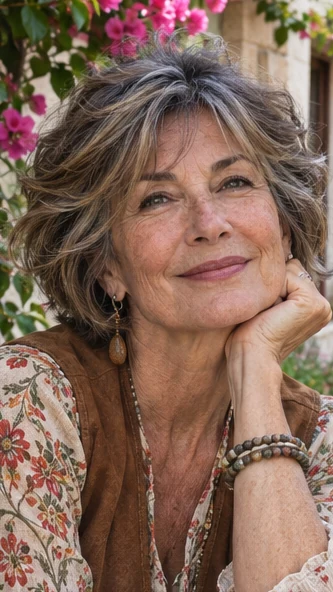
Soft taupe brown can sit close to a scattered gray pattern on an ash-brown base.
Colorist note. Use narrow pieces and leave spaces between them. Compare the swatch against the roots as well as the old color. Warm ends can make an ash shade look cooler than you expect.
7. Pewter pieces beside the part
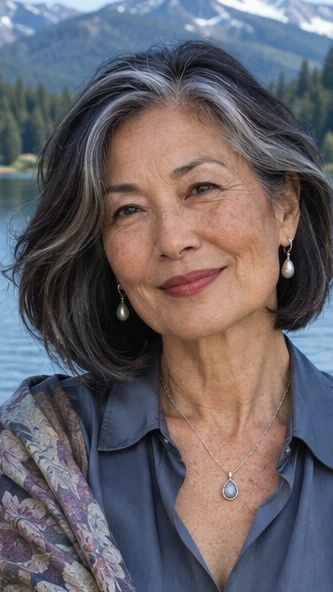
A few pewter pieces near the part can echo gray that grows in a stripe down the center.
Move the part to each side during the consultation and see where the stripe shifts. If you switch your part often, have the colorist place the pieces with both positions in mind.
8. Pearl around a white temple
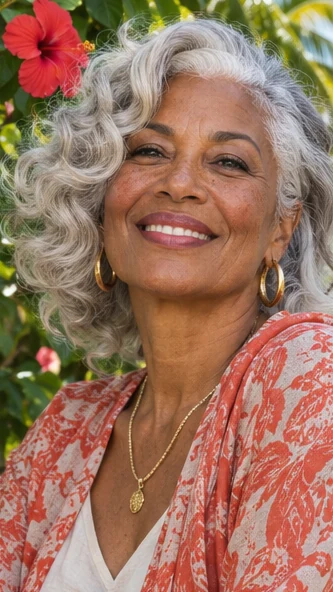
Use the white temple as the brightest point. A few pearl-toned pieces behind it can make the change to darker hair less abrupt. Leave a clear view of the white at the front. If the pieces look the same in the chair, compare them in outdoor light.
9. Ash-brown lowlights through white blonde
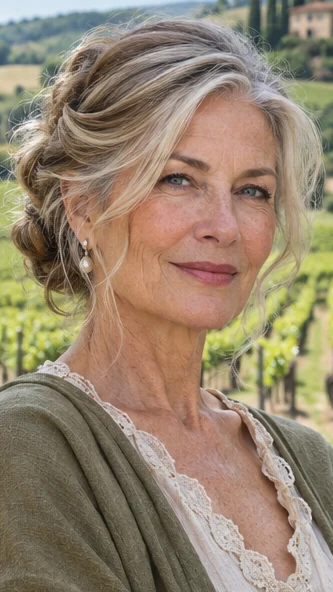
If white blonde has become one solid shade, try a few ash-brown lowlights underneath. They show when the ends move without darkening the top all over. Start with fewer pieces and see how they grow out. The closer they sit to your previous base, the softer the contrast may be.
10. Silver through a cropped crown
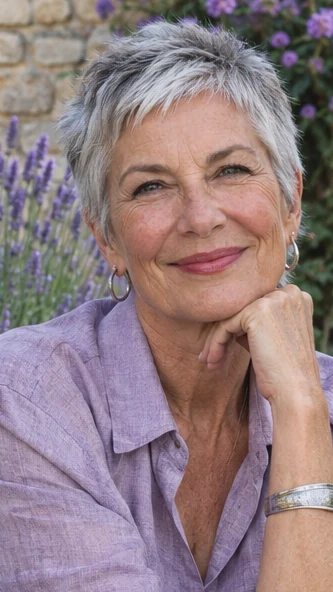
On a crop, there’s little length to soften a thick stripe. Choose thin pieces that follow the hair as you brush it forward or aside. Ask your colorist to check the placement before you go shorter. A fresh trim can change how much of each piece you see.
11. Smoky strands under the top layer
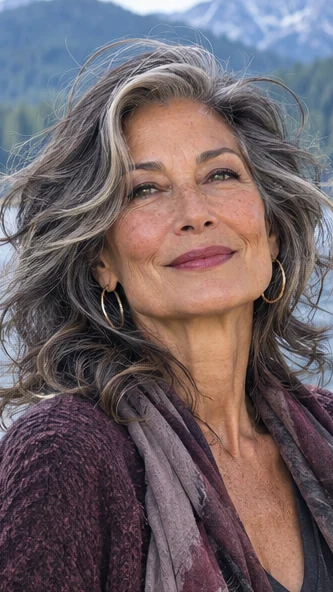
Keep the top close to your natural color and add a few smoky strands beneath it.
Swatch check. The deeper shade appears when you tuck or clip a side. If you wear the same tight part most days, this is a way to keep the color across the crown quiet.
12. Beige ribbons on warm brown
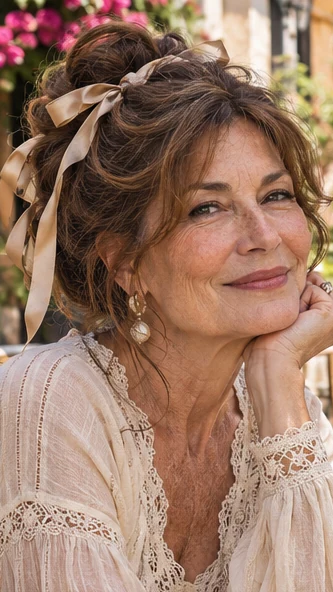
A brown base with warm ends can take sandy ribbons that sit between the brown and gray. Bring a photo of the base in daylight. Ask if the lightened pieces will read beige once they settle. If you prefer to keep the warmth, skip a toner that takes it all out.
13. Silver at the temples only
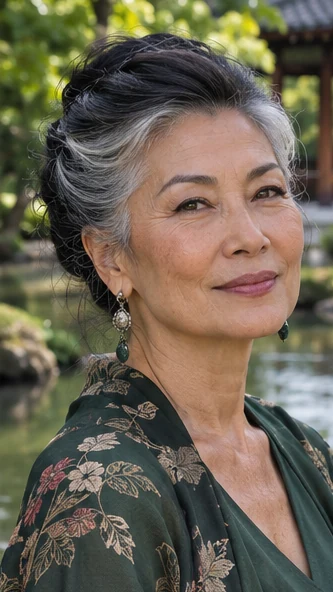
If gray shows at the temples first, start the conversation there. Ask for a few pieces around the ear and leave the back in its current shade. Wear your glasses for the color consultation. Their arms can hide the very strands you’re trying to make visible.
14. Salt and pepper through the nape
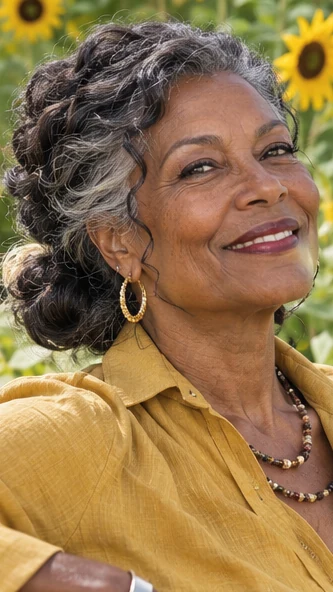
Natural dark strands often stay visible lower down. Keep a strip of that darker color through the nape and let the white show at the hairline. The contrast reads best when you turn your head. Take a back-view photo before asking for more dark pieces.
15. Cool blonde through a grown-out highlight
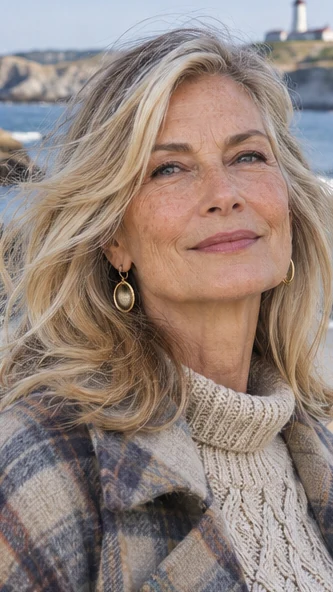
If old highlights are warmer than the silver coming through, ask if a few cool pieces can connect the two near the part.
Bring a photo of your hair before you coloured it. Existing lightened ends can respond differently from virgin roots, so have a colorist check the condition first.
16. Mink brown around a gray fringe
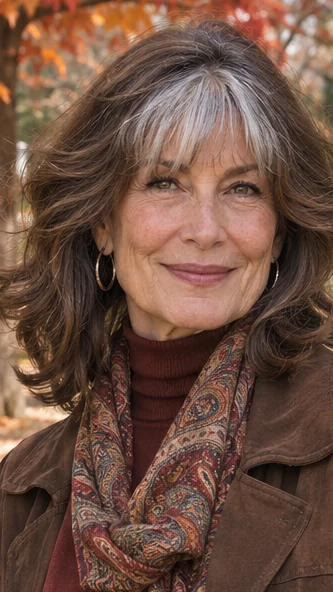
A gray fringe can go bright on its own while soft mink brown sits at the sides. Let the fringe grow a little before deciding where to join the colors. With a very short fringe, the line can become visible within a trim cycle, especially if the surrounding color is deep.
17. A lighter rim around the face
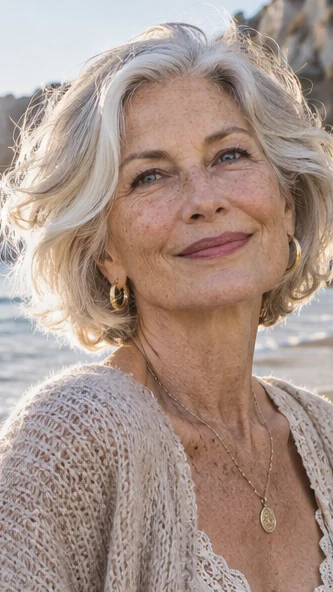
Keep the face frame slightly lighter than the rest of the hair, with a few fine threads at cheek level.
Daylight check. Ask for a photo in profile as well as a front view. You’ll see if the pale pieces form an edge or disappear when you press hair behind an ear.
18. Graphite lowlights on salt and pepper
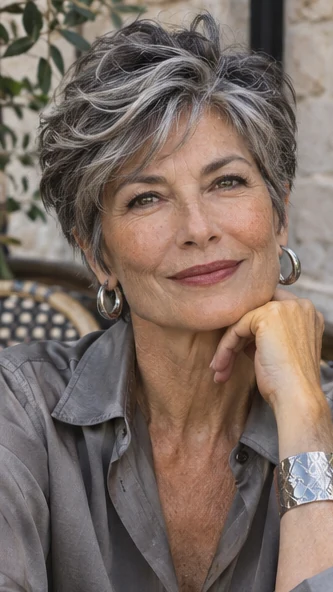
Use graphite if your remaining dark hair has a cool cast. Ask the colorist for a few narrow threads between white strands instead of a heavy block at the crown. Compare the graphite with your darkest natural pieces. A shade that looks charcoal on a chart can still look nearly black beside white.
19. Natural white streak with an untouched base
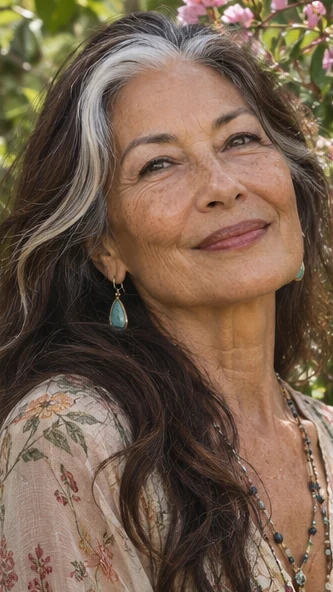
Some silver grows in a shape worth keeping.
Put that bright section on display with a side part and leave the rest of the color alone. If you take a reference to the salon, show where your own streak starts. Its position matters more than the exact width in the photo.
20. Soft brown demi color on scattered white
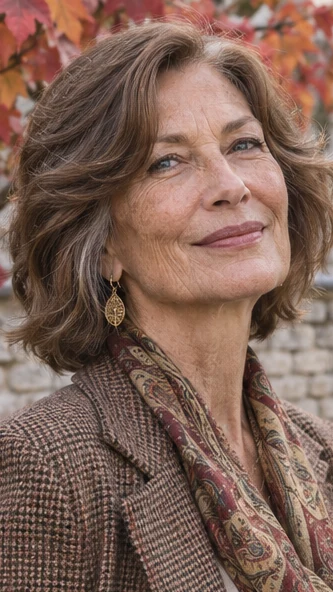
If you want some gray to show, discuss a demi-permanent service and ask how much coverage to expect on your particular strands. A swatch and the history of your old color give the colorist more to go on. Use the consultation to decide how much white at the hairline you want to keep.
21. Fine pale threads through curls
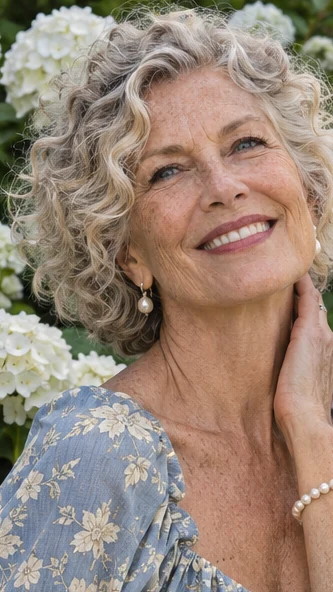
Start with a few brighter curl groups near the cheek. A colorist can check the natural curl pattern before choosing where to place lightener. Ask how they’ll handle the ends if they’ve already been colored. The photo should show the loops clearly enough to see where the light pieces start.
22. Silver roots with old dark ends
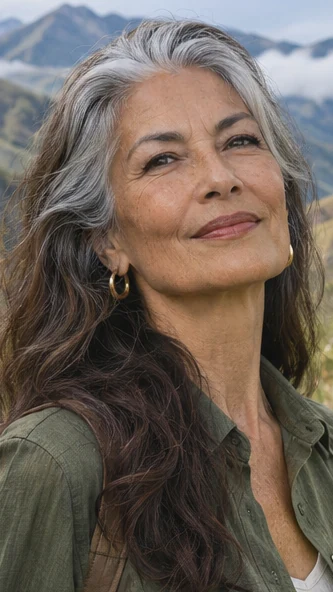
Growing out a dark dye can leave a sharp line where silver meets the old color. Discuss a staged transition and bring the dates of your last few color services. If the ends won’t lighten safely in one appointment, a shorter cut or a few visits can change the balance over time.
23. Cream highlights on salt and pepper waves
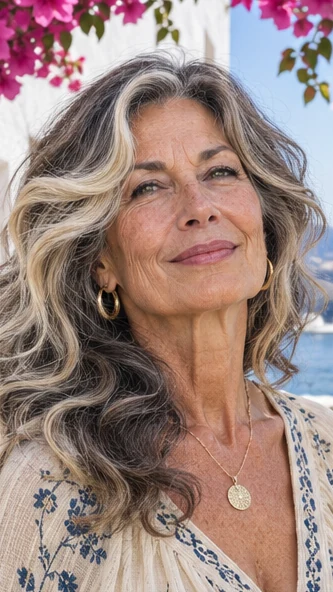
Cream pieces can bring out the top of a wave without turning the low points white.
Ask for a few pieces near the bends you see when your hair dries loose. If you style with a side part, check that the bright pieces show on the fuller side.
24. A clear gloss on mostly silver hair
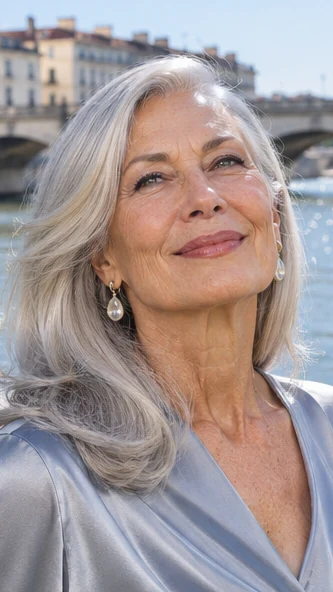
If you like the shade you already have, ask what a clear gloss would do for the finish. Put a swatch or sample beside your natural silver if a tinted gloss comes up. You may prefer to keep the bright white areas free of added tone.
25. An uncolored silver transition
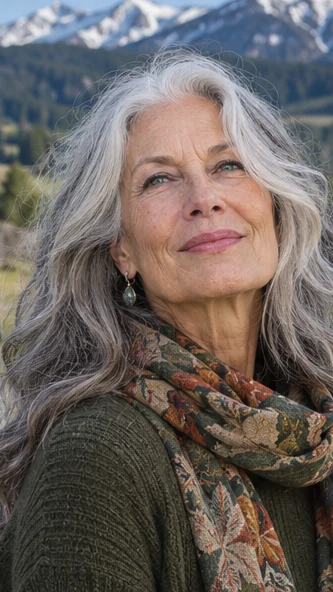
Take a picture of the part each month as the color grows through. A photo in the same window light helps you see how the line changes. If you’re happy with the new growth, ask for a trim plan that works toward the length you want to wear once the old ends are gone.
For more ideas, see the guide to short styles that leave room for your glasses.
Further reading. Wella Professionals on color and gray regrowth.
The portraits are AI-generated illustrations of the featured looks.