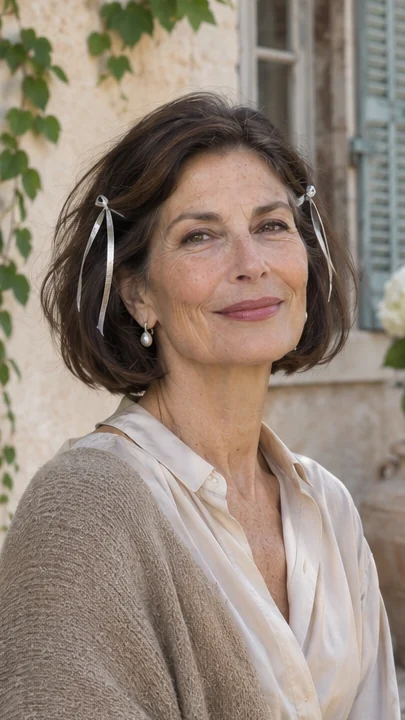
23 Low-Maintenance Hair Colors for Women Over 60
Start with the roots you actually grow. A polished salon photo can tell you which shade you like, but the color at your part tells you how you’ll feel about it a month from now.
Consider faded ends, overhead light and the number of appointments you want to make. Tell your colorist which part you’d like to spend less time on.
1. Warm chestnut brunette
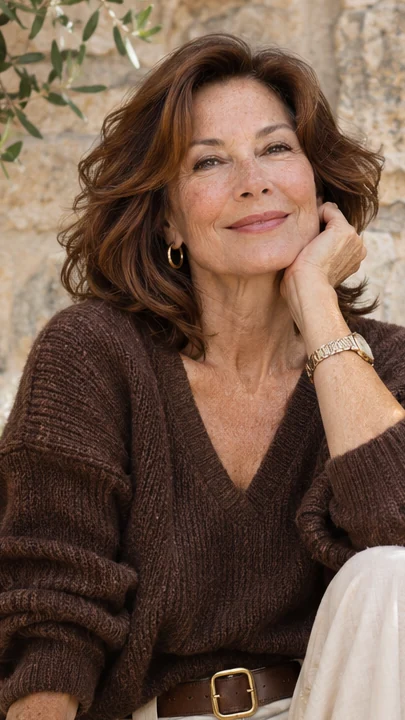
Chestnut looks warm in indirect light without reading red all over. If your roots grow in lighter, ask for a base close to their depth and save the brighter copper notes for the lengths. Compare the sample beside your natural part.
2. Beige bronde
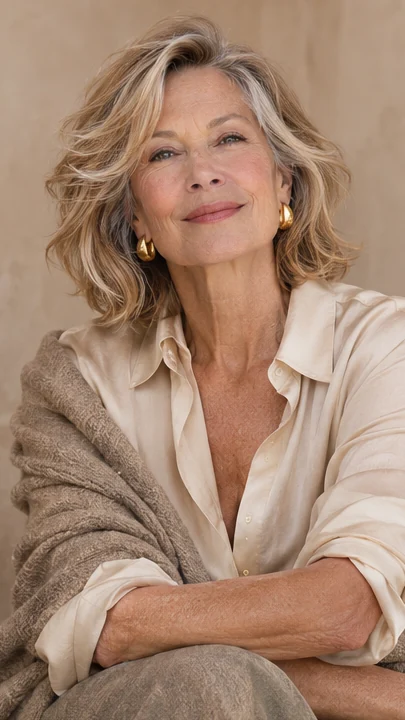
A beige bronde has enough brown to leave depth at the roots and enough blonde to catch light at the ends. If you want to stretch visits, keep the brightest pieces below the part and ask how those pieces will fade.
3. Golden dark blonde
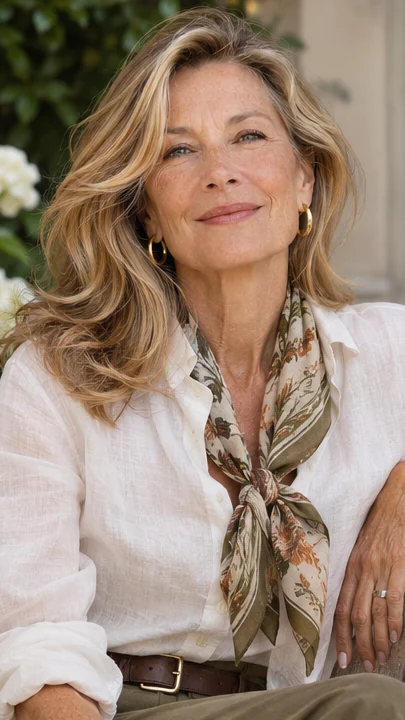
For naturally dark-blonde hair, a few gold pieces can warm the length without turning the roots into a separate shade.
Let the colorist compare the warmth with your own base. A gold that looks soft indoors can turn quite yellow beside white hair.
4. Cinnamon brown
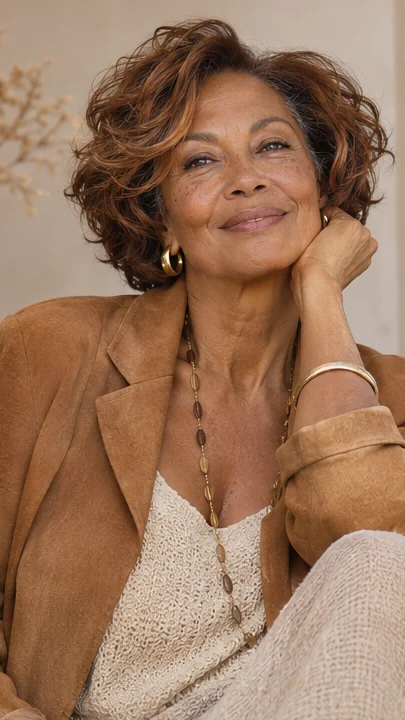
Cinnamon brings a little red into brown. Keep the strand color close to your current brown if your priority is softer grow-out. Ask how it will look after a few washes. Some red tones lose their brightness before your roots look due.
5. Neutral chocolate
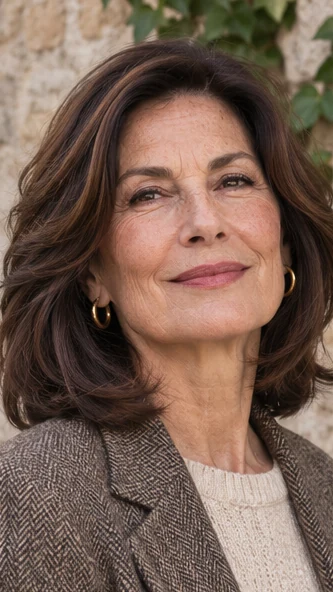
Choose chocolate close to the depth you already grow. Darkening several levels can make light roots more visible at the part. Have the colorist compare the root swatch with yesterday’s hair in daylight before setting the formula.
6. Warm espresso gloss
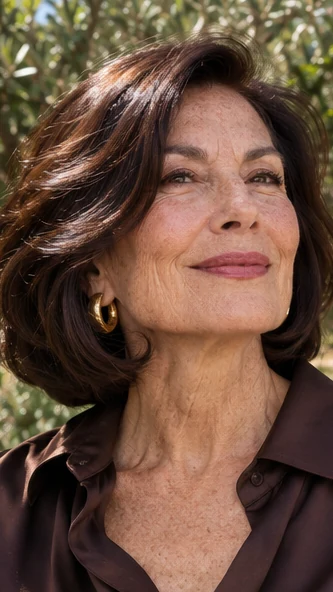
If you grow espresso hair and the ends have gone dull, talk through a gloss for the lengths.
Salon note. Clear gloss keeps the color you see, while a tinted one can add pigment. Ask about old dye before putting more dark color on the same ends.
7. Light mocha
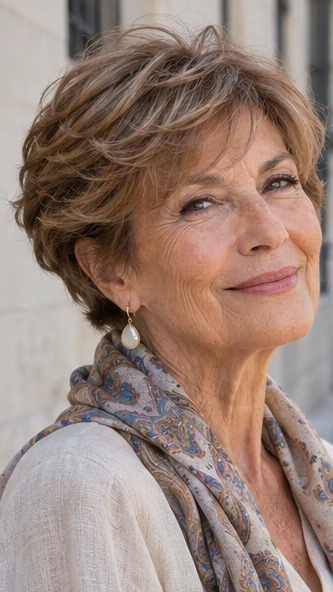
Mocha can sit nicely between a pale root and dark brown ends.
Ask if it needs lightening on hair that already has color. An end that has seen years of box dye may take the new shade differently from a fresh root.
8. Caramel around the cheeks
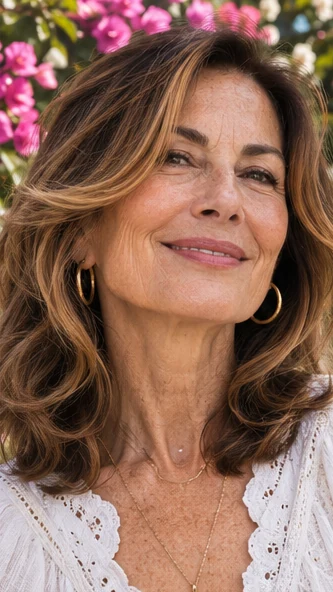
Put a few caramel pieces where your hair hangs beside the cheek. Leave the top close to your own color for less contrast as it grows. Tuck one side to check if you still see the warm pieces in the position you wear most.
9. Soft sandy blonde

A sandy blonde keeps some depth between the pale pieces. If you like the shade but dislike a visible bleach line, discuss finer sections through the top and keep enough natural hair between them to see it at the part.
10. Richer ends on natural brunette
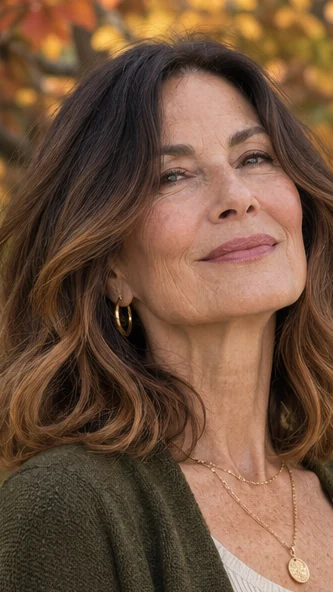
If your brown roots look right and the ends have faded, ask what it would take to bring the lengths closer to the base. A gloss may be enough in some cases. Check how the faded ends respond before making the roots darker too.
11. Golden brown with muted highlights
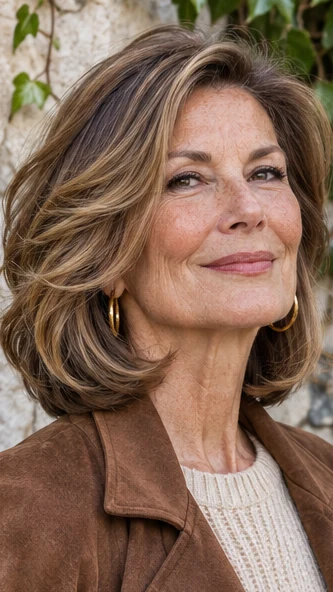
Skip a large step between the brown and the highlights if you want a quieter grow-out.
Daylight check. Choose a few muted gold pieces where a wave turns. In straight hair, wider bright pieces can look striped from the side.
12. Soft auburn
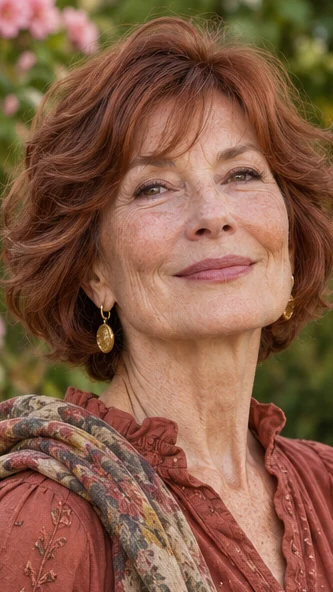
An auburn near your natural brown may feel easier to wear than bright red. Ask how much warmth the shade will lose between visits, especially through lightened ends. Bring an unfiltered photo of the auburn you like.
13. Dark strawberry blonde
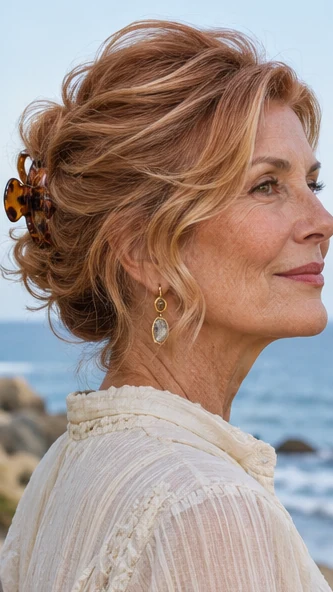
This shade works as a warm starting point for a lighter blonde who wants some copper. Ask the colorist to put two sample levels next to your hair. Pick the one you would still like once the copper wears down.
14. Buttery blonde through the ends
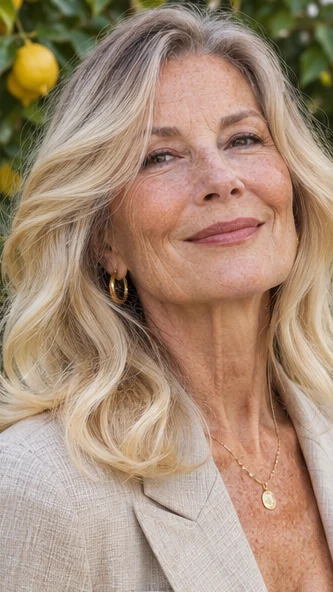
A creamy end color gives straight or wavy hair a lighter edge. Keep some darker blonde near the top if that resembles your root. The visible change stays farther down as the hair grows, which can buy time between highlights.
15. Taupe brown on an ash base
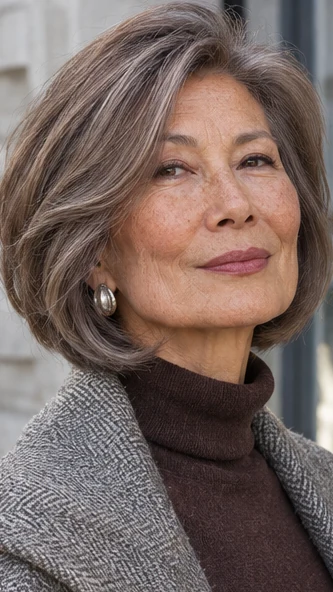
A taupe shade works best when there is already some cool brown at your part.
If the ends pull orange when lightened, discuss what toning will take. That upkeep matters more than how cool a sample looks on the first day.
16. Half-head honey highlights
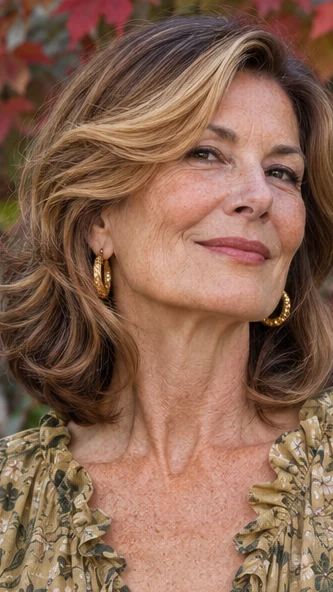
If the light pieces you notice are around the face and top, ask about doing those areas and leaving the underside alone. The contrast becomes clearer when you wear a ponytail. Bring a clip and check that view before booking.
17. Copper glaze on existing warm color
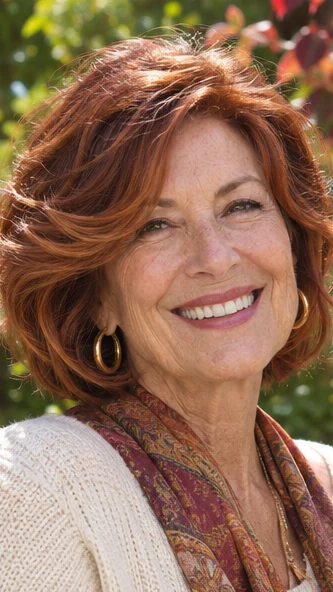
A glaze can be worth discussing if you already wear copper and want to bring back some brightness.
Upkeep cue. Ask which areas are porous. The ends may grab a richer tone than the roots, even with the same formula.
18. Natural dark brown with a soft edge

If you like seeing a little gray but want the ends a touch deeper, bring that up before anyone mixes permanent color. Discuss a soft brown through the lengths and decide how much natural contrast to keep near the scalp.
19. Rooted light brown
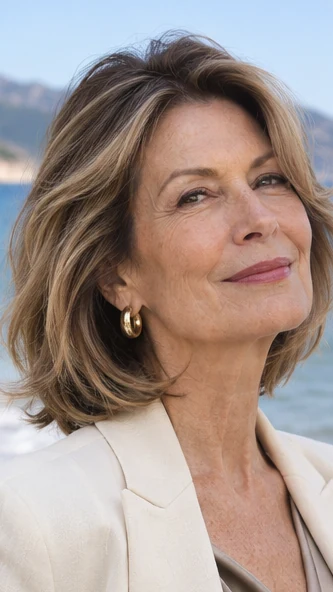
A deeper shade near the roots can keep a lighter brown from looking flat.
Ask that the deeper point sit close to your natural regrowth. If it’s much darker, a soft-looking first appointment can still lead to a sharp line later.
20. Subtle walnut balayage
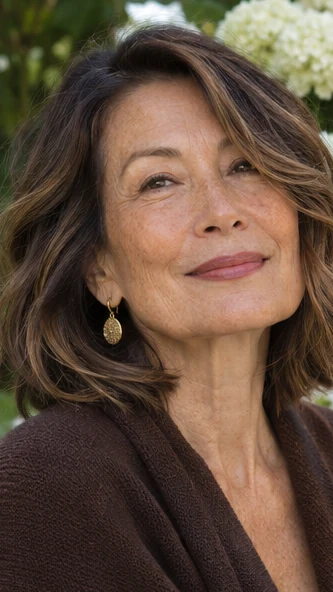
Walnut pieces on a brunette base can catch the light without becoming blonde. Ask to see a side view so you know where the lighter part starts. Placement low on the hair avoids a bright strip against the natural root.
21. Soft gray coverage at the part

Tell your colorist where the regrowth bothers you first. If it shows only along the part and front, ask if a partial touch-up makes sense between fuller services. That changes where you spend time in the chair and where you leave the color alone.
22. Single-process neutral brown
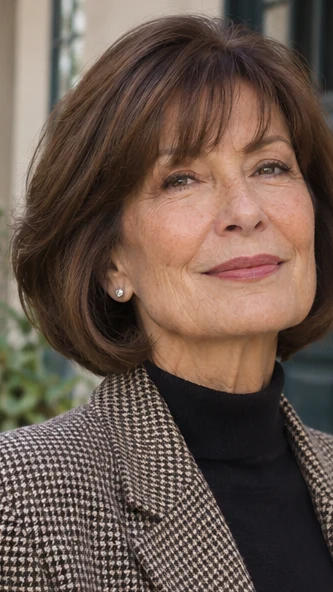
A single shade is practical if you want even coverage and like the color you naturally grow. Match the new base close to your existing one. Ask how the color will hold up between appointments if you have a large white patch at the front.
23. Clear gloss over your natural shade
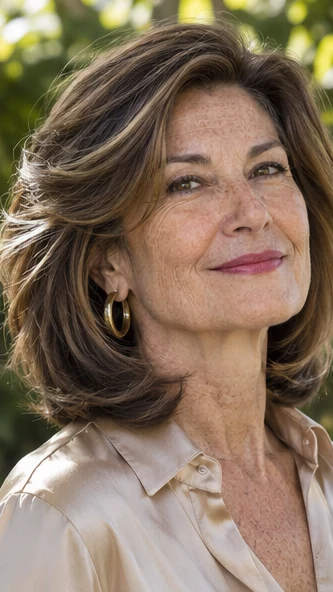
If the color looks right in daylight, start by talking about the finish.
A clear gloss may add shine without the upkeep of new pigment. Ask what you’re paying for and if a trim would improve the look of the ends first.
For more ideas, see the guide to short styles that leave room for your glasses.
Further reading. Wella Professionals on color and gray regrowth.
The portraits are AI-generated illustrations of the featured looks.