23 Blunt Haircuts for Fine Hair Over 60
Hold the ends of your hair against a dark shirt. If you can see the fabric between the strands, a solid cut line may make more of a difference than a volumizing spray. Hairstylist Anna Peters demonstrates how a one-length bob keeps weight at the edge.
These blunt haircuts for fine hair over 60 put that line in different places. Decide how much hair you want around your ears and how high you want the ends to sit when they’re dry.
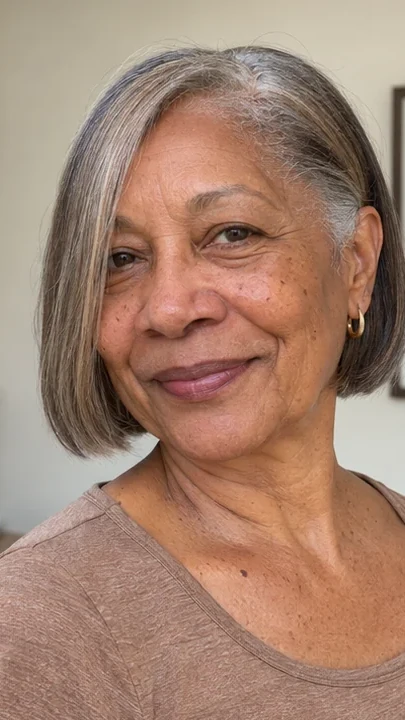
1. Jawline blunt bob
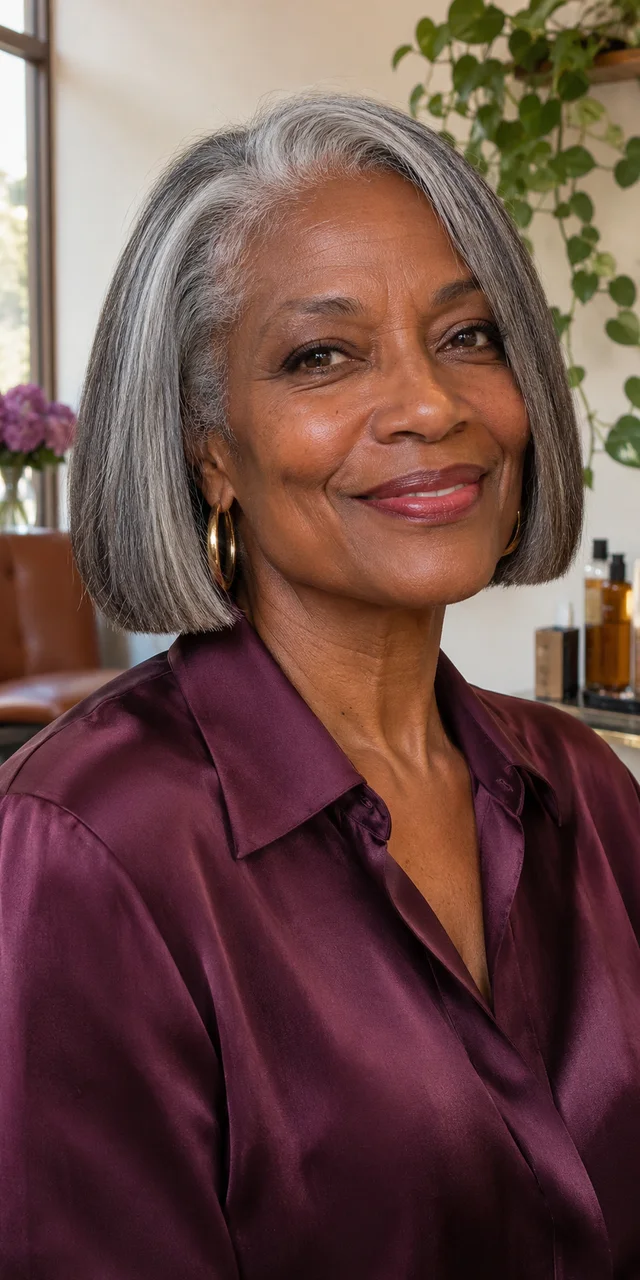
A jawline bob leaves a solid edge across the sides, right where the hair meets the lower jaw. It has enough length to swing when you turn, and the top of a collared shirt sits clear of the back.
Show your stylist which point on your jaw you mean. Ask them to check the edge with your head upright, since tipping your chin down can change the line you see in the mirror.
If you wear one side tucked most of the time, show them that side too. It will tell you how much of the line you’ll see on a normal day.
2. Earlobe micro bob
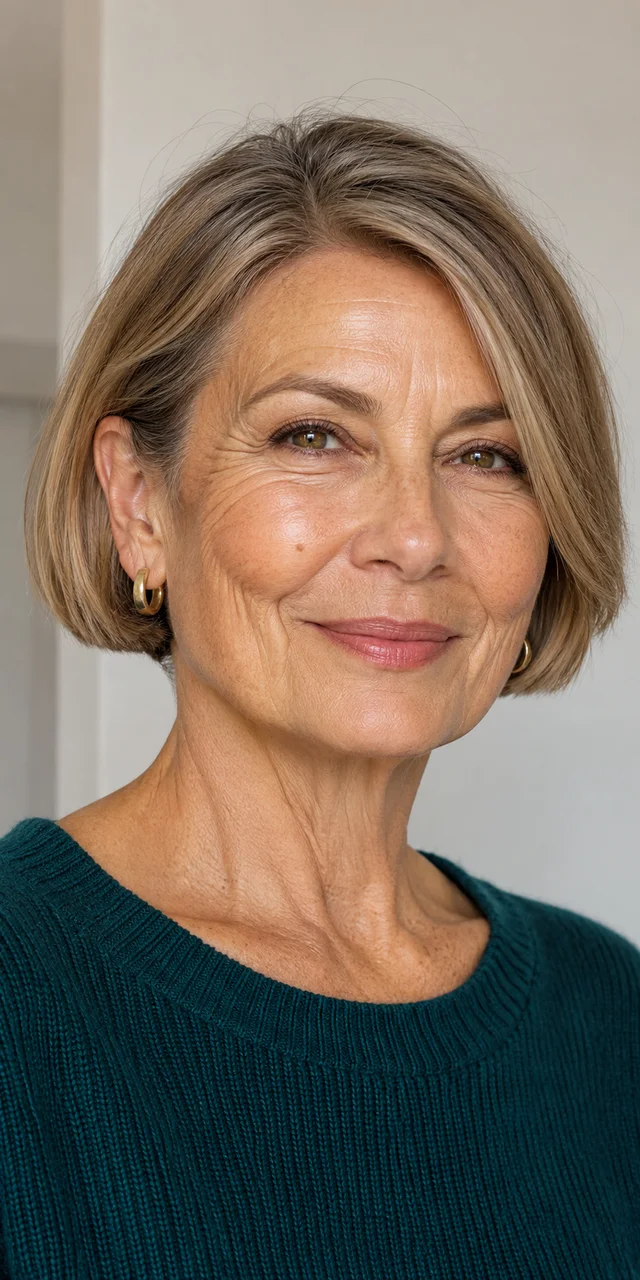
An ear-length cut makes the most of a small amount of hair because the ends meet before they start to look sparse. Expect the face and ears to be in view, including any difference in the hairline on either side.
Before committing, fold the ends under at earlobe height and try on your favorite earrings. If the hair slips forward in that test, ask for enough length to steer it away from the face.
3. One-length below-chin bob
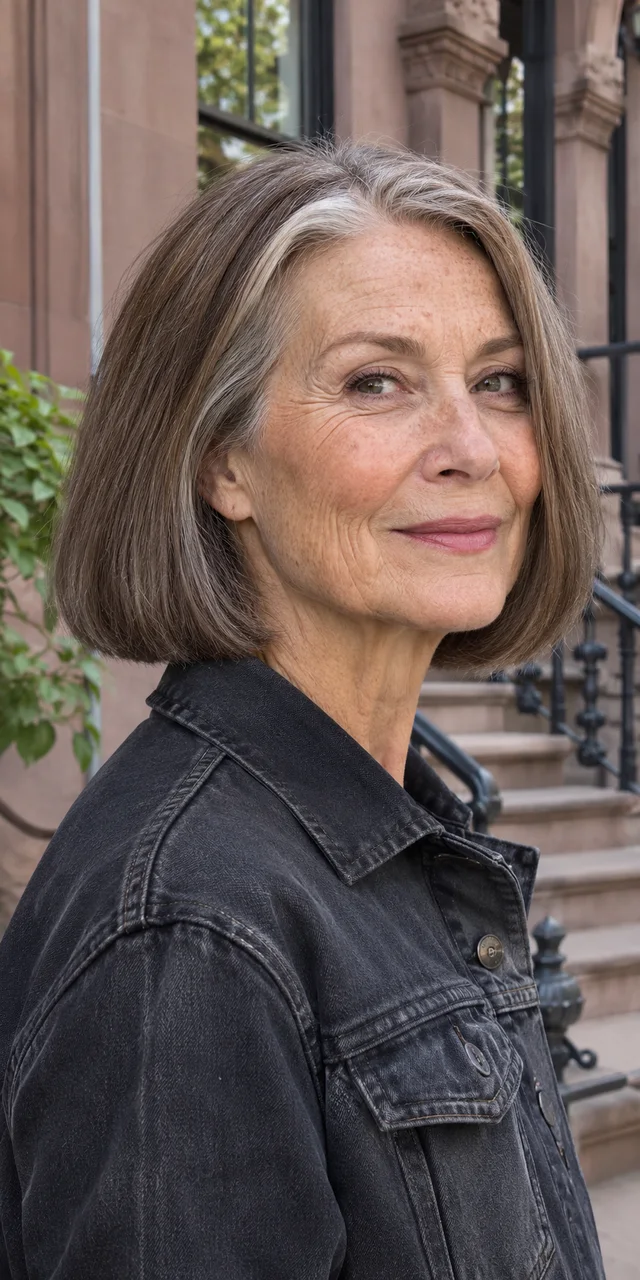
A bob that stops just below the chin gives the front enough reach to tuck. The bottom still has a distinct edge when you let it down, an advantage if you spend most of your day wearing it loose.
Check the tuck. Bring both sides behind your ears, then take your hands away. If the shorter side falls, make that your minimum length. Compare these chin-length bob ideas for reference.
4. Blunt angled bob
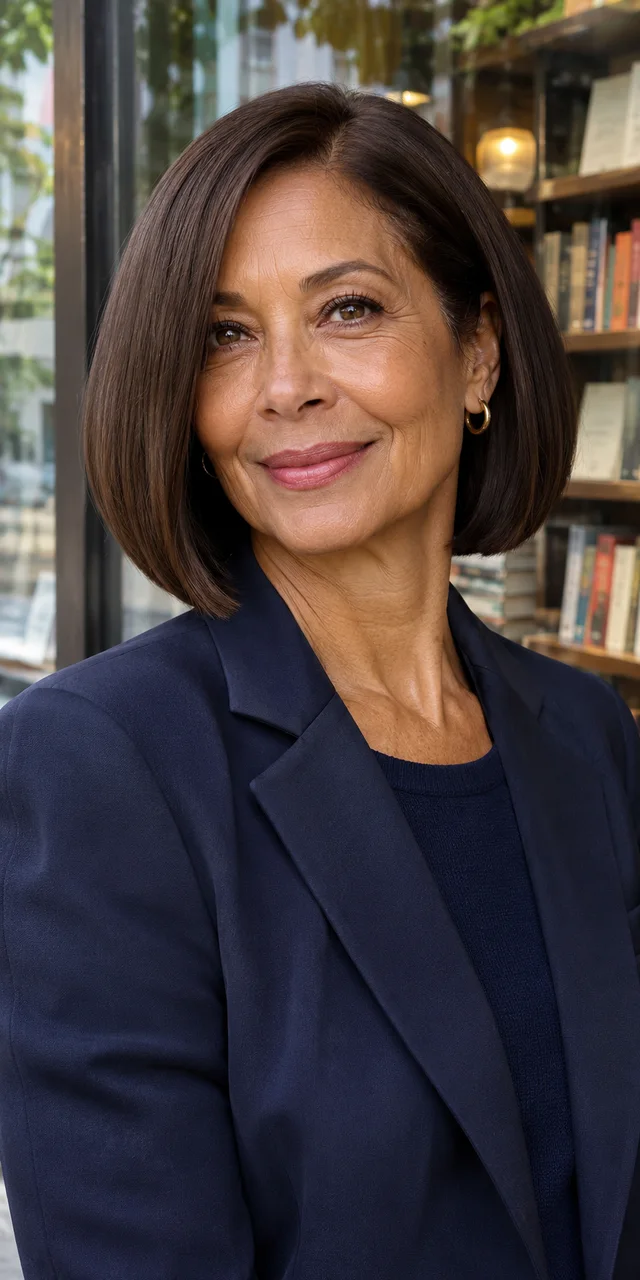
A narrow slope from the nape to the chin gives a blunt cut its shape in profile. Keep the angle modest if the hair at your front corners is finer than the hair across the back.
Ask for the stylist’s hand mirror and look at the forward points against the cape. The tips should read as part of a solid edge. If they look wispy, consider bringing the front up a fraction.
5. Collarbone blunt lob
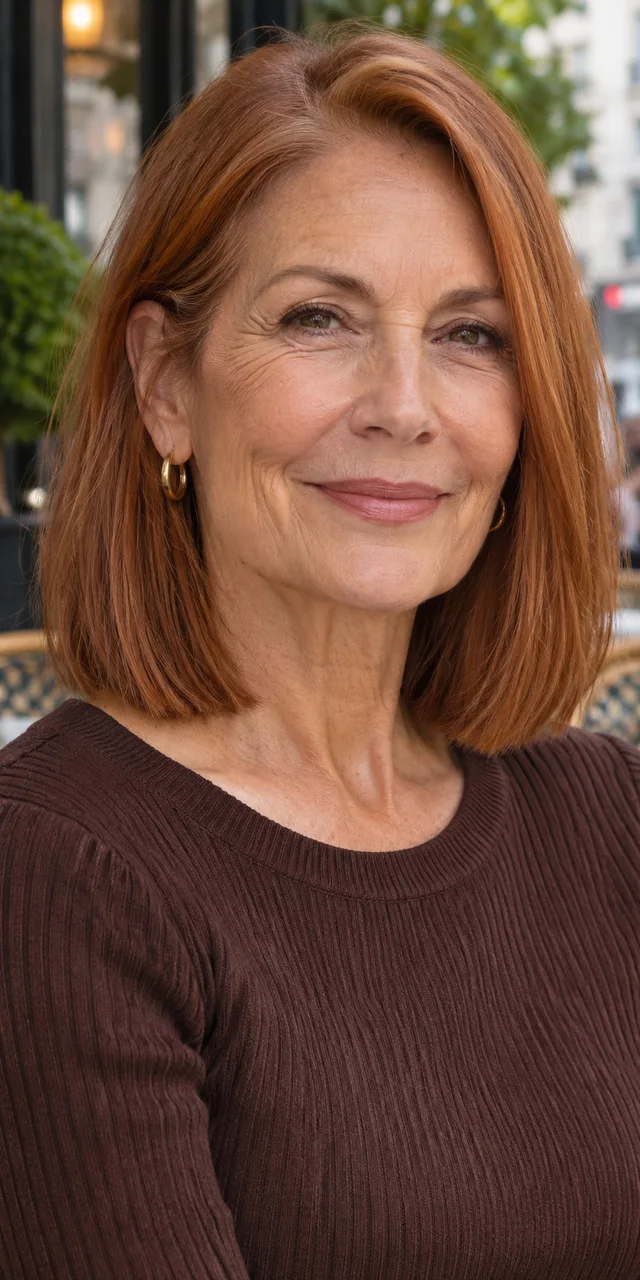
A collarbone lob leaves enough length to gather at the nape, and the solid baseline shows up against a crewneck. Straight fine hair can make the line look sharp with very little styling.
Sit in your usual posture for the dry check. If the hair presses on your shoulders and flips, move the line above the contact point or leave it long enough to lie beyond it.
Bring a hair tie if you need a ponytail for exercise. Check that the front corners reach it while you’re still in the chair.
6. Shoulder-skimming blunt cut
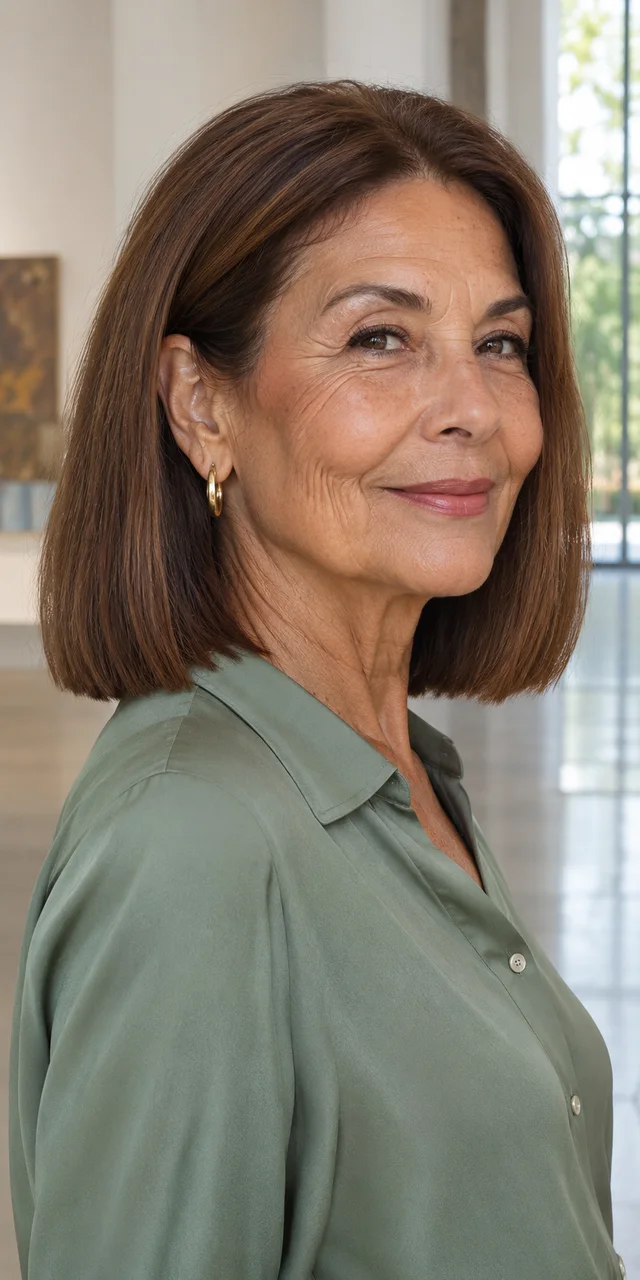
Hair that skims the shoulders can swing toward or away from the neck when it dries. A blunt edge makes either direction look deliberate, provided the ends still have enough substance to read as a line.
Try this with an open collar before asking the stylist to remove more. A shirt you wear often is a better guide than the salon cape for deciding where the back should meet your shoulders.
7. Mid-neck square bob
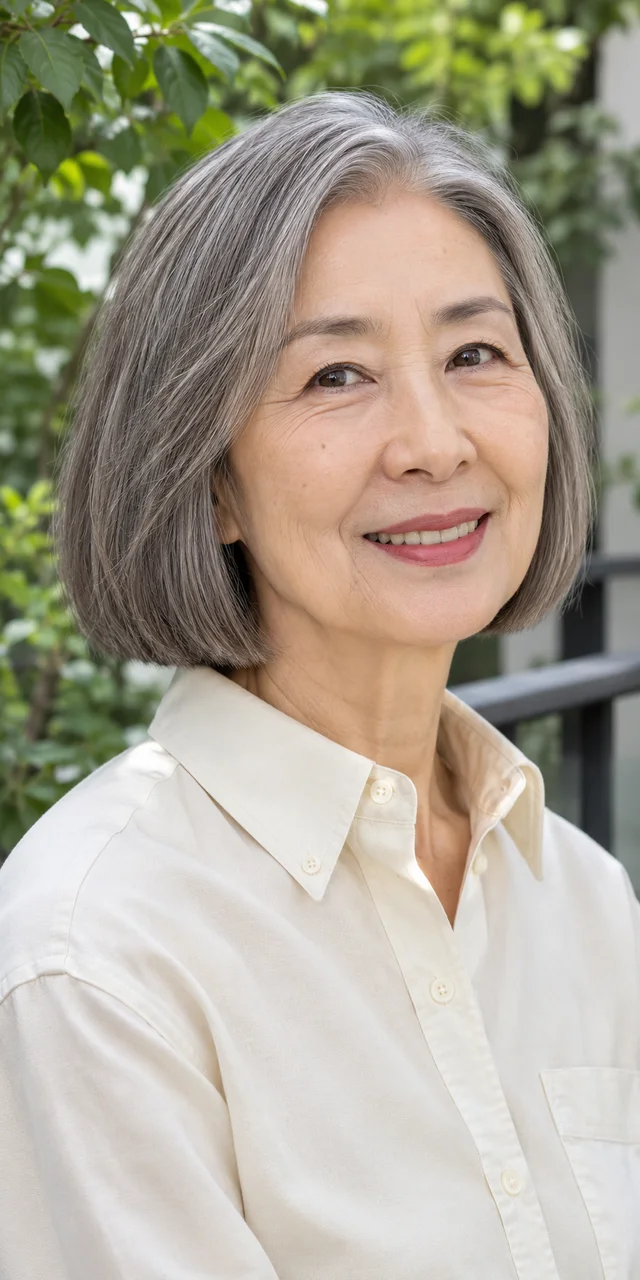
Look for a straight edge at mid-neck and a square corner beneath each ear. That width can give a compact haircut some presence, particularly when the hair above it wants to lie flat.
Keep an eye on the back where a scarf meets the edge. If the ends sit on the fabric and turn up, test a slightly higher line before the stylist finishes refining the corners.
8. Asymmetrical blunt bob
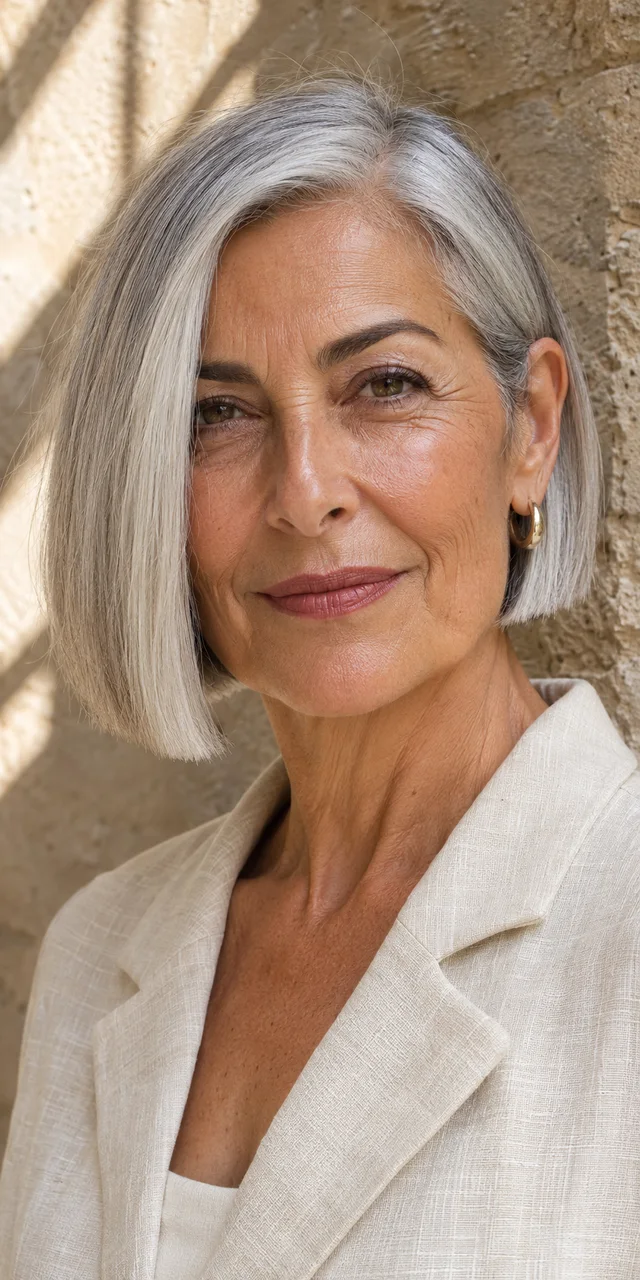
With an uneven blunt bob, the difference in length should show even if you wear both sides loose. Pick the longer side using the part you wear most often. Fine front sections need enough density to carry the extra length.
Bring the two proposed ends together under your jaw before any cutting. A small difference may be all you need, especially if you switch sides when tucking your hair back.
9. Blunt French bob with short bangs
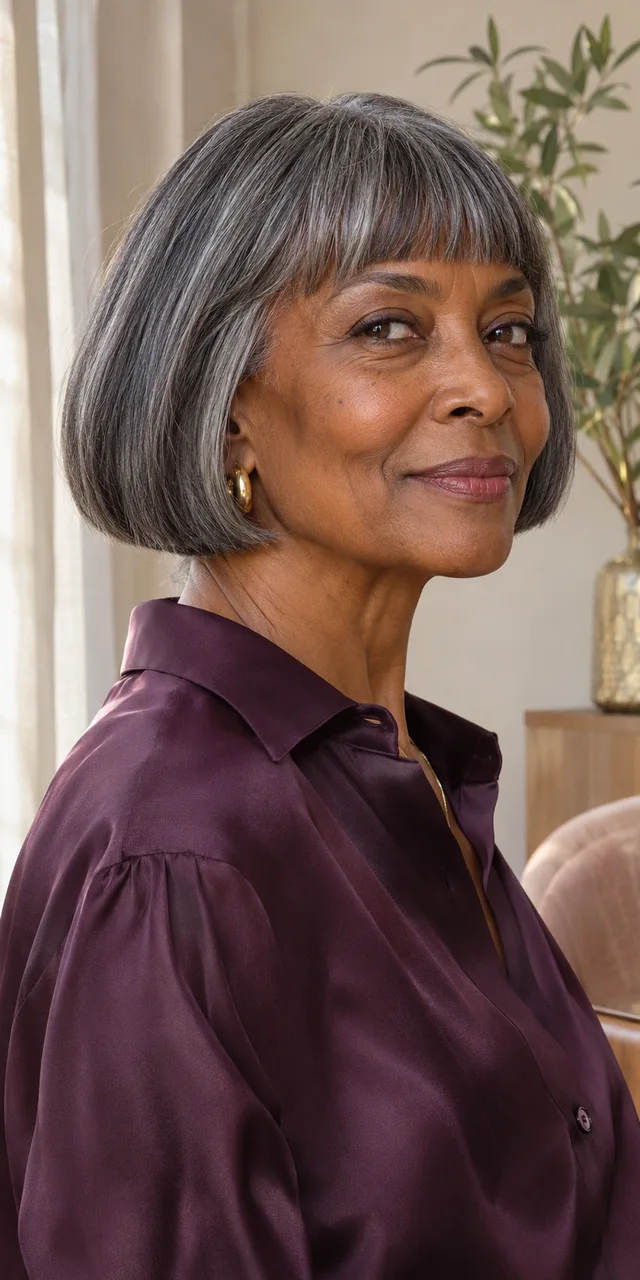
A French bob stops short enough to leave space under the ends, and a small blunt fringe puts a second line above the eyes. It works well if your dry fringe lies where you part it with your fingers.
Ask the stylist to take the fringe from a shallow section. Fine hair can spare fewer strands on the side near the temples, where a deep fringe section can change how solid the front corners look.
10. Jaw bob with a straight brow fringe
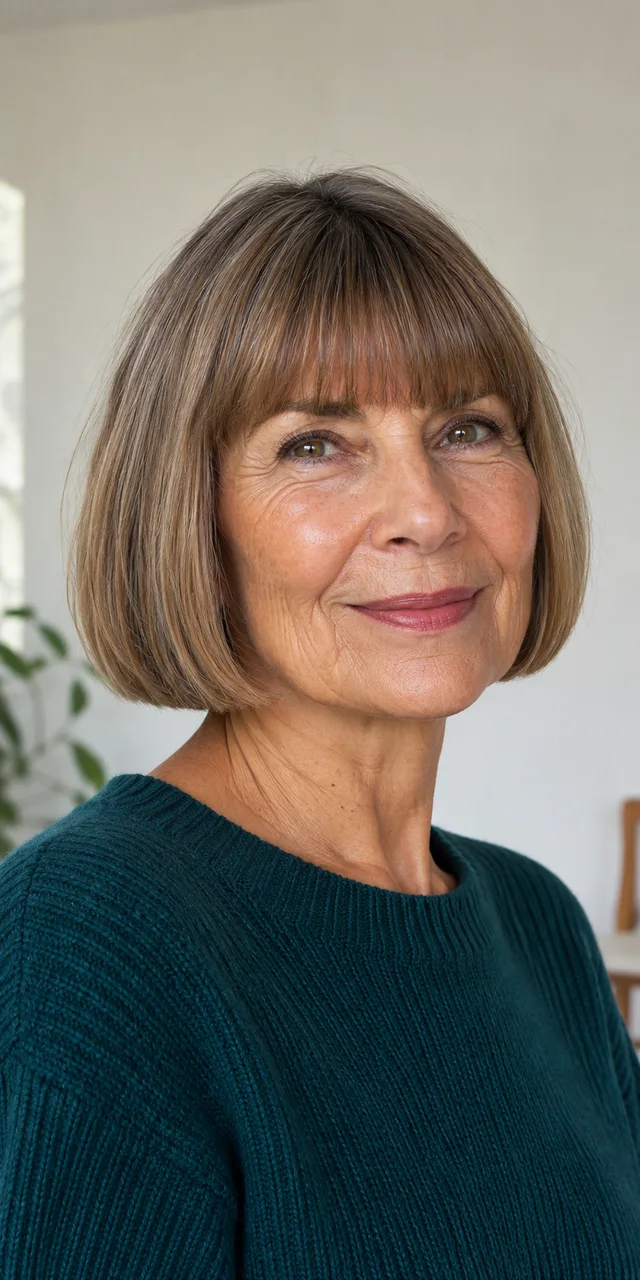
A straight line at brow level can balance the strong edge of a jaw bob. If your front hairline lifts, the fringe may dry at a different height across the forehead.
Cut the last bit dry. Take your glasses to the chair and see where the bangs land after you put them back on. Leave enough space for the edges to move without catching on the frames.
11. Blunt bob with split bangs
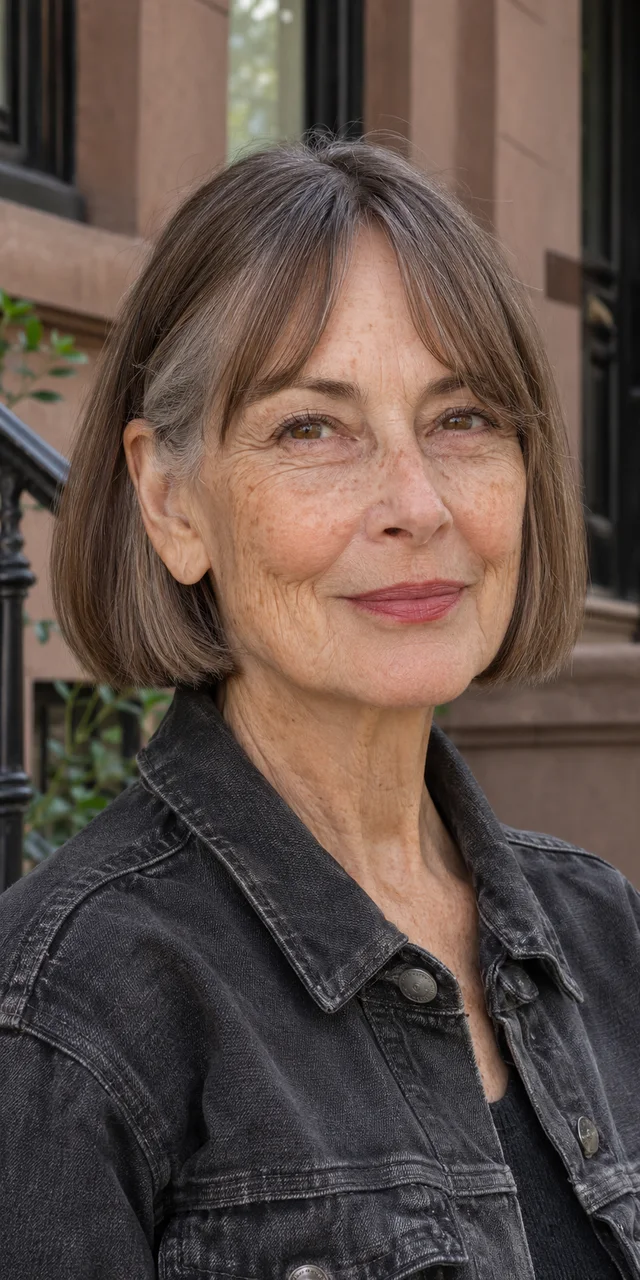
A blunt bob can carry split bangs without losing the uninterrupted line at the bottom. Keep the shorter pieces near the middle and save enough length to push the corners aside.
This works best if your front already parts where you want the opening. If it splits farther over, have the stylist test the part with the hair dry so the two sides fall where you expect them to.
Check the perimeter before your stylist takes more off
- Bring it forward
- Pull the ends over a dark cape so you can see where they thin out.
- Let it fall
- Shake out the front pieces and see which ones reach the baseline.
- Look dry
- Ask your stylist to check the bottom line after drying, especially if one side has a bend.
12. Blunt bob with wispy fringe
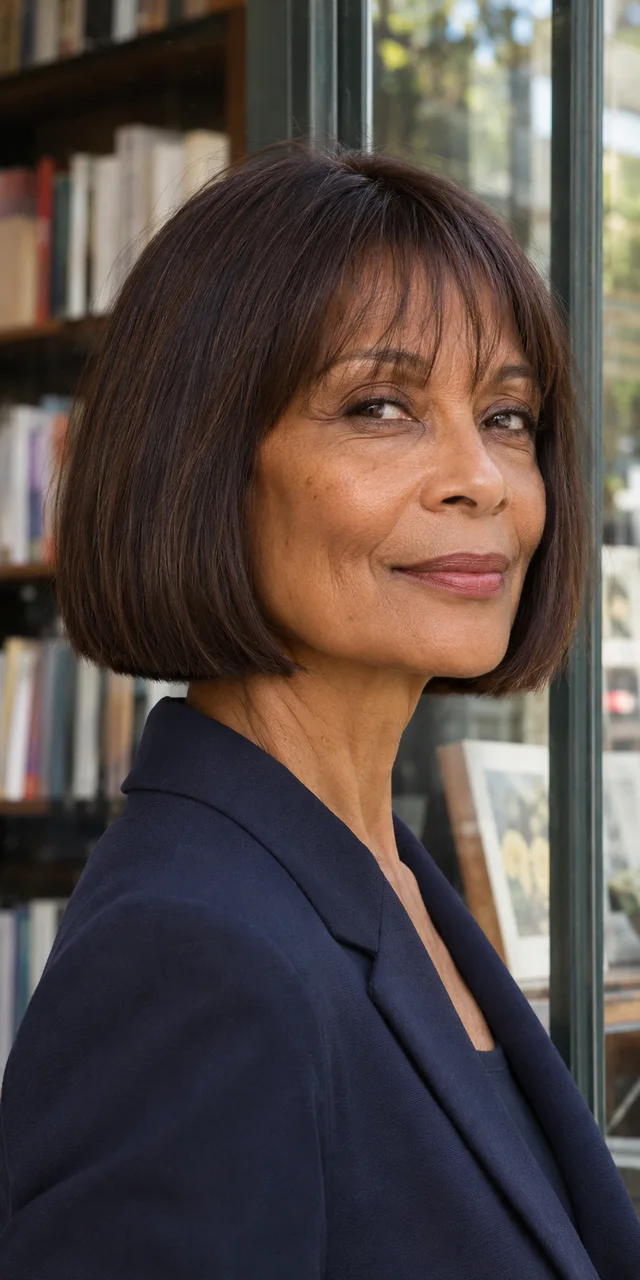
Thin bangs let some forehead show while the bob keeps its weight around the jaw. Start with a small triangle of hair at the front so the temple area can retain its length.
Ask your stylist to show you how the fringe falls without product. Fine sections clump if you coat them in leave-in cream. Use clean fingertips and a dab of water to reset the roots if they separate.
13. Blunt cut with a sweeping side fringe
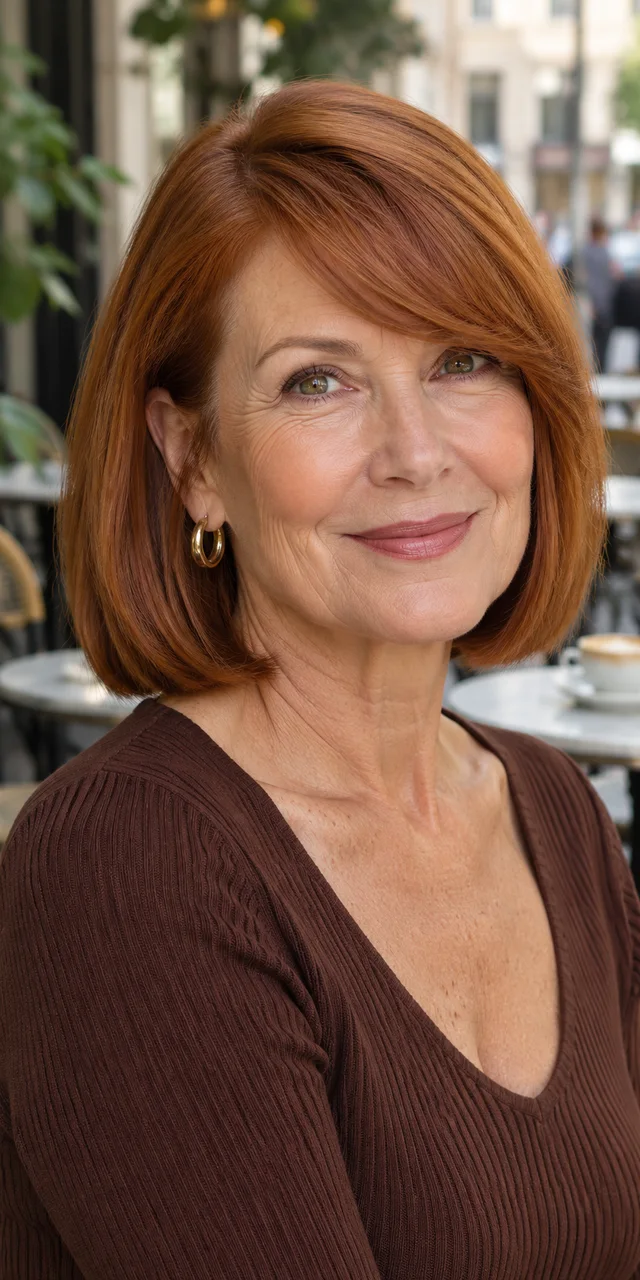
A long side fringe creates a diagonal near the cheek, leaving the rest of the ends straight across. The sweep needs enough length to move away from the eye as you talk or turn your head.
Try the part at several points with the hair dry. A shift of half an inch can change how much hair lies over the forehead. Settle on the part that takes the fewest passes with a comb.
14. Blunt bob with hidden interior layers
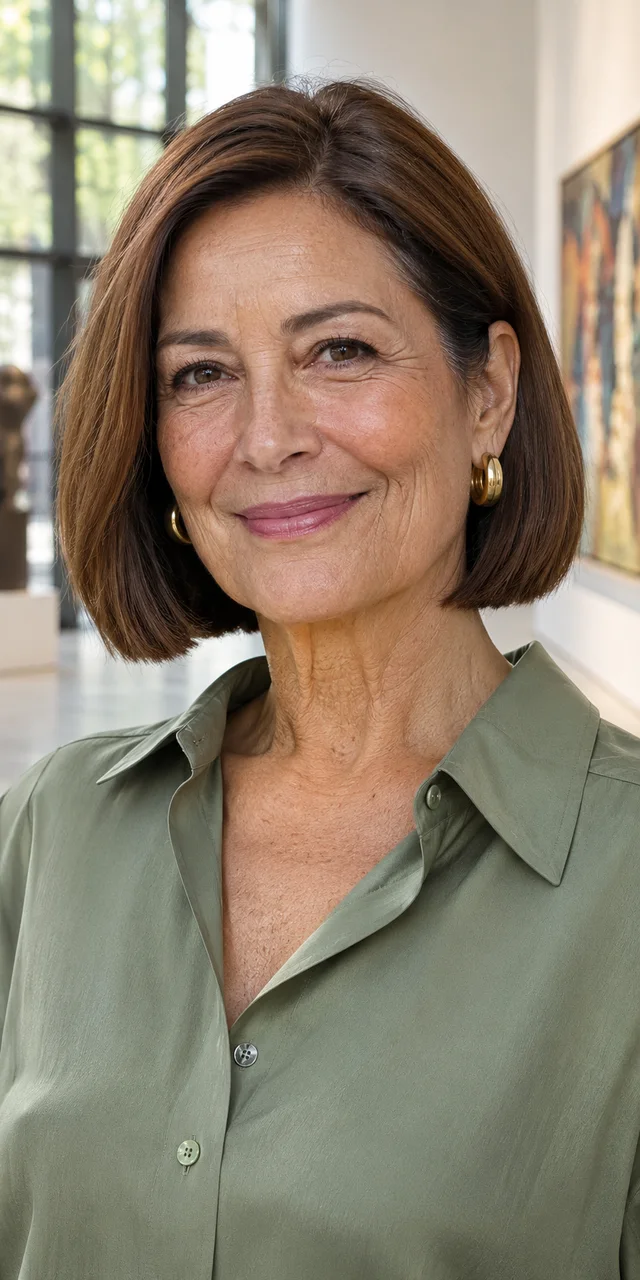
A bob can look one length from the outside and include a few shorter pieces beneath the surface. That change makes sense when you need movement inside the cut and still have enough hair to support the bottom.
Set a boundary with the stylist. Point to the ends you want to keep solid and the section that feels bulky. For other options by density, see the short cuts for women with fine hair.
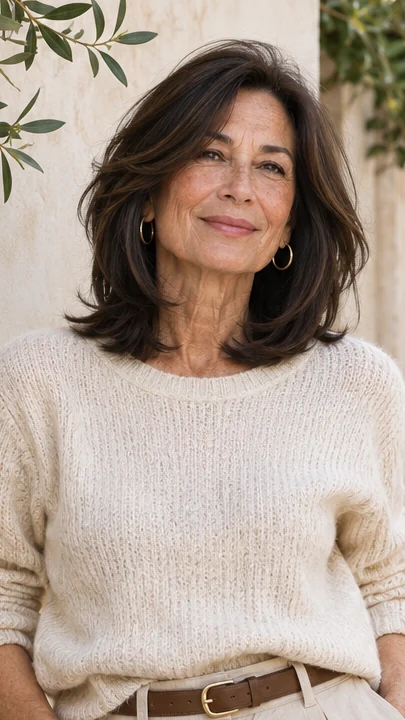
15. Blunt lob with cheekbone framing
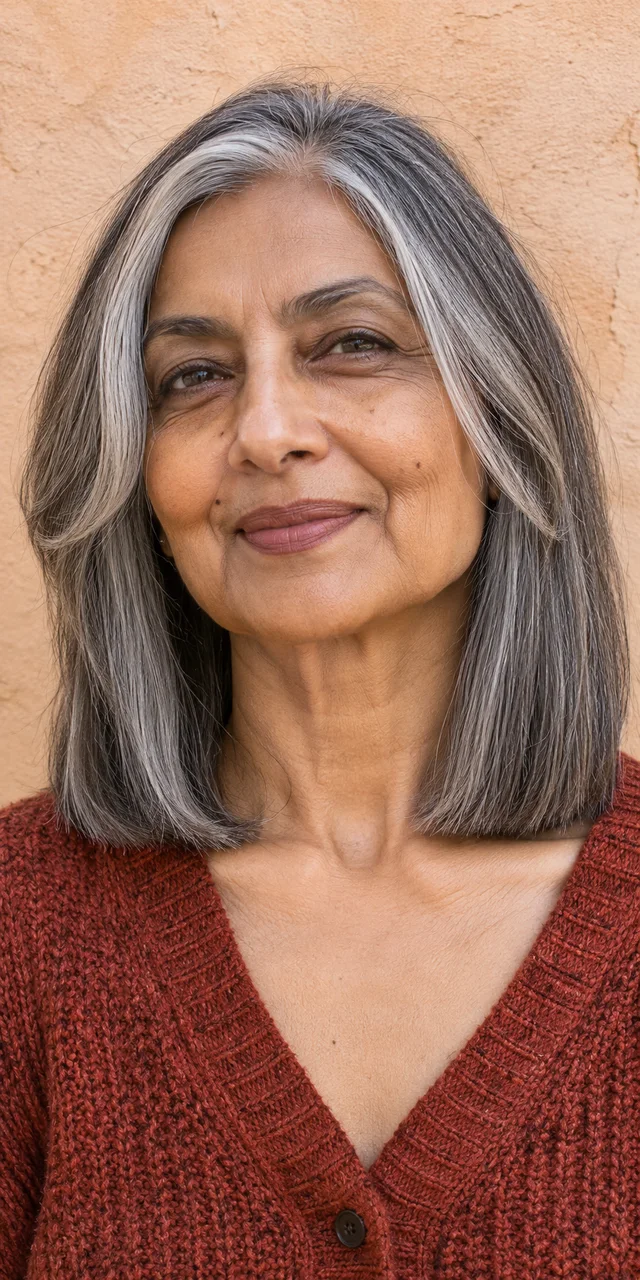
On a collarbone cut, a cheekbone-length section draws attention to the face when the rest falls behind the shoulder. Keeping the face framing small protects the longer edge around the sides.
Leave out one strand first. Before the stylist connects the face frame to the length, hold back the proposed pieces and look at the ends. If the baseline gets thin, bring less hair into that section.
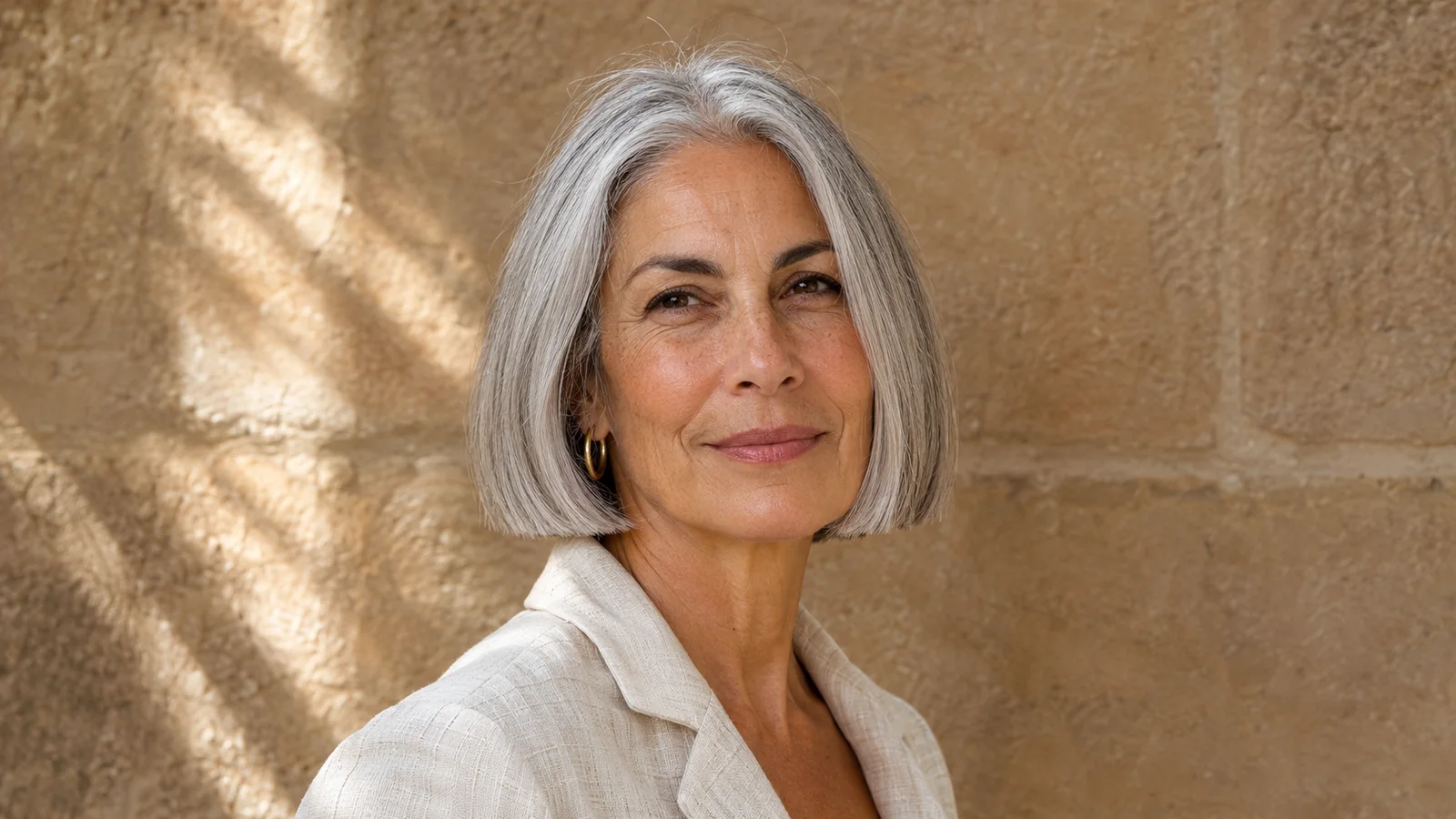
16. One-length blunt bob with a middle part
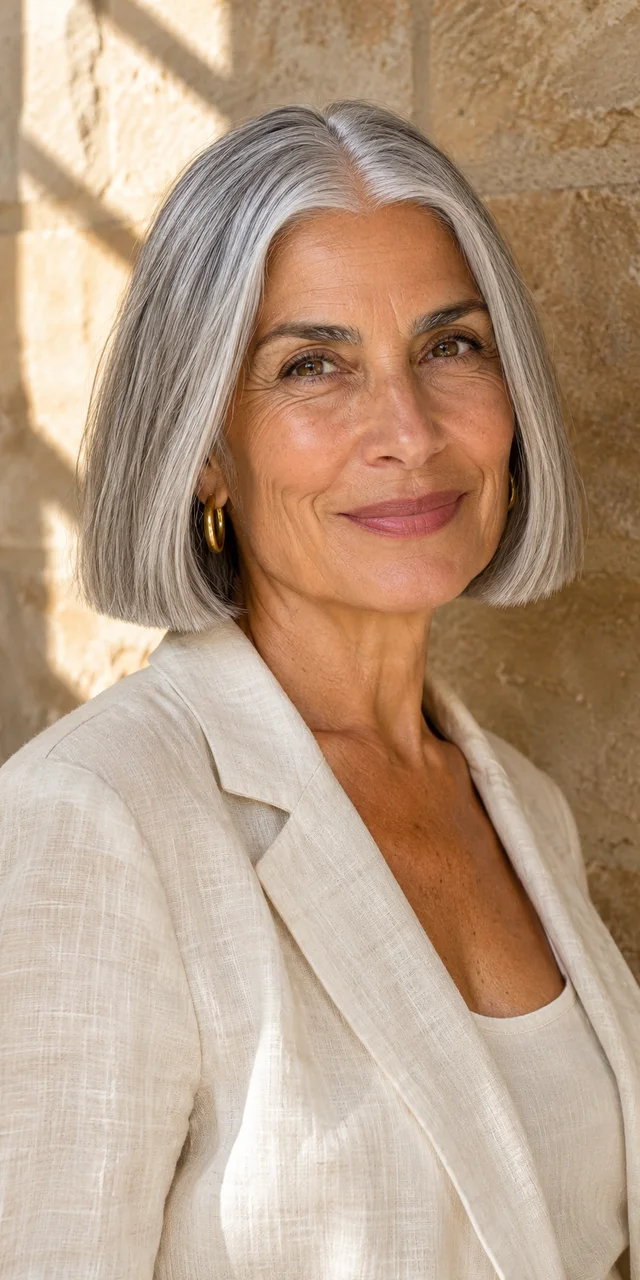
A middle part gives both sides of a straight bob equal space and makes a precise bottom edge easy to spot. If your crown has a strong growth pattern, that straight part may wander as it dries.
Start with a version you can comb into place using your fingers. A softer part near the center leaves more room for your natural fall while keeping the same length along the jaw.
17. Blunt bob with a shallow side part
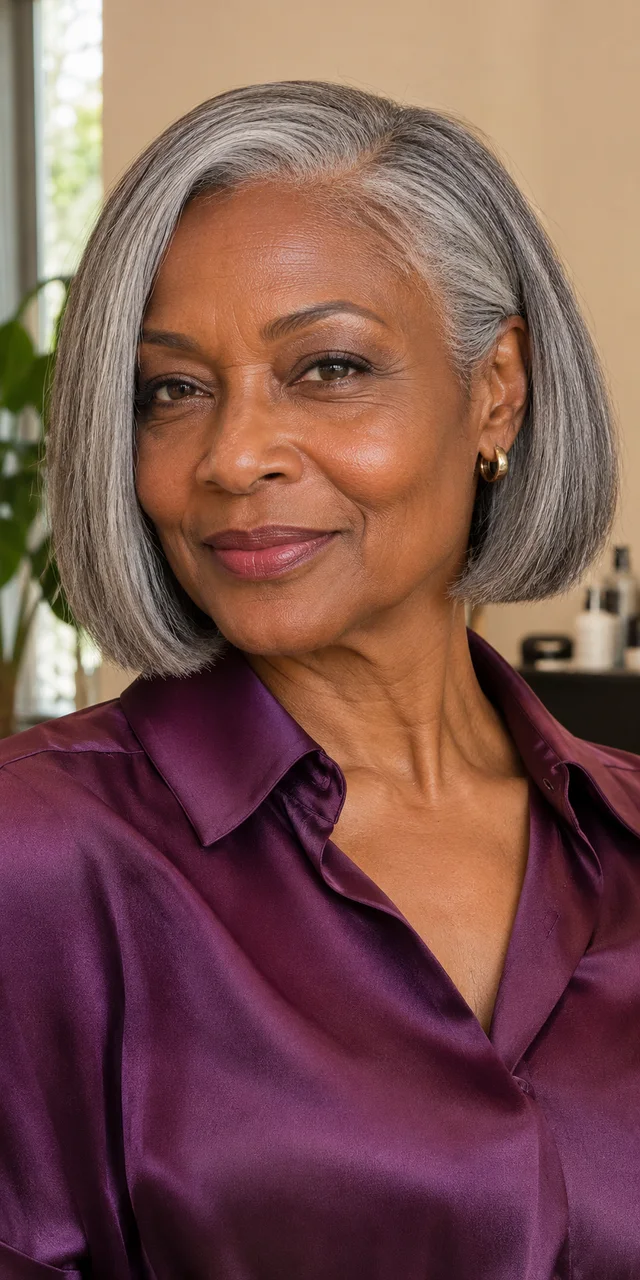
A shallow side part moves enough hair to show the difference without shifting the whole top onto one side. It gives fine hair a small lift where the part bends, especially if the roots can bend in either direction.
Check how much hair you have at each temple. When you tuck the narrower panel, it helps to keep a bit of length above the ear so the part stays out of sight.
18. Tucked blunt bob
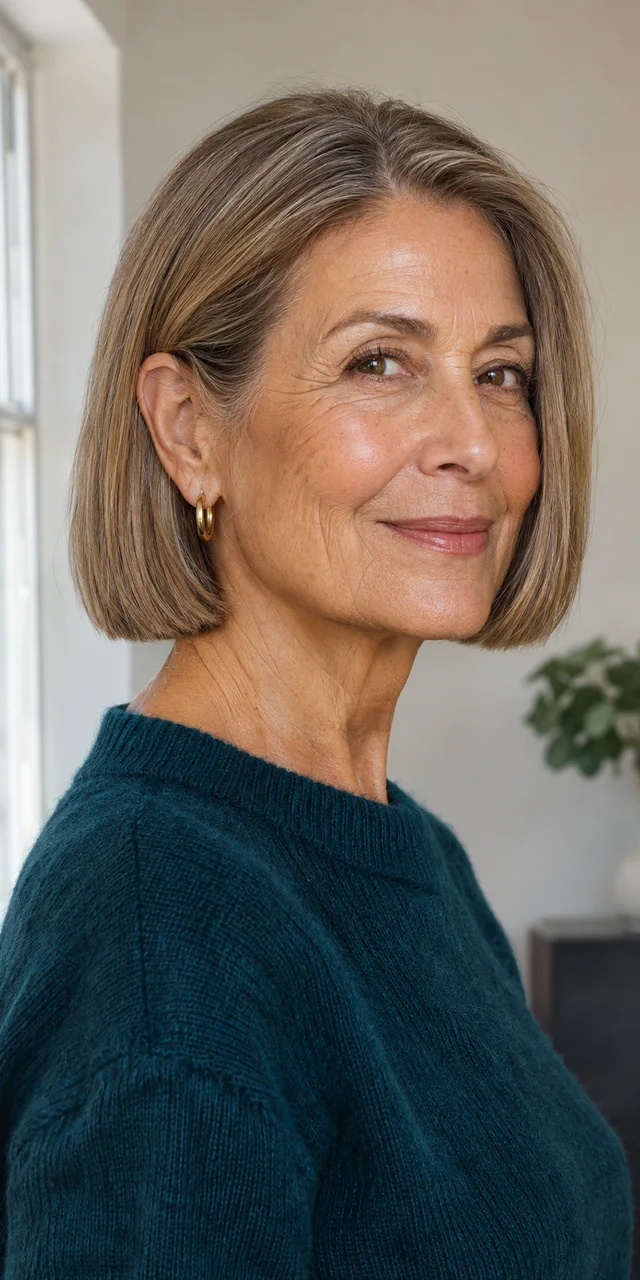
A tucked blunt bob leaves the earring and side of the face in view. The ends should reach far enough beyond the ear to stay put, even if the back remains short.
Put a scarf on, take it off, and check the tuck again before you leave the salon. If the hair comes free, a few extra millimeters at the front can be worth keeping.
19. Blunt bob with a soft inward bend
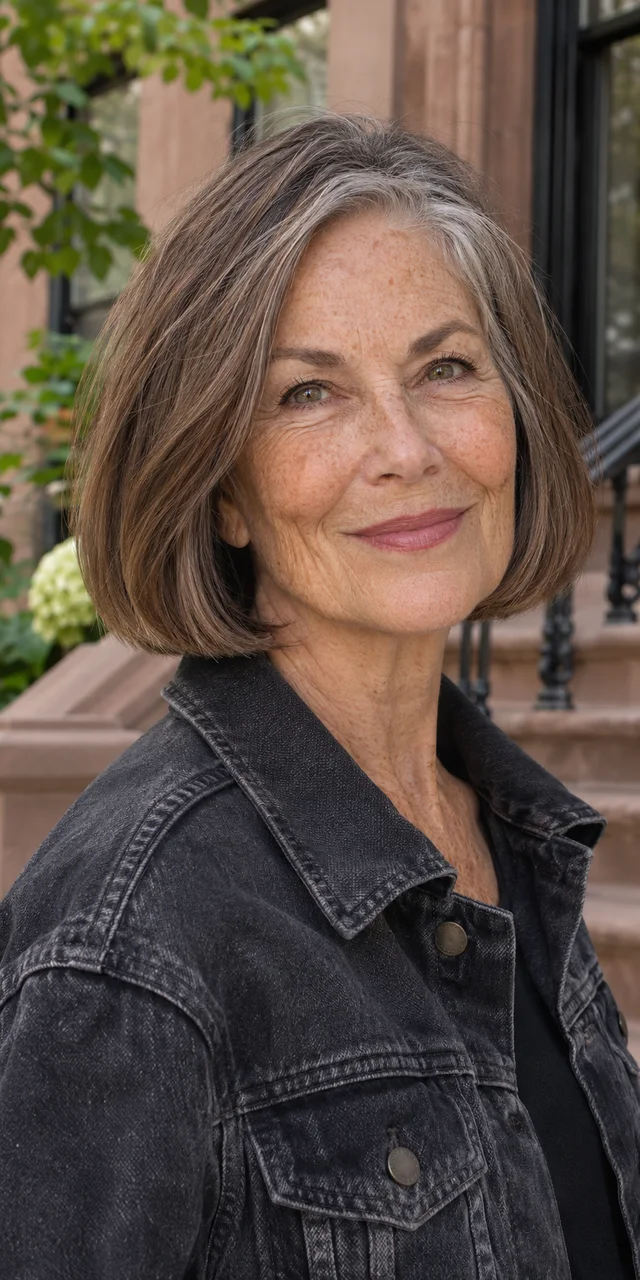
An inward bend makes the bottom look weightier where the tips turn in together. The cut works with a natural curve in straight or loose wavy hair, or a few passes with a brush if you like to style it.
Ask to see the line with a flat finish first. The stylist can keep more length if you want the bent ends to clear your jaw after you put the curve back in.
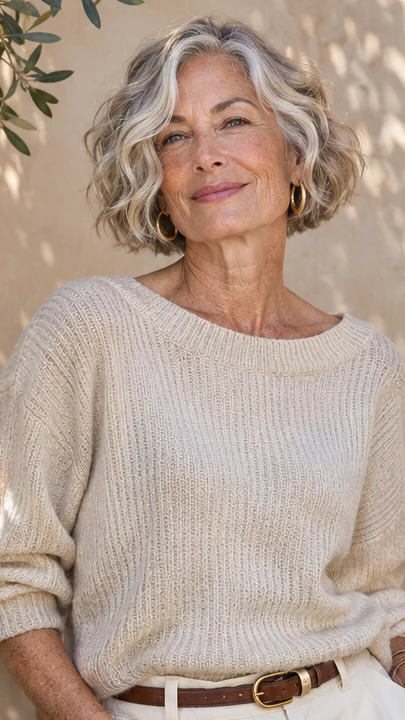
20. Wavy blunt lob
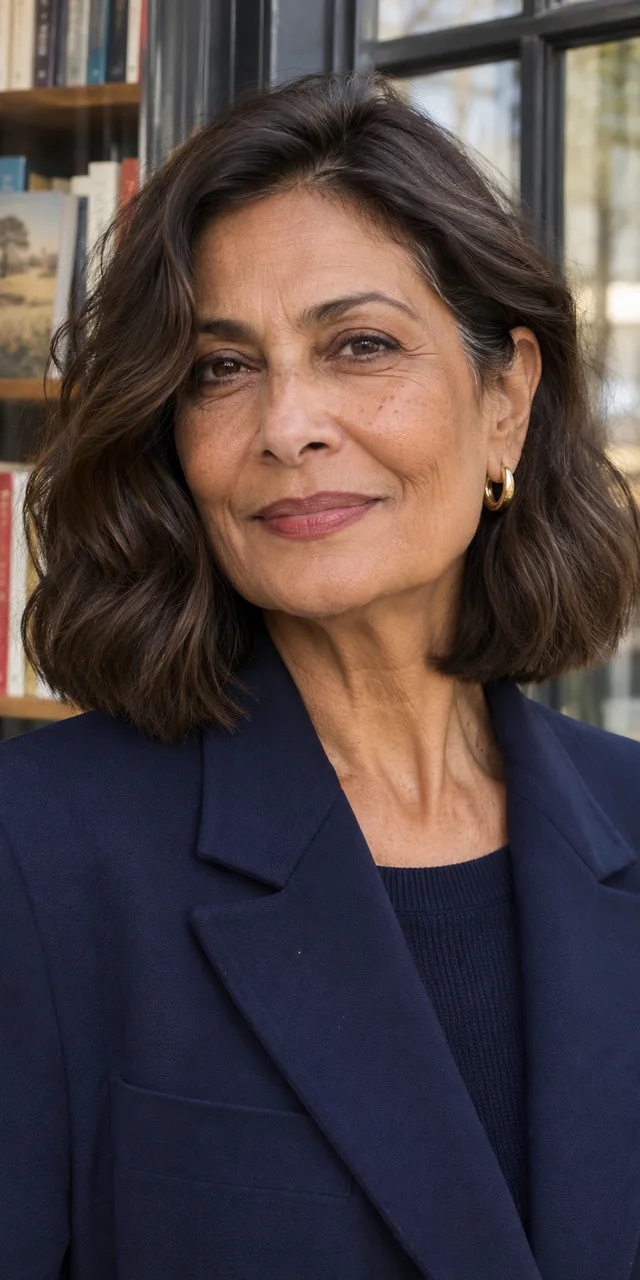
Fine wavy hair can carry a blunt line at the collarbone if the ends dry into broad sections. Irregular waves soften the outline, so the cut has less of a ruler-straight finish than a blowout.
Look at yesterday’s hair. Show your stylist a photo of your waves on the day after washing. Use that picture to pick the dry length. These naturally wavy haircut ideas show other ways to keep a clear outline.
21. Blunt bob with turned-out ends
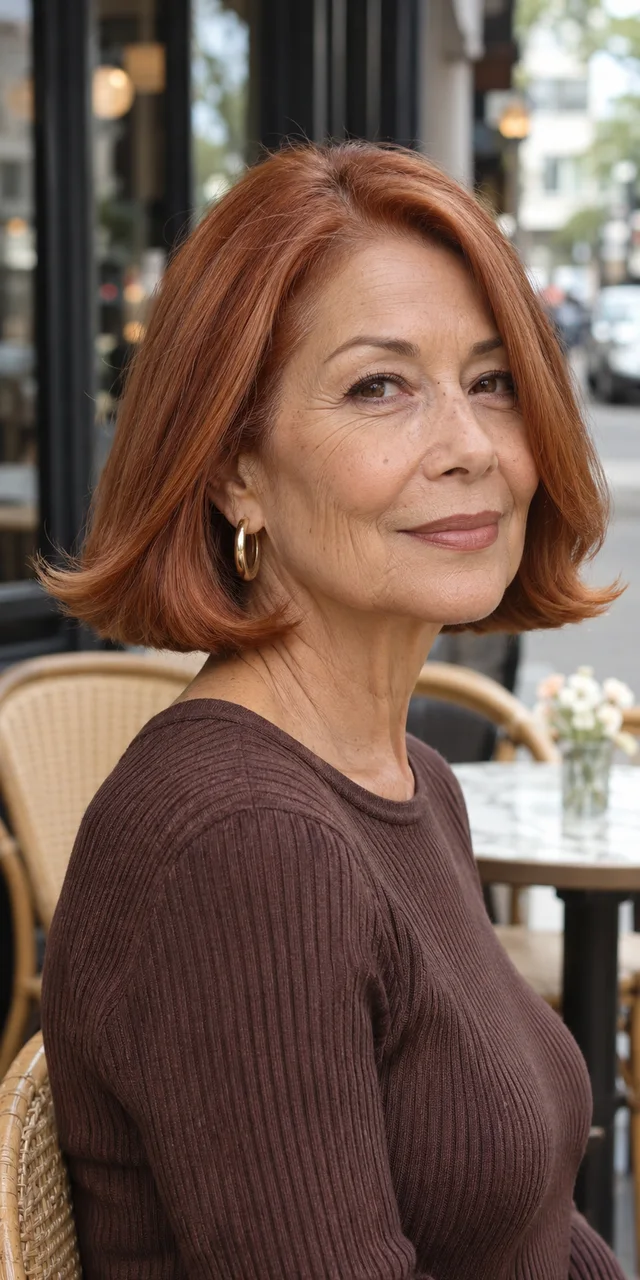
A cut that stops where the shoulders begin may turn out with no help from a brush. If you like that little kick, keep enough weight in the bottom for several ends to turn together.
Test the length in a top with a neckline you wear often. If one side flips more, ask your stylist to look at where the ends meet your shoulders before cutting the two sides to match.
22. Blunt bob with a low undercut
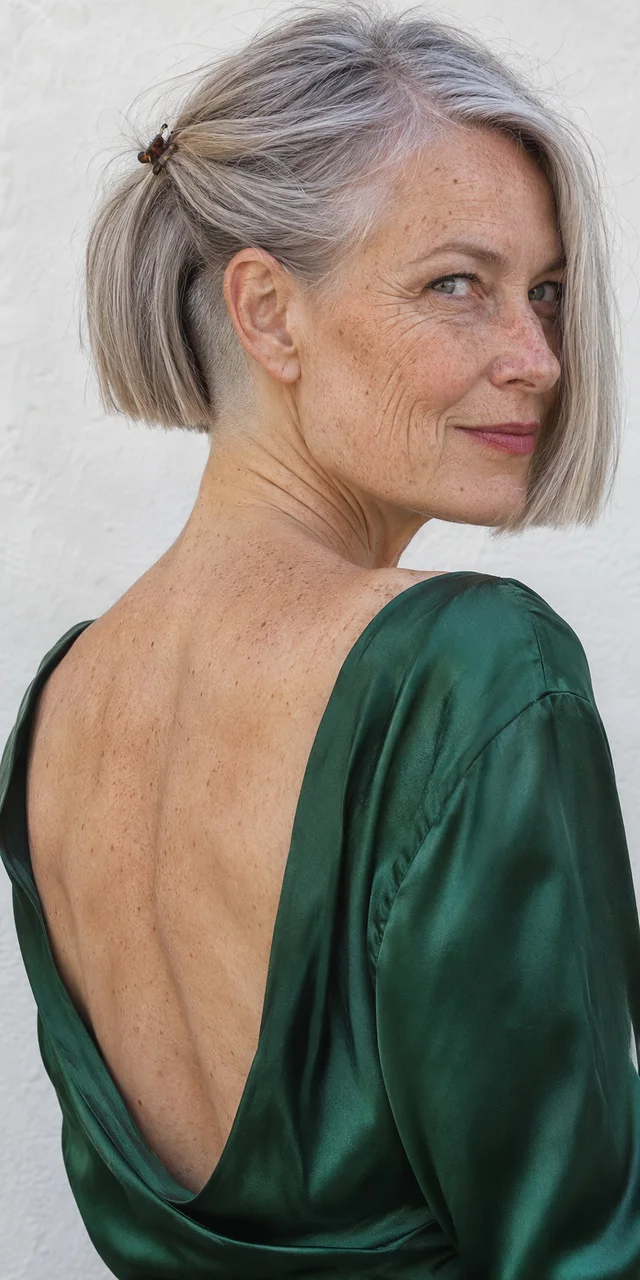
An undercut is worth discussing if you have fine strands and a particularly dense patch in the lower back. A small panel can keep the nape close while the outer layer carries the blunt line.
Have the stylist fold the proposed panel away first. Look through the outer layer in daylight. If it becomes see-through, ask about leaving the underneath in place and changing the nape length instead.
23. Chest-length blunt cut
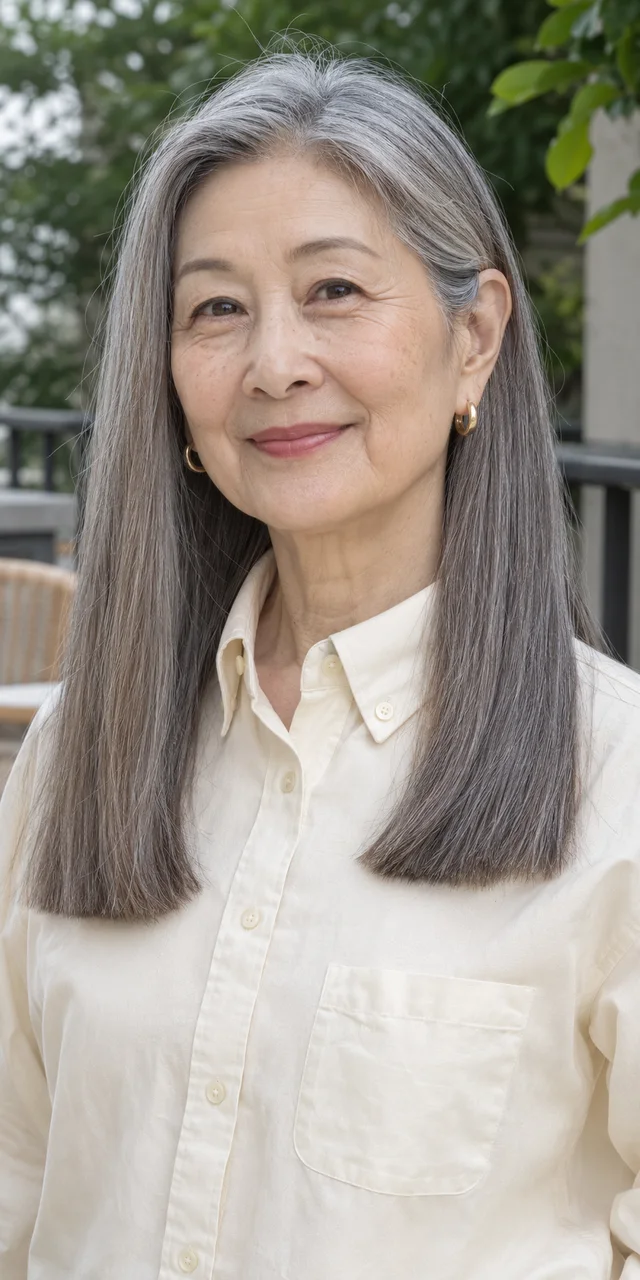
A chest-length cut can still read as blunt when the ends have enough density to meet in one clear line. On fine hair, your best stopping point may sit where the thinnest few inches begin.
Bring the hair forward and mark the lowest point where the ends look solid. If you want to preserve more length for braids or a bun, agree on how much you’re willing to lose before the stylist starts.
A sentence worth taking to the salon
“I want the bottom to look solid and I want to keep enough length to tuck it behind my ears.” Point to the proposed edge on each side. If you want layers, show the area that needs movement before you agree to take weight out.