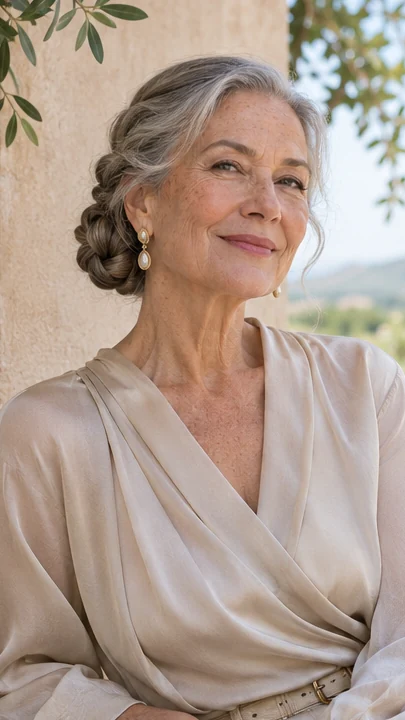
21 Evening Hairstyles for Women Over 60
Start with the hair you have at the end of the afternoon. You can shift the part or pin one side and get out the door without washing the whole head again.
Choose a finish that works with the outfit. A close tuck leaves room for long earrings. A loose low knot lets a jacket collar come off without dragging the hair with it.
1. Brushed-back silver pixie
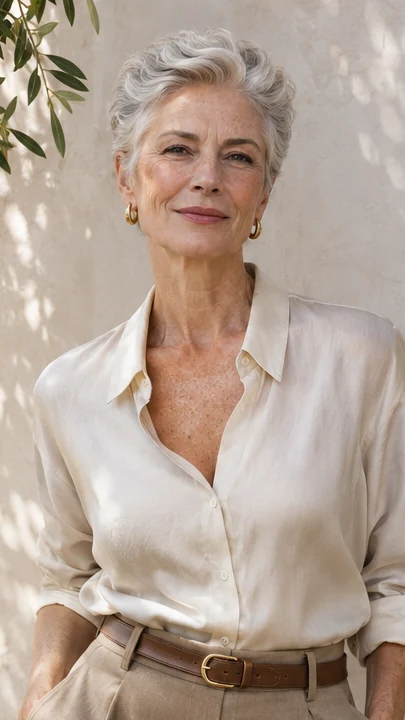
Look for a little lift at the hairline and a close line around the ears. The contrast is what makes this work with a strong collar. If the hair at your forehead falls forward again once it cools, let the shorter pieces settle and brush back only the longer section.
Aim the dryer back from the roots and let the top cool before you touch it. Leave a few strands loose near the ear if you’re wearing small hoops.
2. Sculpted low ponytail
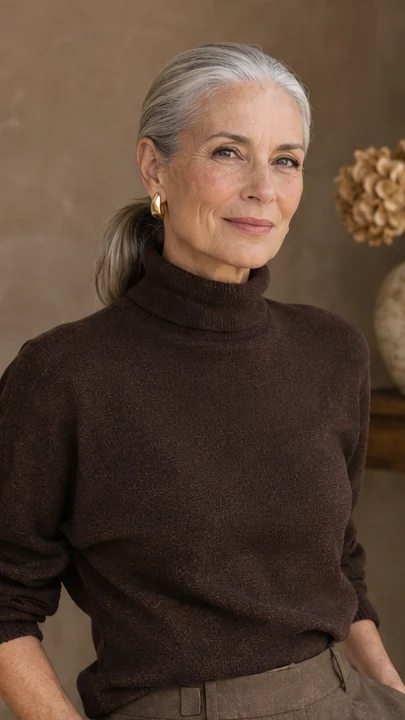
A low ponytail sits close to the head, which can show the neckline of a dress or a jacket. Look at the base from the side before you wrap it. If the front stretches when you smile or turn, lower the tie and let the roots settle.
Pull the length down toward the nape and wrap a narrow section around the tie. Leave a little give at the roots if you’ll be sitting for dinner.
3. Wet-look short bob
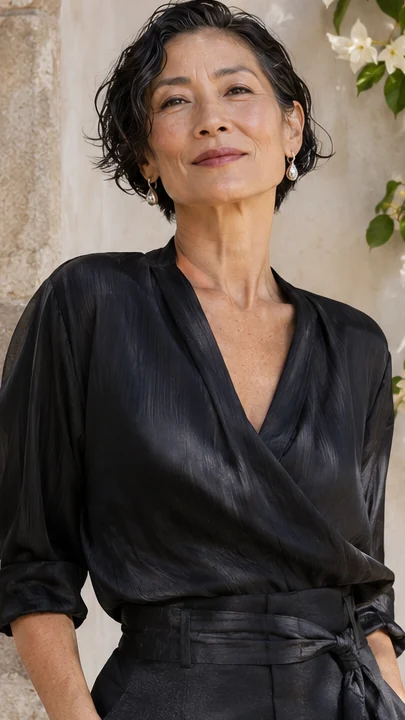
Keep the shine concentrated near the roots so the ends still look like hair when you turn your head. If your bob is fine, put a little gel on your fingers first instead of squeezing it onto your part. Start with the side you’re going to tuck.
Work a little gel into the damp surface and comb the sides into place.
Leave the sheerest ends free if you want them to move.
4. Side-parted loose waves
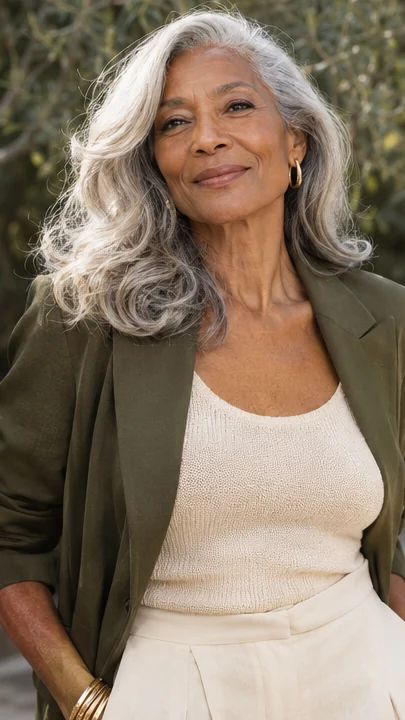
One clear wave beside the face is often enough, particularly if your hair already has a little movement. Check the bend once you’ve put on your earrings. If a long earring catches on the ends, tuck the shorter side and leave the fuller side loose.
Start with a side part that stays in place without pins. Bend a few face pieces away from the cheek and let the straighter ends sit below.
5. Tucked bob with a long earring
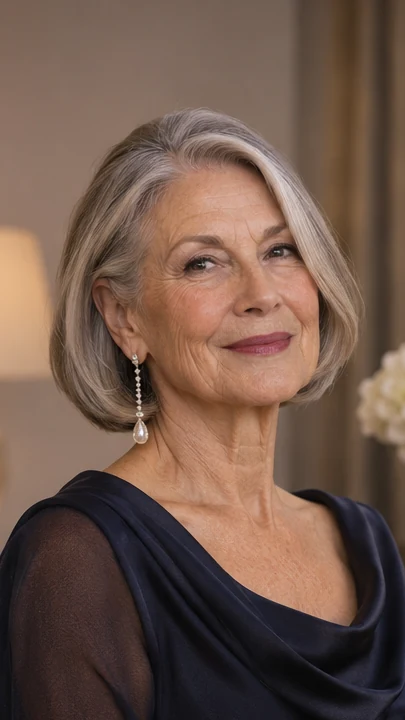
When the tuck stays close, you can see the hem of the bob and the full drop of the earring. Hold the hair with your fingertips and turn toward a mirror before pinning. A side that needs three pins might sit better with a deeper part.
Tuck on the side where you want the jewelry to show. Use a flat pin above the arm of your glasses if a smooth tuck won’t stay.
6. Low knot with two loose curls
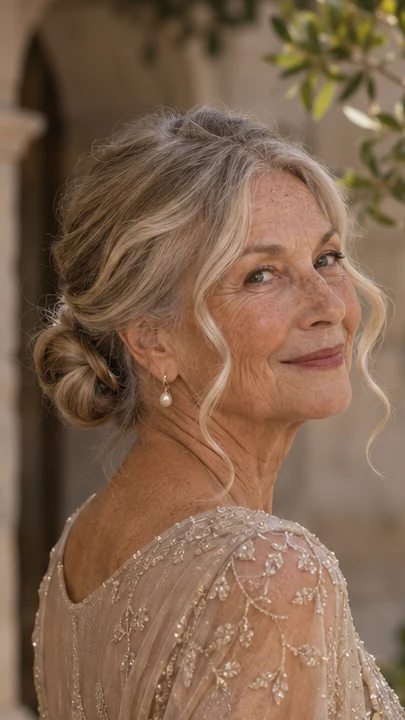
Leave enough slack at the nape for the knot to rest against your neck. The two curls can sit at different heights if that follows the way they dry. Trim the choice down to one loose piece if the other keeps catching in your lipstick or reading glasses.
Pin the length low and leave a curl on either side.
At the door. Check the front with your coat on, then shift any curl that catches on the collar.
7. Short side sweep with a hair comb
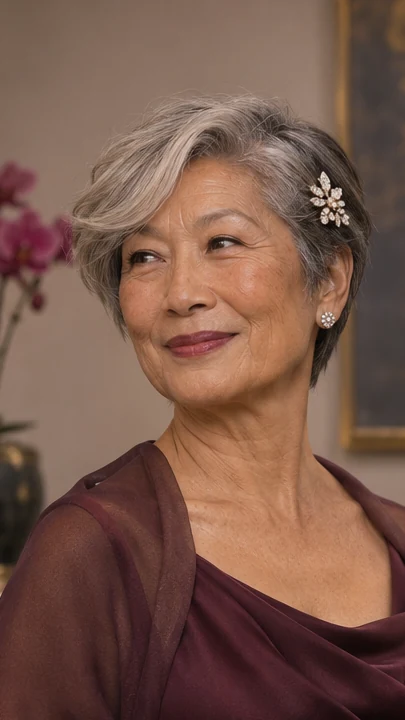
A comb looks like part of the hairstyle when its curve follows the head. Try it a little higher if the short side lies flat at the ear. If you feel the teeth when you lean back in a chair, move it forward before securing the pin.
Put the comb into a section that has enough grip to hold it.
Add one concealed pin if the teeth slide out when you turn.
8. Half-up with a black ribbon
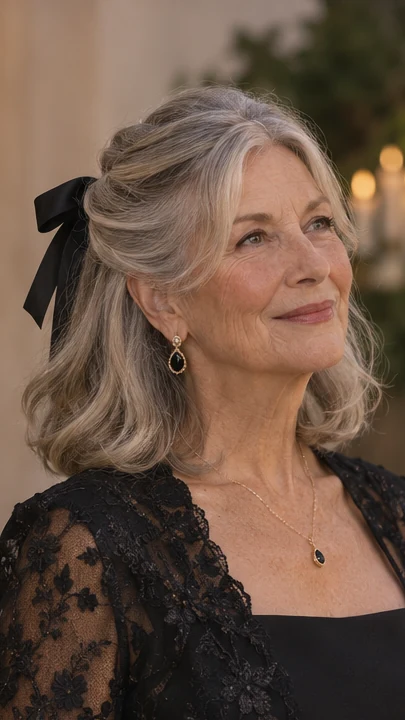
Let the ribbon fall just below the tie so it moves when you turn. A bow at the back reads as a detail, while one high on the crown can dominate a short cut. Check the back with your phone before trimming the ribbon tails.
Choose a tie small enough for the half-up section. The ribbon can cover it without carrying the weight of the hair.
9. Curly bob with a softer part
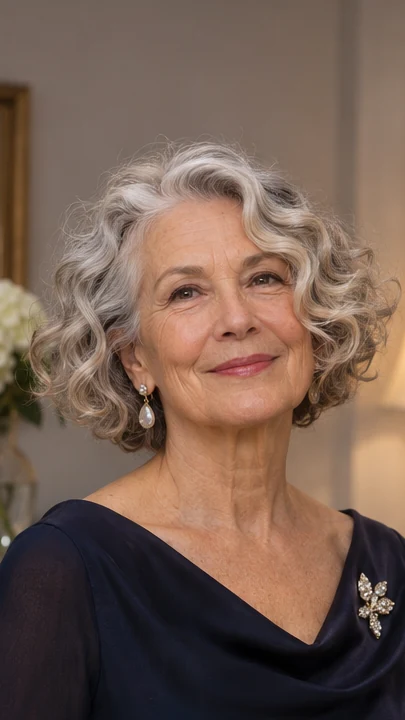
A softer part lets the curl groups fall where they already have space. If you’re restyling after work, wet the roots at the part and leave the lower curls alone. Give the new part a minute to dry before clipping the side or putting a jacket on.
Set the part with damp fingers and pick one side to tuck. Leave the ends loose so the curls can hold their shape as you move.
10. High coil puff with gold hoops
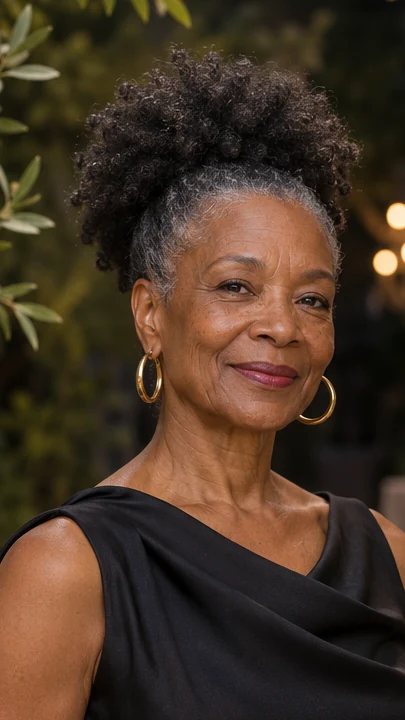
The hoops show up best if the puff sits high enough to leave a clear space around the sides. Move the band forward a touch if it presses at the back. The shape can keep a little softness at the hairline and still read clearly from the front.
Use a band that feels comfortable and let the front stay soft. Choose hoops you can see below the puff from the front.
11. Loose French roll
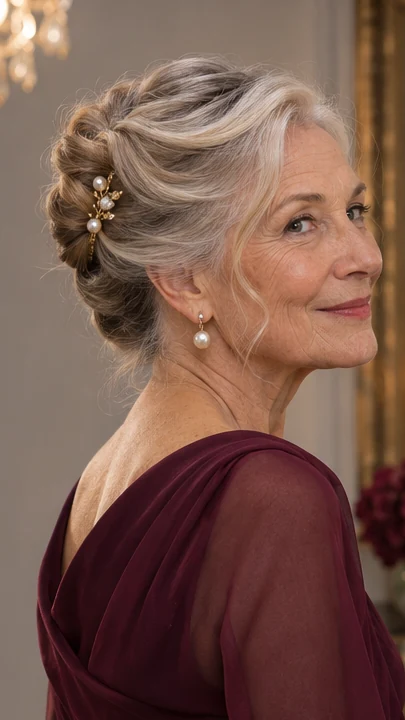
Look at the roll in a side mirror before adding another pin. If the fold stands off the head, secure the middle first and let the upper edge stay loose. A short strand by the ear can be left free if it doesn’t reach the seam.
Fold the length inward and use pins along the fold.
Brush cue. Keep the ends tucked if you want a clean neckline with an open back.
12. Collarbone lob with outward ends
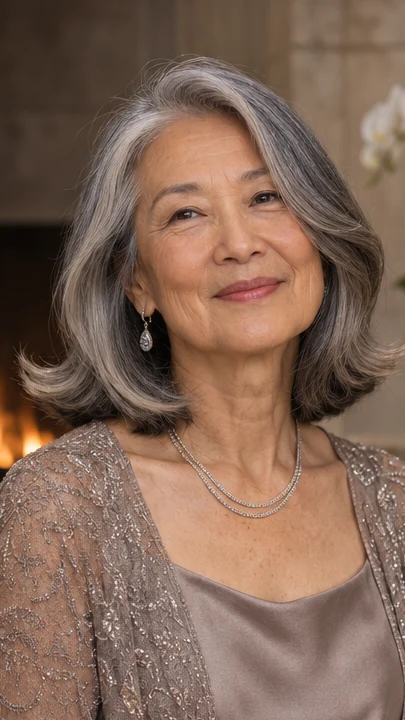
A visible turn at the hem works with a sharp shoulder line. Try it over the top you plan to wear. If the collar already pushes the ends up, you may only need to touch up one or two pieces instead of brushing the whole bottom out.
Turn the last inch away from the neck. A wider brush keeps the bend from becoming a curl that bumps against a scarf.
13. Low side ponytail
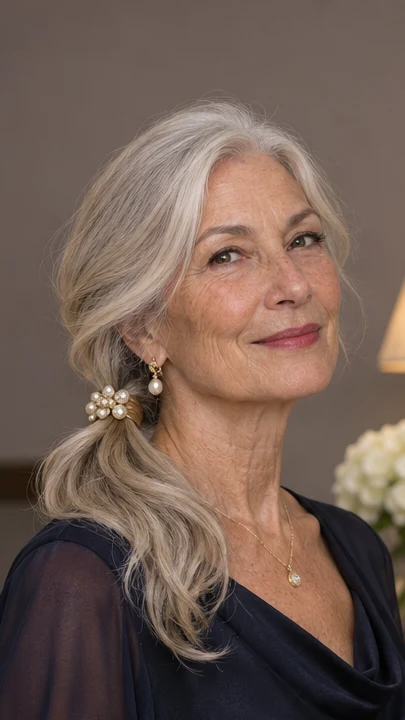
Find the side that keeps the ponytail clear of a coat lapel. Wear it forward if the ends sit neatly on the shoulder. If the back pulls as you look over the other shoulder, loosen the tie and let the hair gather a little lower.
Gather the hair closer to one ear and let it sit over the shoulder. Choose the side that keeps your favorite earring visible.
14. Pixie with a narrow satin band
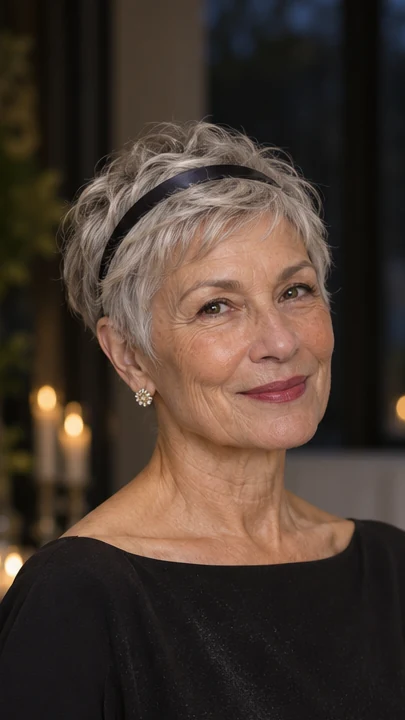
Choose a band narrow enough to show the cut behind it. If you want a soft front, let the fringe sit loose across the forehead after the band goes on. Take it out and reset it slightly farther back if it pushes the ends into your eyes.
Keep the band behind the line where the fringe begins. Move it if it presses against your glasses, especially behind the ears.
15. Short shag with defined pieces
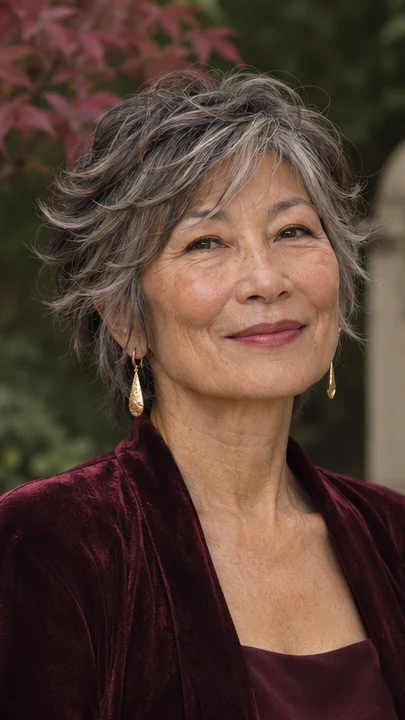
Use the shag’s existing layers to decide which two or three pieces you want to see near the eye. Keep product away from the roots unless a section needs help staying put. Too much hold can turn soft ends into a hard edge by the ear.
Separate some ends beside the temples with a small amount of paste.
Leave the crown alone once it has cooled so the soft bend stays open.
16. Waves pinned above one temple
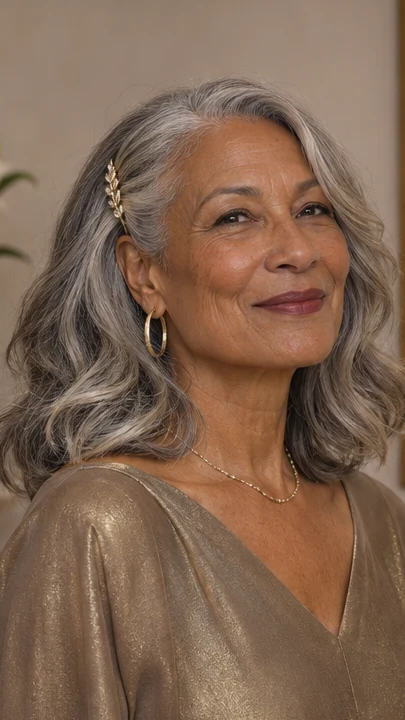
Look for the smallest section you can pin and still see the part. Add the pin after the wave has cooled so it won’t flatten a wet or warm bend. Try the front view in a mirror before moving it farther back into the hair.
Use a pin that sits flat against the hair and choose a section you can see from the front. Lower is better if the top slips when you dance.
17. Medium hair with a loose loop bun
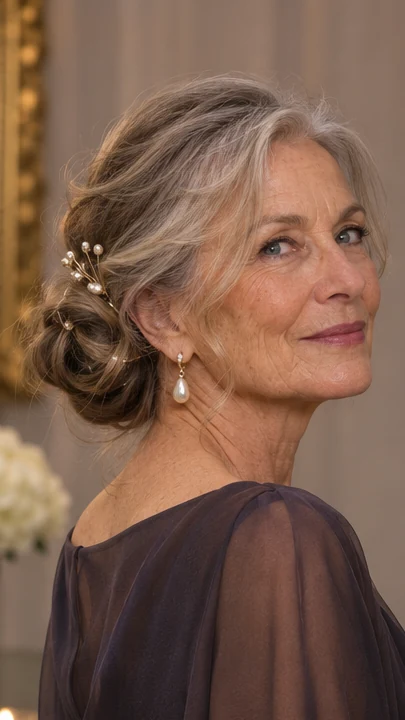
A loop at the nape gives the side view more shape than a tie alone. Gather the hair where you’ll still have room to turn inside your coat collar. If a short layer slips out, tuck it under the loop instead of tightening the whole base.
Pull the ends partly through a low tie and fold them toward the base.
Five-minute fix. Pin where the loop moves, keeping the sides soft.
18. Soft bob with a brushed-forward fringe
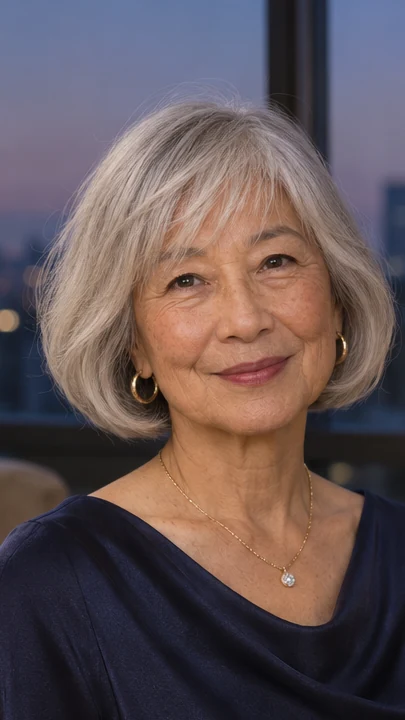
A forward fringe puts most of the focus above the eyes, especially with a short, quiet bob. Check it dry with your everyday frames. A couple of longer strands can travel sideways, giving the rest of the fringe room to sit above the top rim.
Set the fringe before getting dressed. Comb it forward while damp and let it fall slightly across the brow.
19. Full curls with a flat side clip
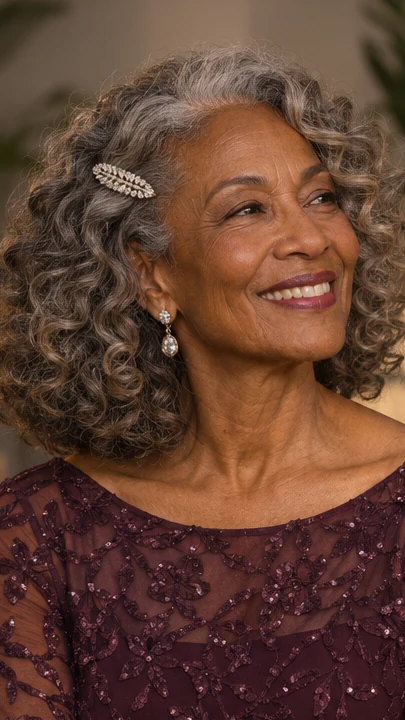
Choose a clip that can hold a few curls without crushing the whole side. Angle it above an earring if you want both details to show. If a curl pops back between the clip and the part, leave it loose if it falls where you like.
Place the clip over a small section instead of flattening a whole side.
Let the curls move on the opposite side.
20. Low braid under a jacket collar
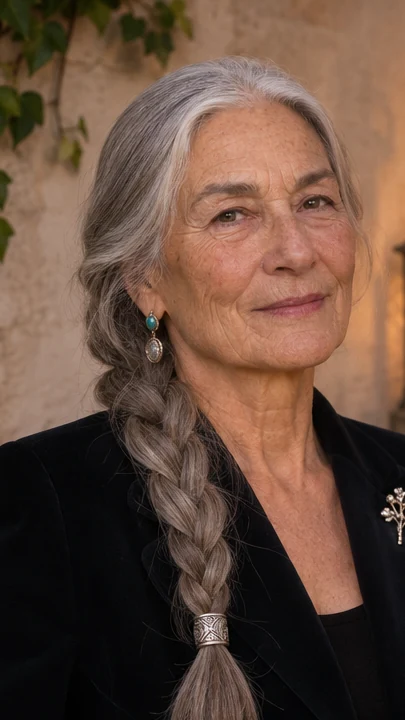
A low braid reads against a plain coat or jacket, particularly when it rests across the lapel. Keep the tie above the point where the ends start to thin. If the braid slides behind the shoulder as you walk, guide it forward before fastening the jacket.
Keep the braid above the collar or bring it forward over a shoulder. A cloth-covered tie keeps the eye on the braid itself.
21. Side-parted crop with long loose ends
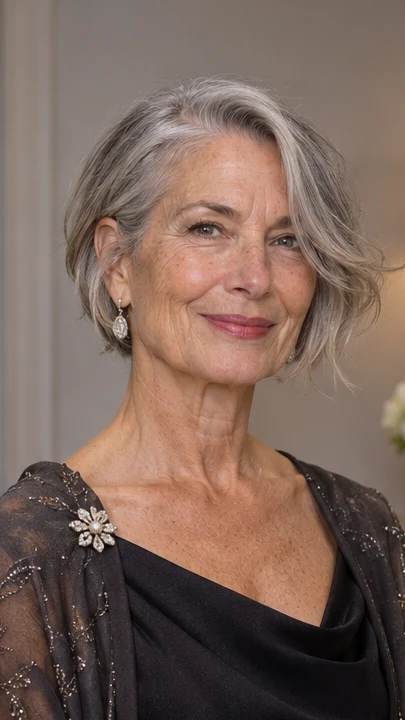
The long ends of a short crop can brush the cheek while the other side stays clear for an earring. Choose that side when you set the part. If the shape drops over your eye, wet the roots and change the direction before reaching for more product.
Comb the longer side over once and leave it. If the ends separate at the cheek, use them to show the cut instead of brushing them into one piece.
For more ideas, see the guide to short haircuts for fine hair.
The portraits are AI-generated illustrations of the featured looks.