21 Chin-Length Bobs With a Side Part Over 60
Move your part the width of a fingertip and watch what happens to a chin-length bob. The front might fall toward your eye or shift just far enough for a tuck to hold. A comb can show you those differences before a salon appointment.
These chin-length bobs with a side part over 60 give you a way to compare the amount of sweep and the weight at the jaw. If a deep part falls back on its own, work with where your hair separates dry.
1. Chin bob with a shallow side part
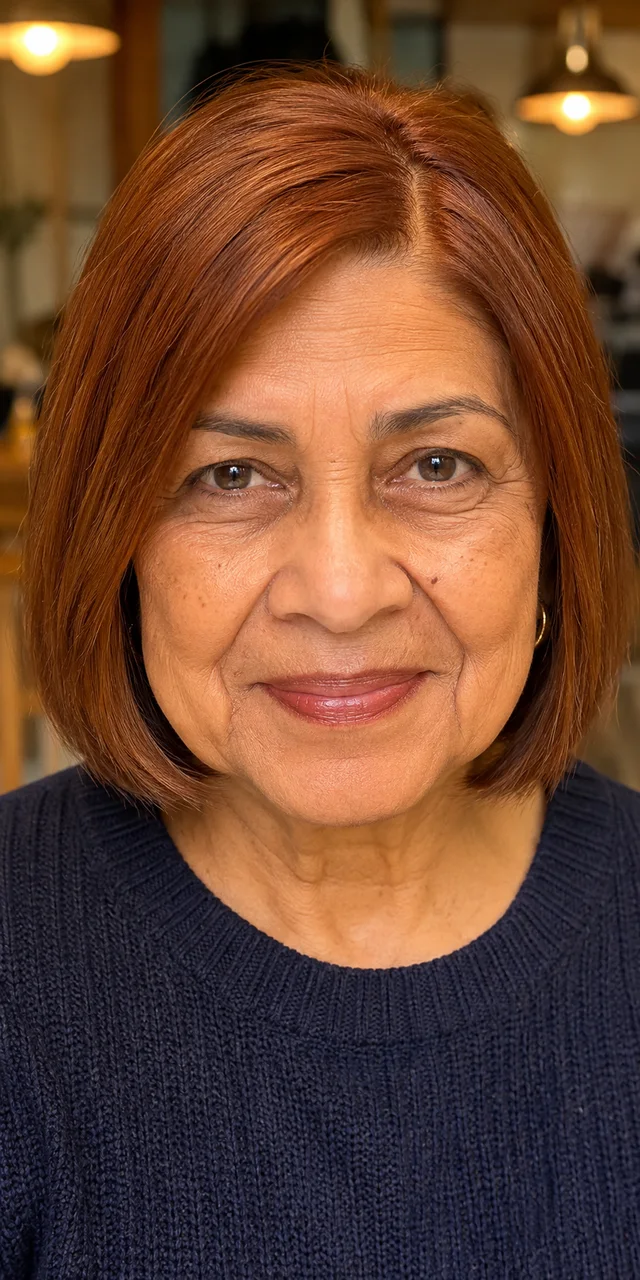
A shallow part shifts only a little hair across the front. You can keep the bob even around the jaw and still see a bit of lift where the part starts.
Try this one on dry hair by moving your comb the width of a fingertip. If the part settles in that position on its own, ask your stylist to check the baseline while you wear it there.
2. Chin bob with a deep side part

A deep side part gives you a larger panel that can fall over one brow. Let the ends stop at the chin so the full side has enough hair to show the sweep in profile.
If the roots are strong at the front, set the part while the roots are damp. Check the view. Wear it for a while before booking the cut to see if a strand falls into your eye when you look down.
3. Chin bob with a diagonal part
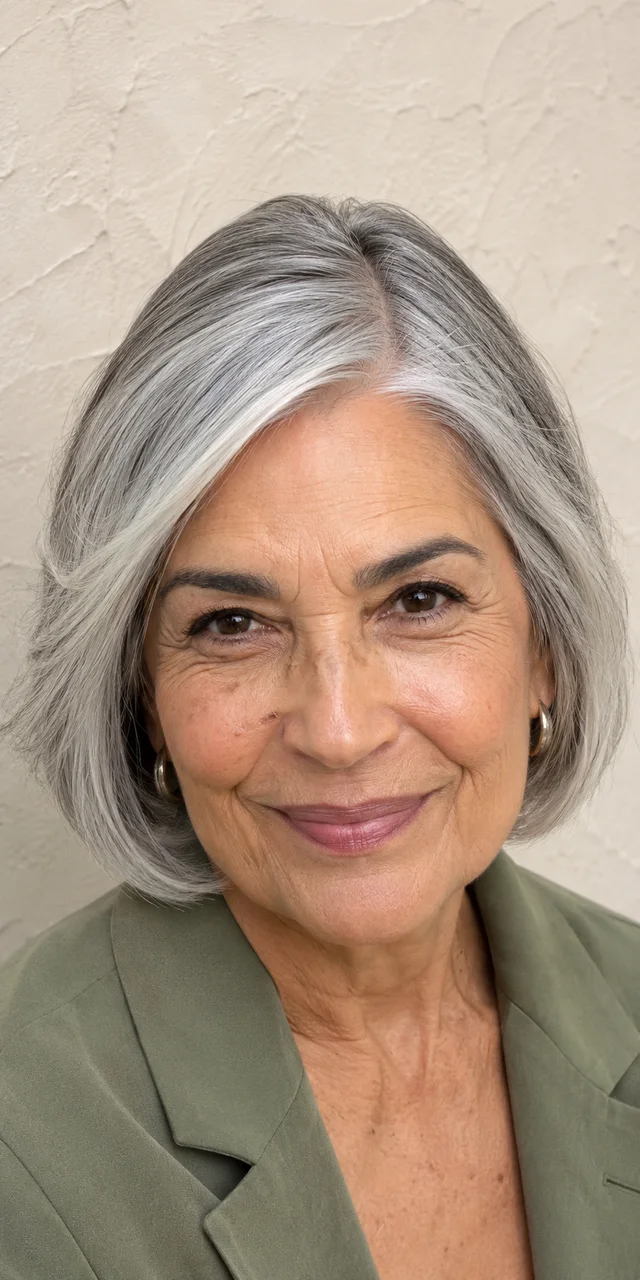
Angle the part back toward the crown if you like a side sweep with a little more balance across the top. The front starts farther out, and the diagonal leaves enough hair behind it to cover the thinner side.
Use the tail of a comb on dry roots to try the line. If you like how the back sits, ask your stylist to cut with that diagonal in place.
Check the line from above with your phone camera. A diagonal can look like a straight side part from the front while leaving more coverage at the crown.
4. Chin bob with a side fringe

A side fringe can sweep from just above the brow out toward the temple while the rest stays at chin level. Ask for a gentle angle across the fringe if you want it to sit close to the face.
Pull it down before you decide where the lowest point should end. If you wear frames, use the glasses-friendly short hair guide to compare which temple pieces can tuck.
5. Chin bob with a short off-center fringe
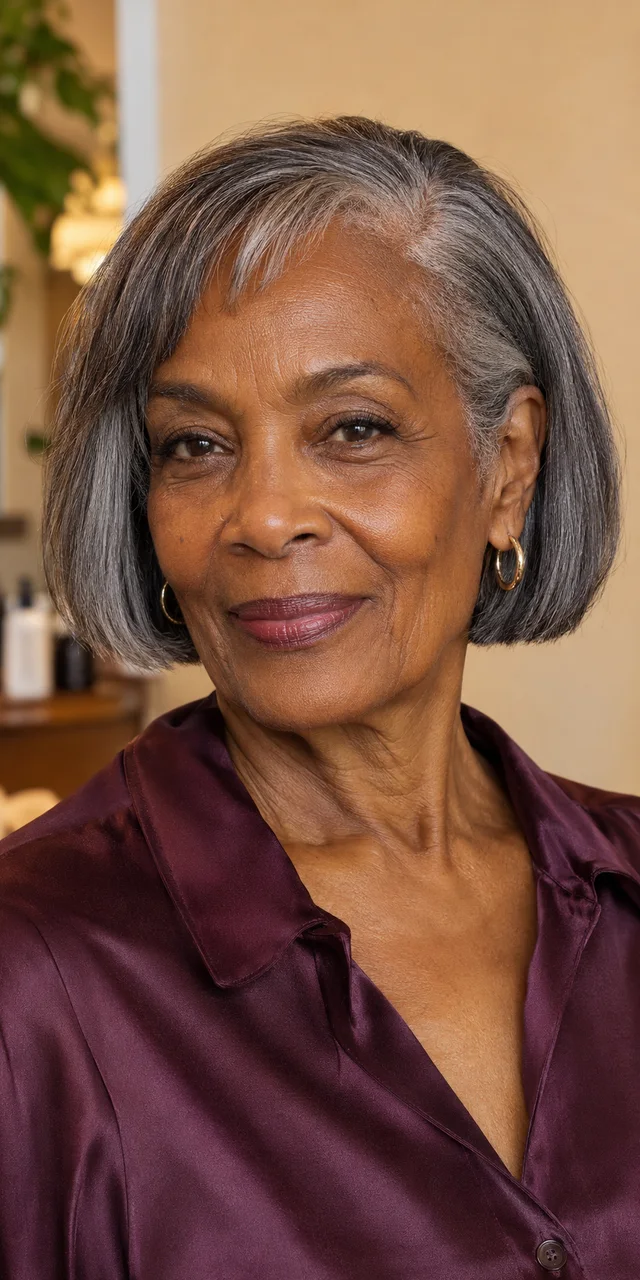
An off-center fringe can take just a narrow section from the front. It adds softness through the forehead and leaves enough hair to keep the rest of the bob even at the chin.
If your hairline pushes one corner up, give that corner a dry check. Ask the stylist to leave the short pieces a little longer until they see where they rest.
6. Chin bob with a long cheekbone sweep

A long sweep can end near the cheekbone and still leave a second line at the jaw. The ends brush away from the eye and keep the part visible as you turn.
If the front is fine, ask to keep the sweep to a narrow section. Before the stylist cuts, hold it aside to see where the rest of the ends fall.
7. One-ear tuck with a side part

A side tuck makes the part visible across the top and puts an earring on display. With the narrow side behind your ear, the front across the other cheek still ends at the chin.
Put on your everyday frames to see if the short side stays put. If the tuck slips out as you take your frames off, leave a little more hair past the ear.
8. Chin bob with longer front corners

The face-side corners can meet the chin even when the back sits a little higher. That gentle angle gives you space at the neck and enough length on the full side of the part to swing.
Check the slope. Look in a hand mirror with the hair loose and your head level. If the front looks thinner than you want, ask for a smaller difference between the back and sides.
9. Chin bob with a rounded nape

A rounded nape turns inward while the rest of the bob ends near the jaw. With a side part, the heavier side can keep a smooth curve across the cheek.
See how the back falls before the brush goes in. A low hairline or a bend at the neck may need extra dry length to keep the bottom from springing up above the rest.
Try three part placements before your appointment
- A fingertip from center
- Start here if the roots fall to either side and you want the front to stay even.
- Above the arch of your brow
- Check if the longer side clears your eye and if the narrower side stays behind your ear.
- A diagonal toward the crown
- Start off-center at the front. Move the line inward toward the back if a deep straight part leaves too little hair on the narrow side.
10. Side-parted French bob

A chin-length French bob can carry a side part and a small, uneven fringe that leaves the eyes visible. Ask for enough length over the brow to let the ends move toward the outer temple.
If your front splits when it’s dry, wear the hair that way to the appointment. A slight opening can work with the rest of the cut and save you the trouble of flattening it.
11. Side-parted Italian bob

A side-parted Italian bob has weight at the bottom and a fuller bend through the sweep. Set the length right at the chin if you want the outline to look compact under the longer front section.
The photo is likely to show some styling. Ask how the ends would sit with the amount of drying you do, then compare the bob silhouettes and stylist notes in Allure.
12. Chin bob with a subtle inward bevel

An inward bevel makes a chin bob curve under by a small amount. The side part brings more weight to one cheek, and a subtle inward bend can keep that side from spreading wide.
Ask for a dry finish with the ends loose first. If the bend lifts the length higher than you want, save a little more around the chin before shaping the line.
If you use a round brush to set the bevel, focus on the last inch. That leaves the side sweep flatter against the cheek.
13. Chin bob with outward ends
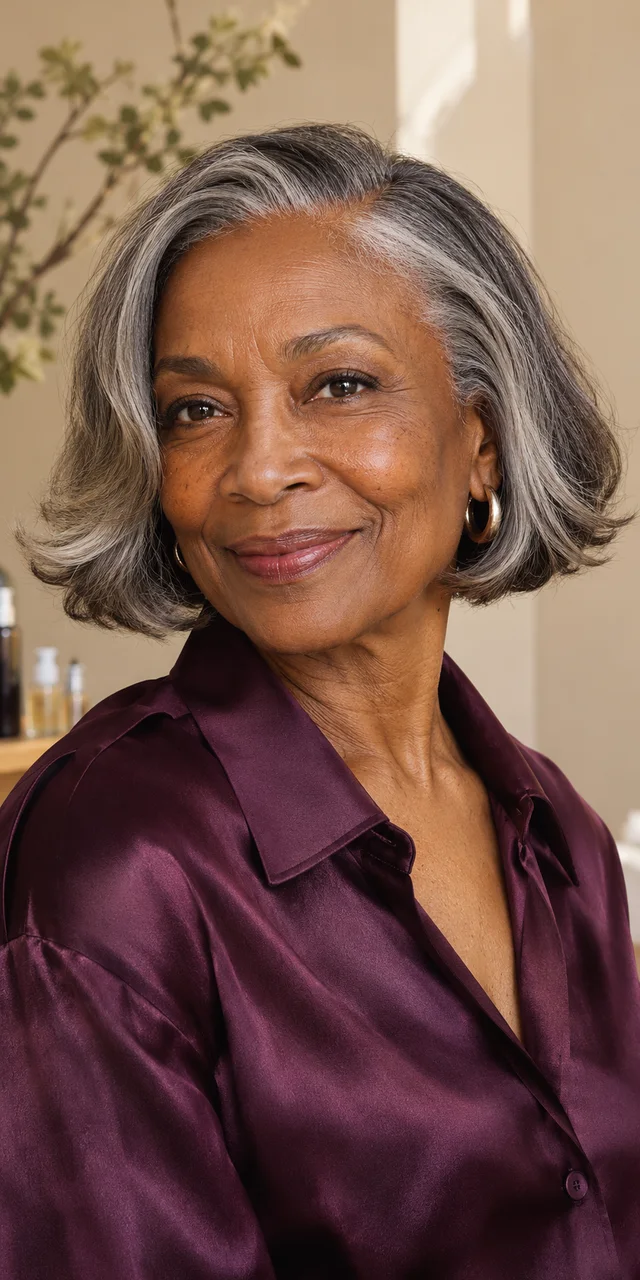
Some chin bobs finish with an outward flick near the jaw. With a side part, one set of ends may turn more than the other because that side carries more hair.
Follow the kick. Try to form the turn that already shows after air-drying. If a section falls straight, you can keep it that way or use a brush when you want both sides to match.
14. Side-parted bob with a blunt perimeter

A blunt edge at chin height lets the part do most of the work around the face. Fine hair with a fairly even perimeter can wear the line straight across without losing the shape of that part.
Comb the heavier side loose before the stylist checks the front corner. Ask to see the outline with both sides down so a tuck doesn’t disguise uneven length.
15. Chin bob with hidden layers

A little movement inside the bob can make the heavier side sit close to the face. The outer line still needs enough hair to reach the chin if you want the shape to look clean with both sides loose.
Show your stylist where the fullness bothers you. If the front has fine ends, ask to see how much they would take out of the side before you commit.
16. Chin bob with an asymmetric front
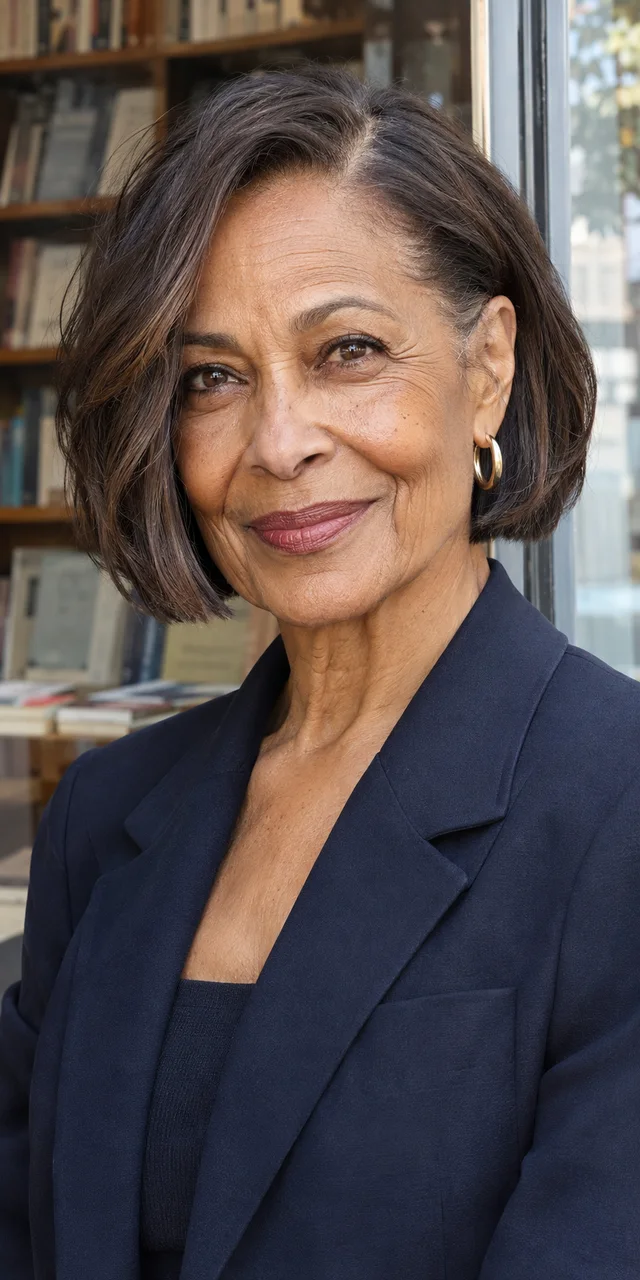
An asymmetrical front can keep one side at the chin while the other ends closer to the corner of the jaw. Put the part on the side you usually wear narrower so the longer panel has room to move.
Check both profiles without a tuck. If you switch your part often, choose a small difference in length you’d want to wear on either side.
17. Soft S-wave side-parted bob

A soft S wave gives the heavier panel of a side-parted chin bob a visible curve. Leave enough length to form that bend when it dries. The front may be higher in its dry state than it was after combing.
Press a little water into the roots and let the wave settle down. If you want more cuts with that texture, compare the natural-wave haircut guide.
18. Chin bob with broad waves

Broader waves can give a short bob a full side without a high crown. Put the part where the first bend breaks toward the cheek, so the largest wave sits outside the eye.
Have your stylist look at both sides after the hair dries. If the wave starts lower on one side, leave enough length there to show it before you cut the perimeter.
19. Side-parted ringlet bob
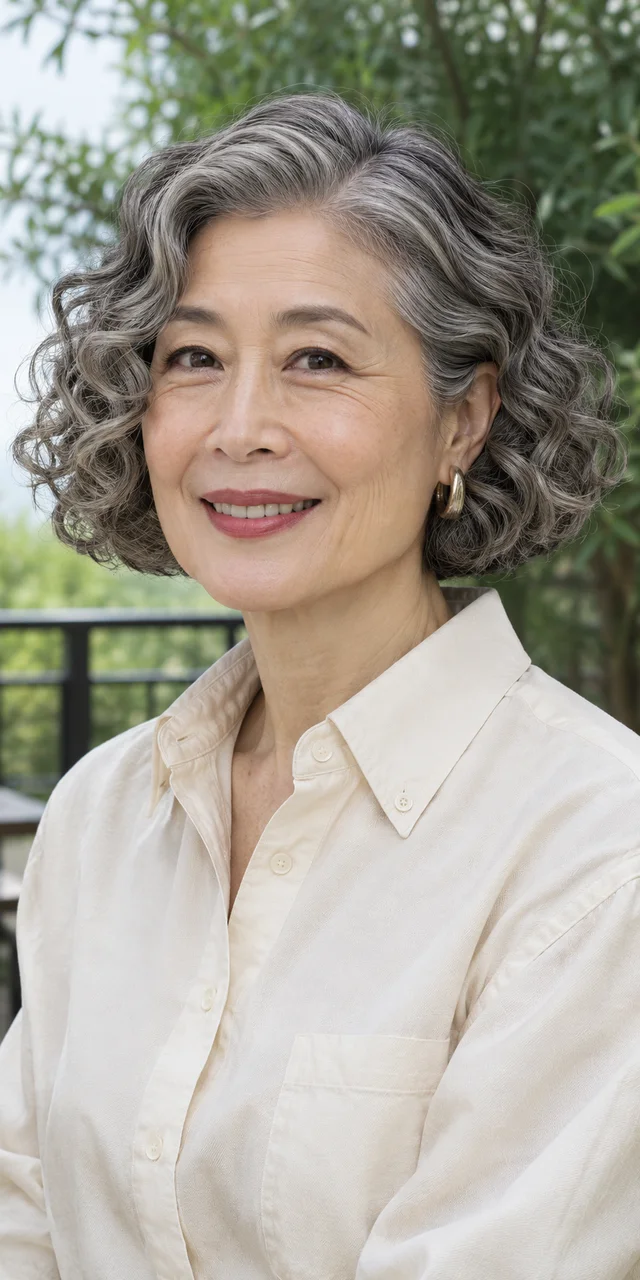
A ringlet bob can reach the chin dry and leave a clear part if the front curls start at different points on either side. The heavy panel can hang toward the jaw without getting in the eye.
Ask your stylist to follow the dry curl groups at the part. If you usually separate them with your fingers, bring a photo of the finished pattern you wear.
20. Side-parted coily bob
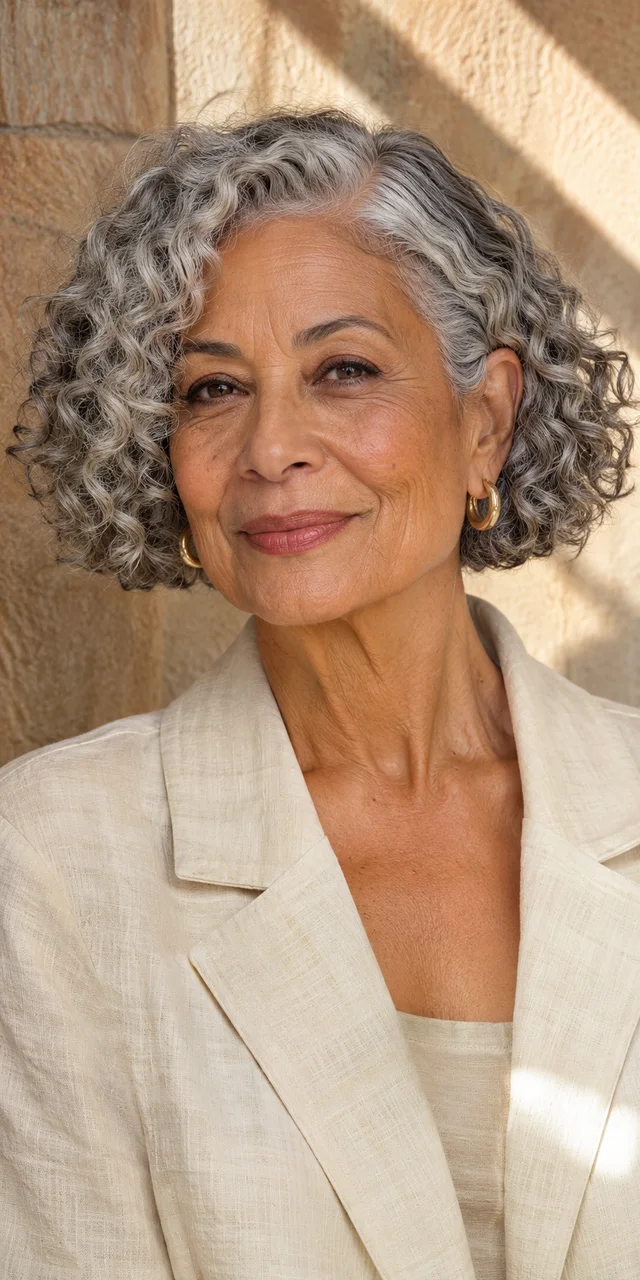
Coils can sit full around a side part, with the ends resting near the chin if the stretched length gives them room. Let the smaller panel show enough shape in front of the ear to balance the thicker side.
Compare the dry shape with the picture you took closer to wash day. A narrow part can stay visible after the roots fill out as long as the stylist works with where they divide.
21. Chin bob with a low side part and crown lift
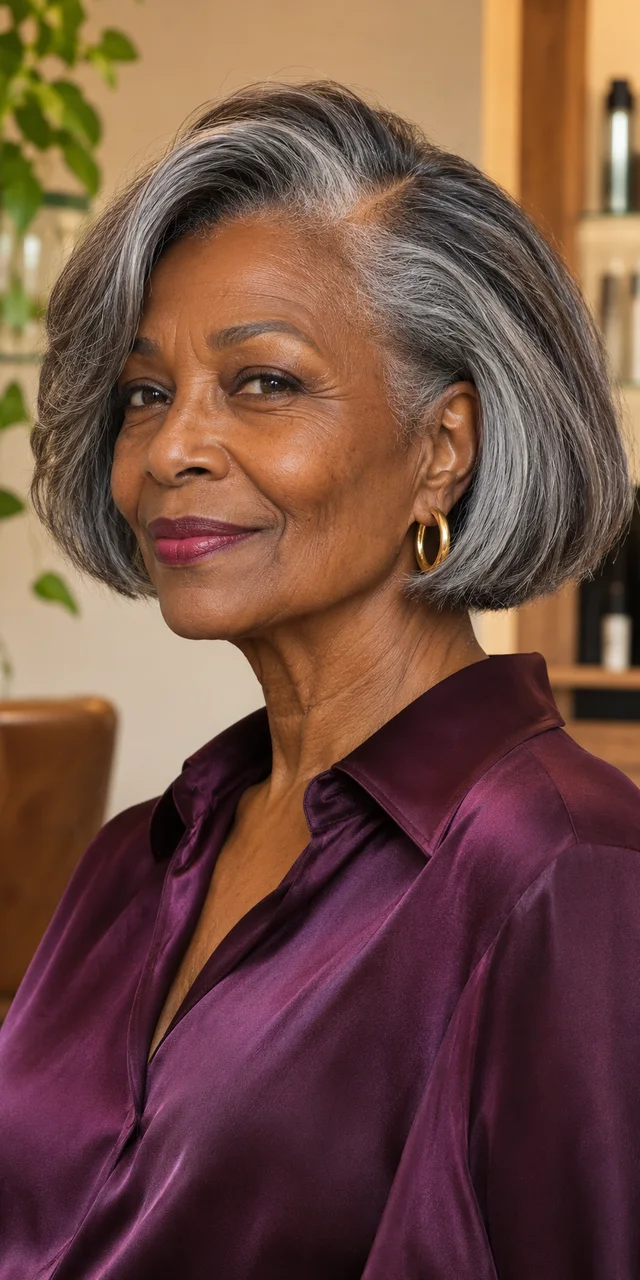
A low part can give the fuller side height when you lift the front at the roots. The jawline stays short and clear beneath that lift, so the hairstyle doesn’t depend on a long sweep.
Test the shape by shifting your part just past the brow arch. If the front falls across the eye as it cools, use a slightly shallower part to hold the lift.
Try the part with the haircut you have
Move your part on dry hair, then walk away from the mirror for an hour. If it ends up close to where it started, show your stylist that position. Compare the front and side views when you choose an example to take along.