23 Long Pixies for Women Over 60
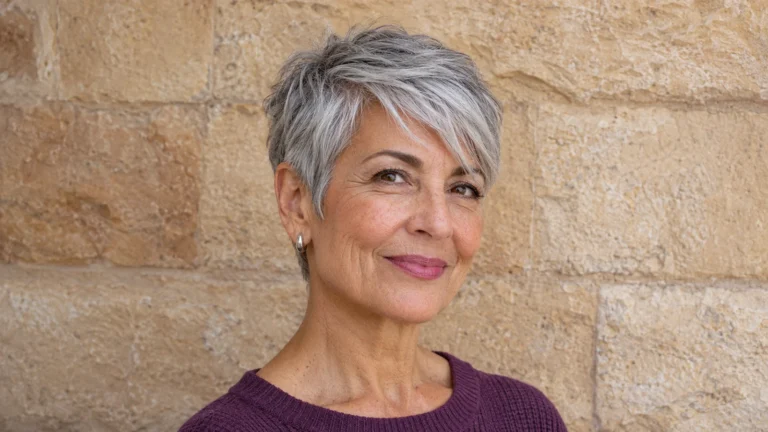
A long pixie lets you keep hair where you want it. You might leave enough to sweep across the forehead, tuck one side or feel a little softness above your collar. The short sections set the outline and decide which of those choices you’ll still have in a month.
These long pixies for women over 60 focus on where to keep length. Hair educator Sam Villa shows how an extended top can work over shorter sections in a grown-out pixie. Pick the area you’d miss most if it went short.
1. Long pixie with a tucked side

Leave enough length on one side to tuck, and keep the ear visible on the shorter side. You get two distinct profiles without having to clip the longer section back.
Ask for a dry check with both sides loose, then try the tuck. The longer edge should travel far enough past the ear to stay put when you turn or pull on a sweater.
On a wet or windy day, one plain clip tucked behind the ear can hold the longer section while keeping the front soft.
2. Long pixie with diagonal fringe

A diagonal fringe gives a long pixie its line across the forehead. If you comb it toward your stronger part, the sweep has a better chance of staying put.
Keep the widest section long enough to drop toward the temple. Watch the lashes. Draw the fringe forward with your fingers and check that the lowest piece moves clear of the eye.
3. Long pixie with a cheekbone panel
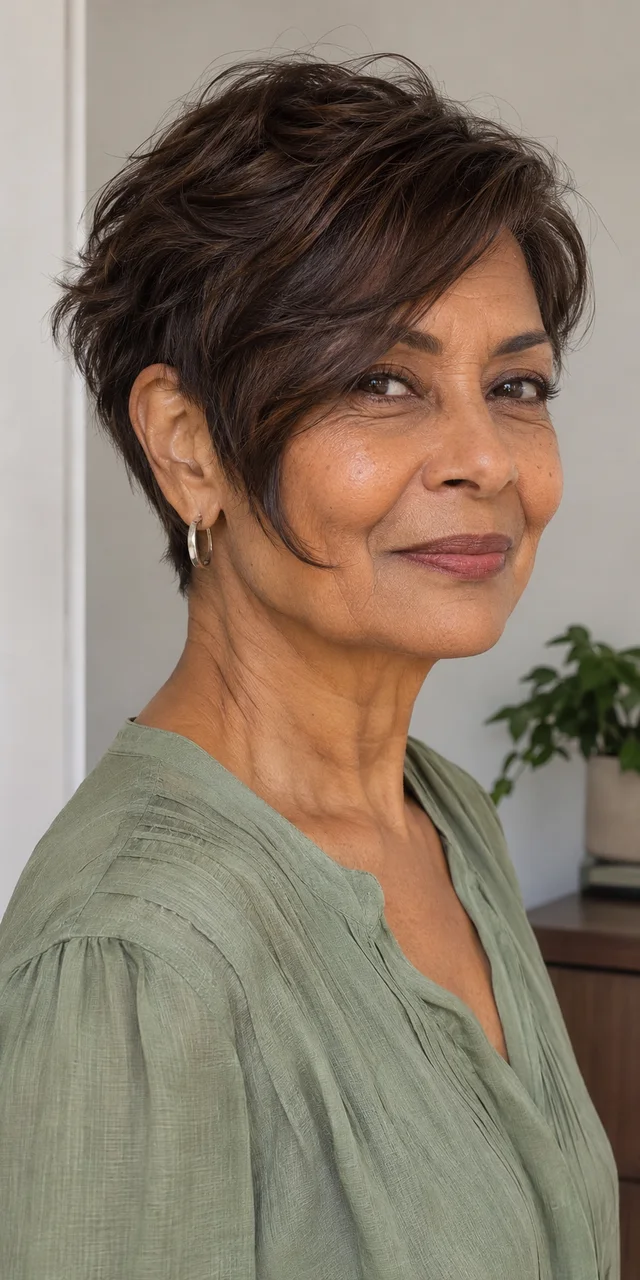
A longer panel that ends at the cheekbone is worth keeping if you like a strong line at one side of your face. The nape remains short, so the outline still has the shape of a pixie in profile.
Decide which side you want to reveal when you tuck the panel. If you wear glasses, see how it lies in front of the frame arm before your stylist takes any more off.
4. Long top with a clipped temple
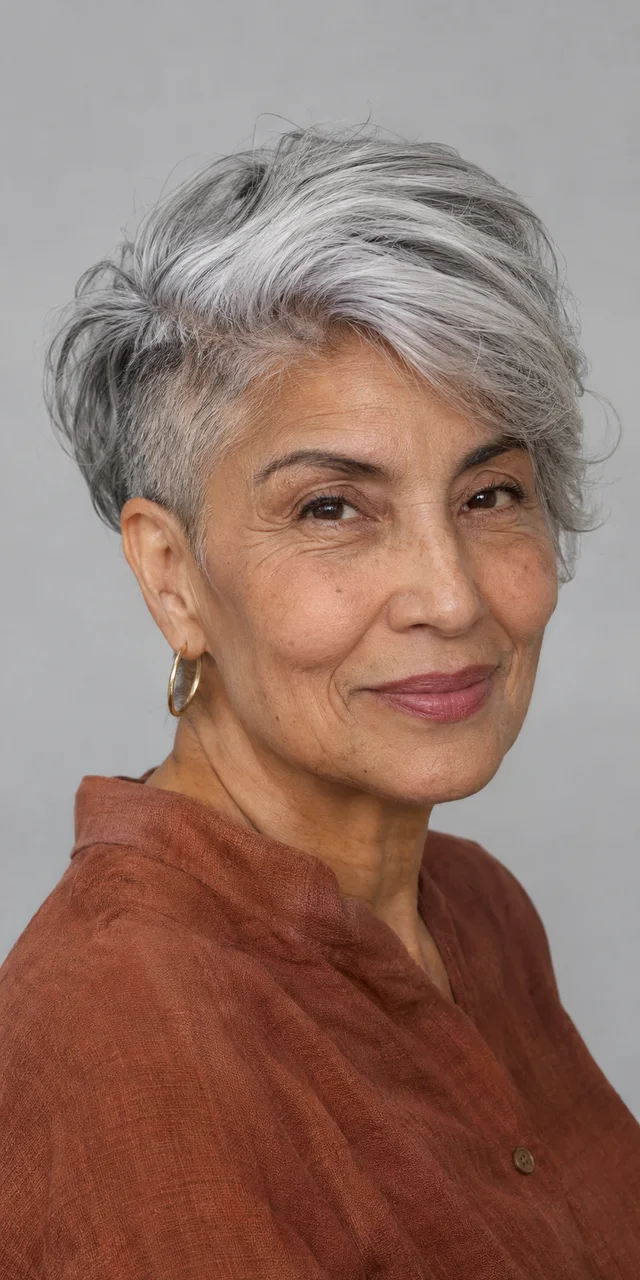
A clippered temple opens a little patch above the ear while the top keeps enough length to swing over it. It can reduce the weight in that area if your hair is dense on the sides.
Pin back the top before you agree on the size of the panel. Look at the shape with the top loose, too. A smaller section will be easier to cover while it grows.
5. Long pixie with soft sideburns

A soft sideburn gives you a visible end in front of the ear even when most of the top is swept away. Keep the hair at that point long enough to follow its growth direction.
Ask the stylist to leave one side until both are dry. If one temple flips outward, its point may look shorter than the other even if the two sections measure the same.
6. Long pixie with an open ear
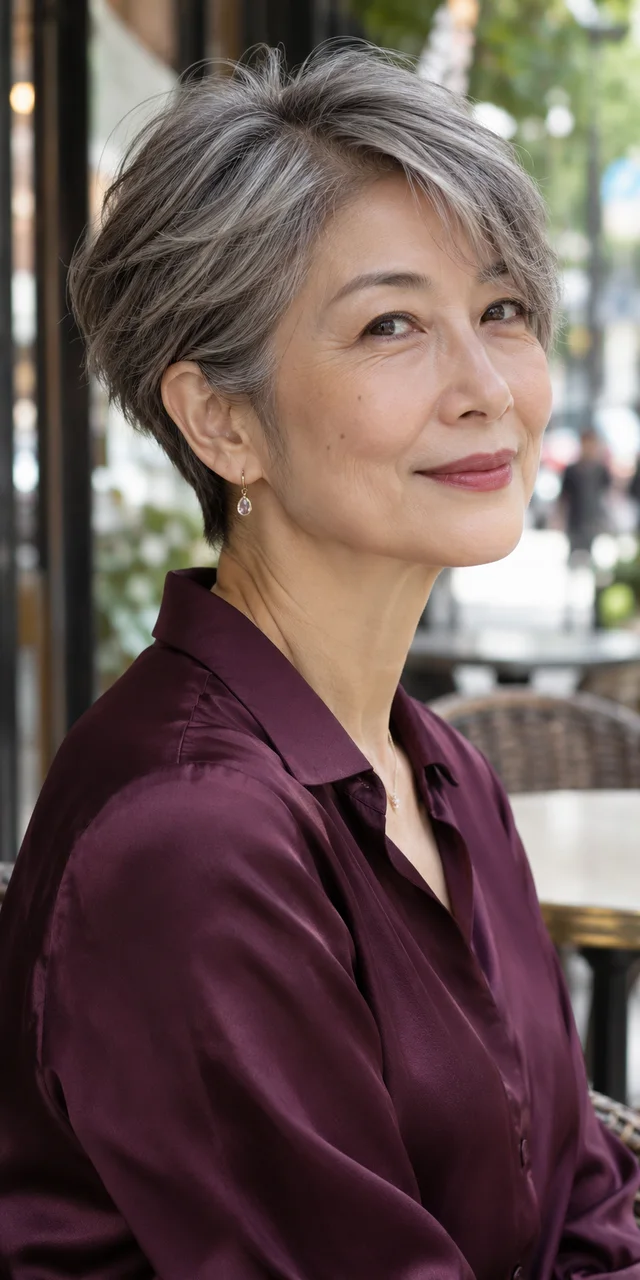
An open ear reads clearly under a longer top, especially if you want to show a stud or a hoop. The top can still brush the forehead while the side pieces sit above the ear.
Wear the earrings to your appointment. Ask for enough space at the back of the ear that you can fasten them without sweeping the hair out of the way first.
7. Layered long pixie for fine hair

Fine hair can overlap at the crown if a few long layers sit over shorter ones. The side keeps enough length to follow the curve of the head, which matters if there is less density near the temple.
Show the stylist where the hair separates in daylight. Ask them to leave the outer layer long enough to cover that spot, then compare these other shapes for short fine hair.
8. Dense long pixie with interior debulking
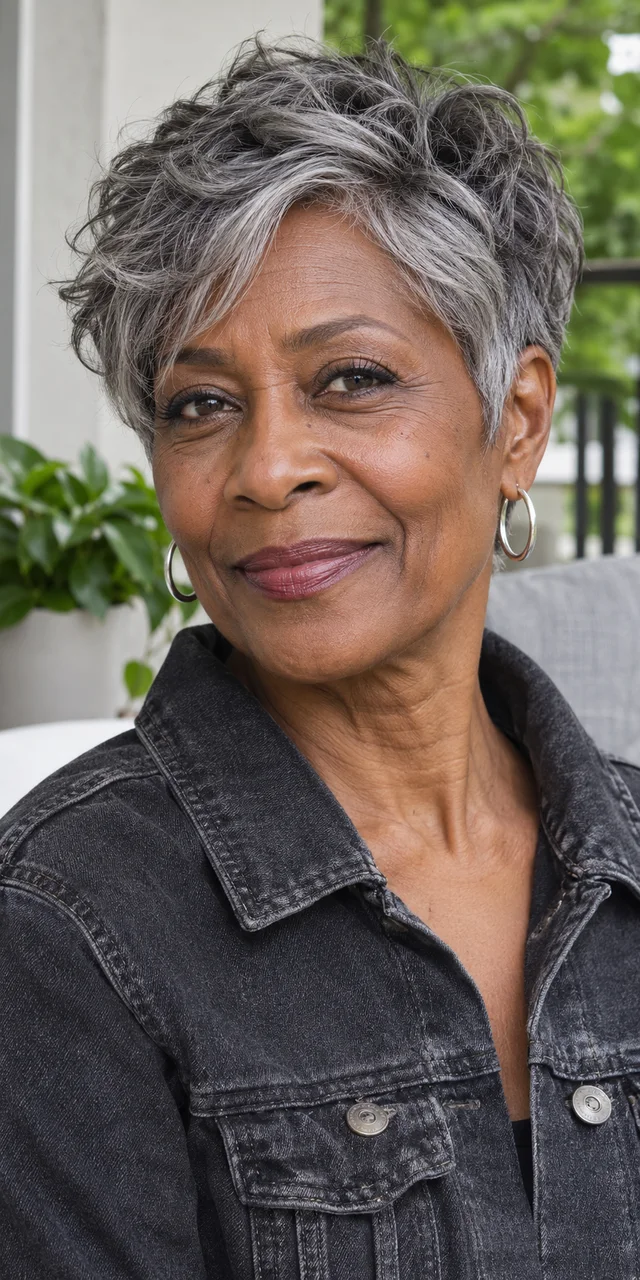
Dense hair can carry a soft long top if the stylist removes weight inside the section that bulges. Keep the length at the edges if you want the sweep to stay visible from the side.
Point to the bulk. Hold down the area that sticks out above your ear and see how much the outline changes. Show your stylist the spot before they thin a wider area.
9. Long pixie with a blunt mini fringe
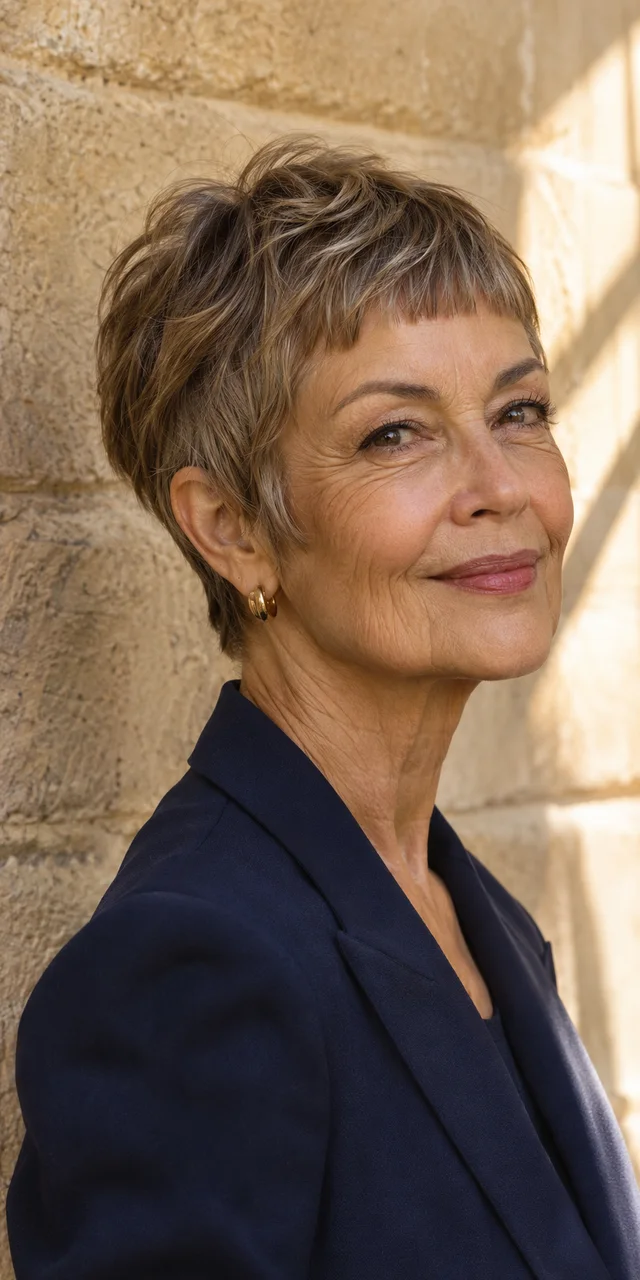
A small straight fringe gives you a sharp edge across the forehead while the top and sides retain a fuller pixie shape. It works best where the front can lie low without much coaxing.
Ask the stylist to leave a narrow section at the hairline for the fringe. You can take more in later if you want a thicker line, once you’ve seen how the front falls dry.
10. Long pixie with wispy brow bangs
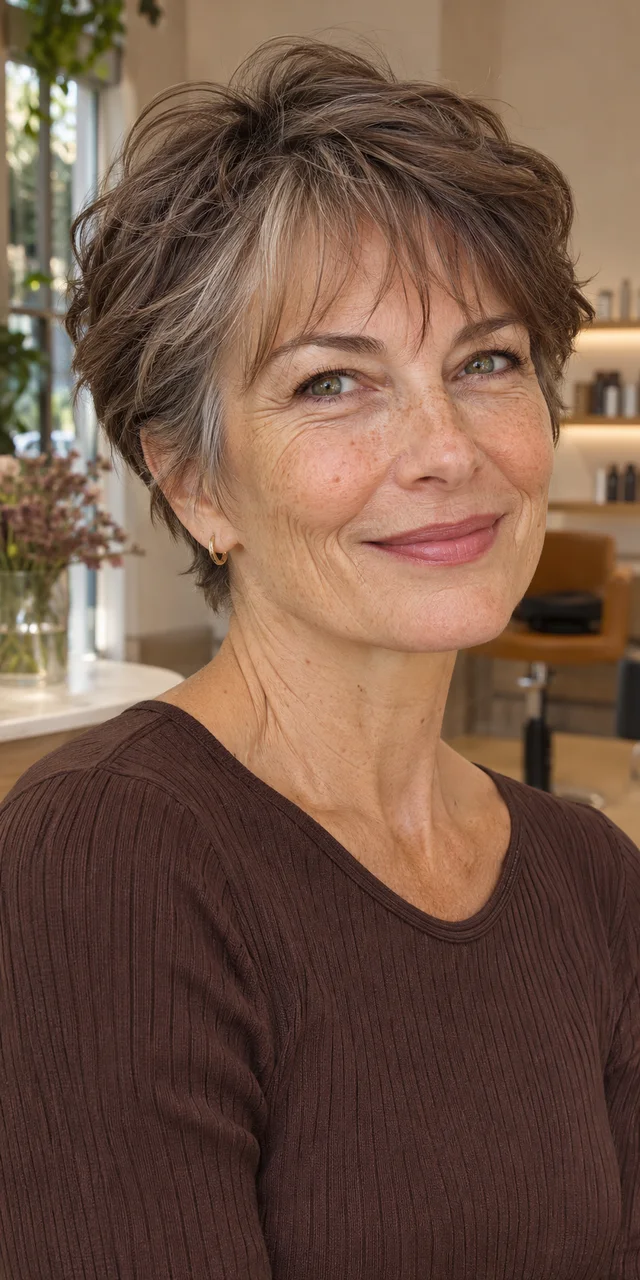
A few bangs that skim the brow can soften a longer pixie without hiding your forehead. Leave some length above the ears if you want the bangs to blend back into the sides.
Use the smallest amount of styling cream you can spread on two fingertips. Touch the tips first so you don’t pull fine strands together at the roots.
The long-pixie grow-out map
- Ears
- Decide if you want the side to stay tucked or grow until it covers the upper ear.
- Crown
- Leave enough length for the piece over your swirl to lie as it grows.
- Nape
- Ask for a clear taper if you want a crisp edge. Keep a few wisps if you want a softer line between trims.
11. Long pixie with a split fringe

A split fringe makes room for a bit of forehead if both sides are long enough to turn out and away. Pick the opening after you’ve seen the roots in their natural position.
Ask the stylist to check both corners against your cheek. If you wear one side tucked, the longer edge can go far enough behind the ear to stay there when the hair settles.
12. Long pixie with a lifted front

A lifted front shows how much length you kept over the forehead. The higher bend stays in front of the crown, where you can see it in profile without adding height at the back.
Use the dryer and a small brush if your hair grows forward. Let it cool in place. Take the brush out after the shape sets if the front tends to collapse as soon as you leave the mirror.
13. Long pixie brushed off the face

A long top can brush away from your face without forming a tall quiff. The loose ends sit across the crown, with enough overlap to cover a swirl that might show on a short cut.
Try brushing the front back with damp fingertips. If a root splits and sends a piece forward, show the stylist where it happens while you discuss how much length to keep.
14. Long pixie with a flat side sweep
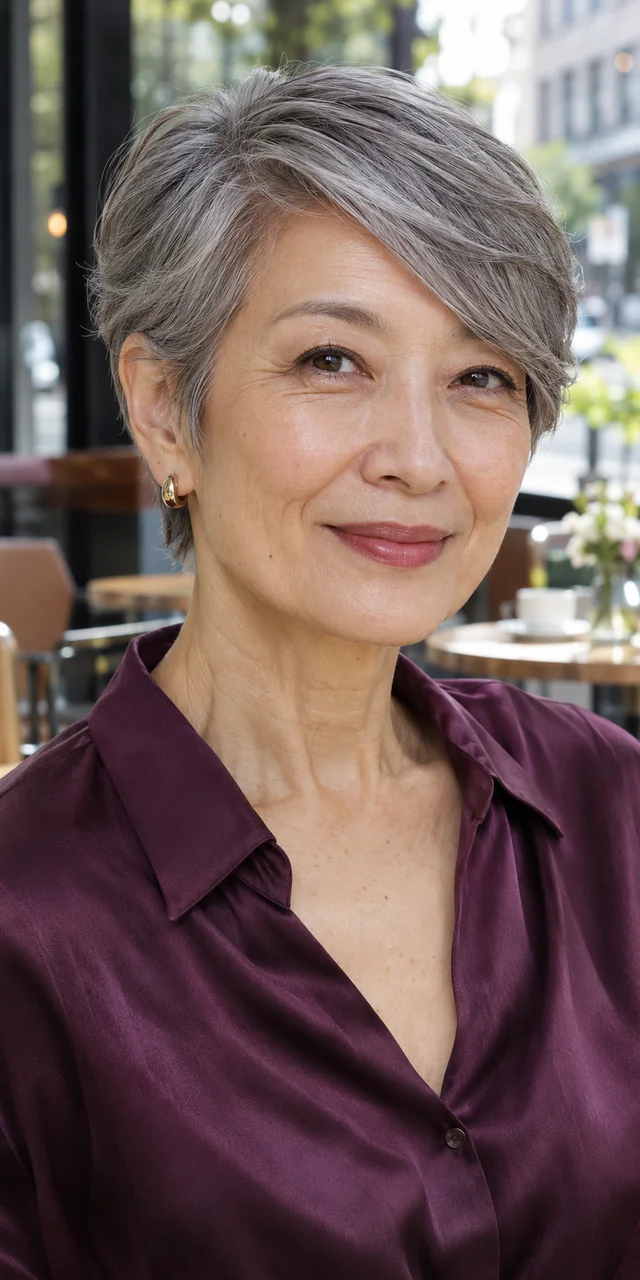
A low sweep lies across the forehead with little height at the part. It can give a straight or fine pixie shape even if you don’t use a round brush.
Check how much the side falls toward your eye when you bend your head. If the front grows forward, ask the stylist to set the sweep where the section can reach your temple.
15. Long pixie with a feathered nape

A feathered nape keeps a few tapered ends near the neck while the longer top still moves. You can see the softness at the back when you wear an open collar.
A low swirl may push those ends to one side. Have the stylist show you the dry direction and set the length where the line sits the way you like.
16. Long pixie with a rounded back
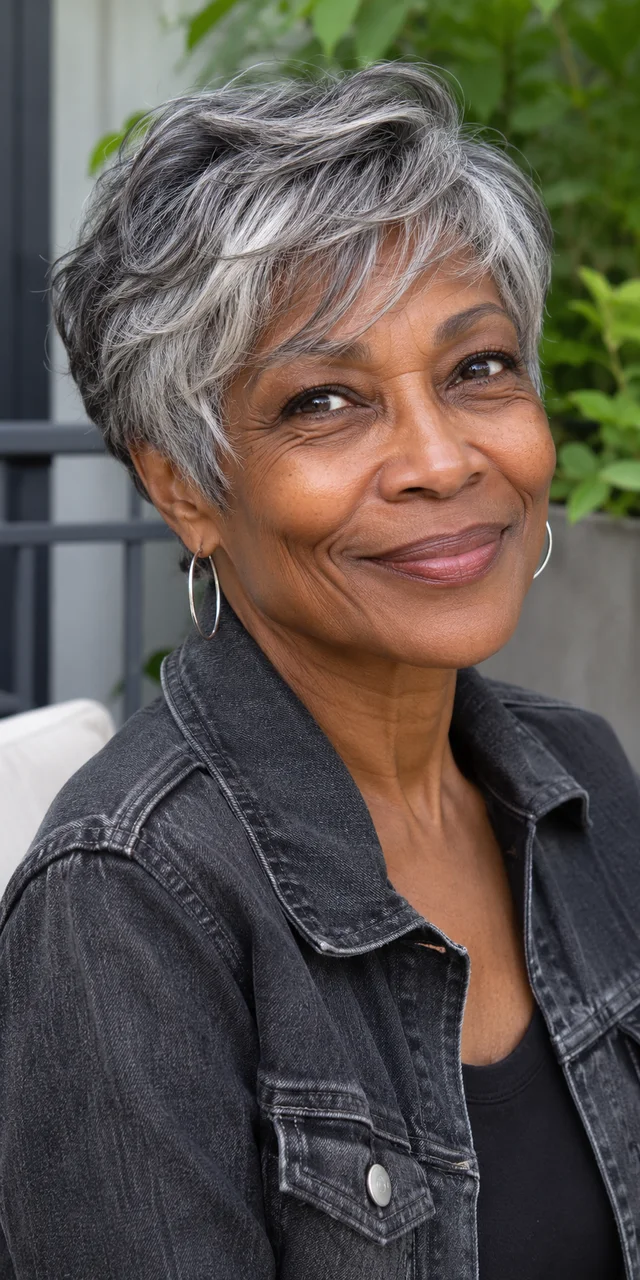
The back of a long pixie can feel round without reaching a bob length. Look for layers that curve just above the nape, where the top meets the shorter back.
See the profile before the stylist lifts it with a brush. If you like the shape when the hair lies loose, the cut will have a better chance of drying that way at home.
Keep a side-view photo from the day of the cut. Use it at your next trim to decide how much of the curve you want to preserve.
17. Long pixie with a close neckline
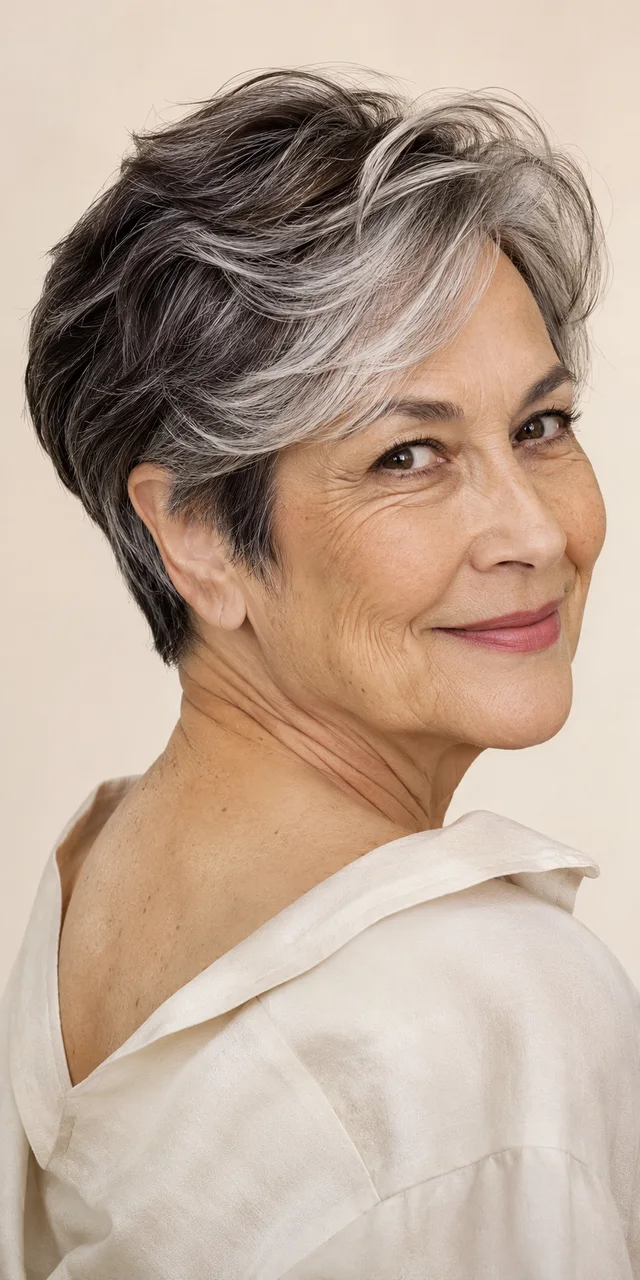
A close neckline gives a long top a firm boundary and leaves room above a jacket collar. At the back, a low scissor taper can leave the natural edge visible without raising the hairline.
Check your collar. Put on a shirt or jacket you wear often. If the edge begins to rub when you turn your head, decide if you want it higher or prefer a softer taper.
18. Wavy long pixie with a sweep
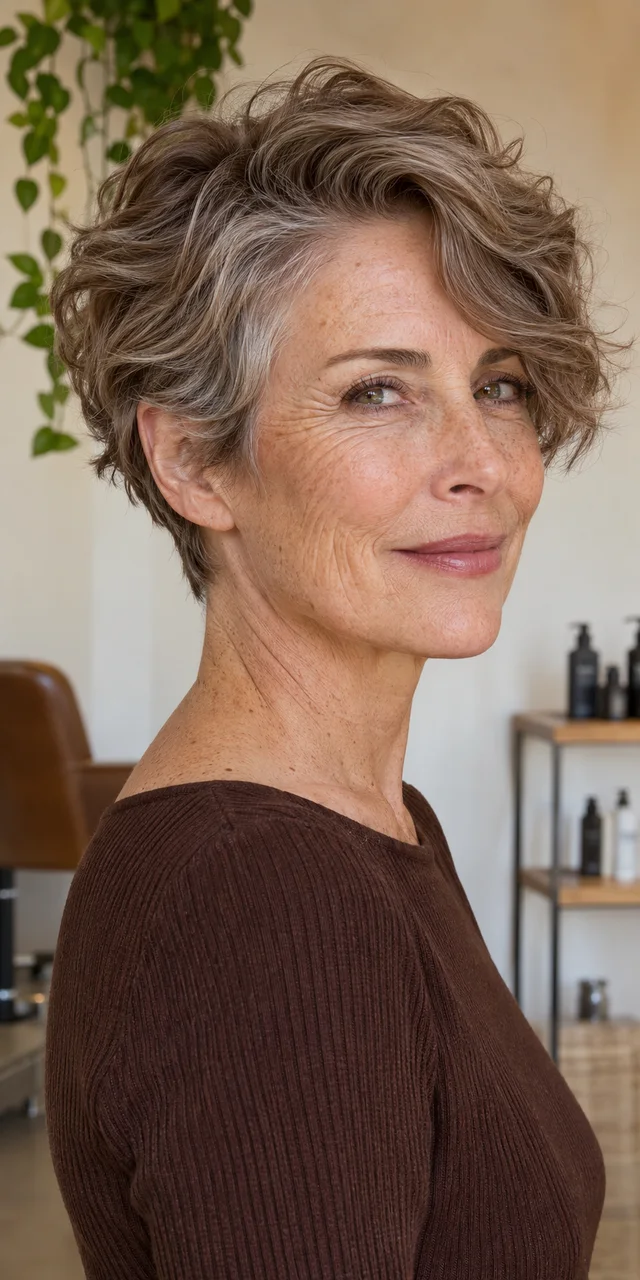
A broad wave can sweep across a long pixie if the front keeps enough length to bend past the brow. Let the stylist choose how much to take with the wave dry so the section stops where you expect it to.
Set it with damp fingertips and leave it alone while it dries. If you pick at the ends, you may pull apart the pieces that form the larger bend.
19. Long pixie with broken waves
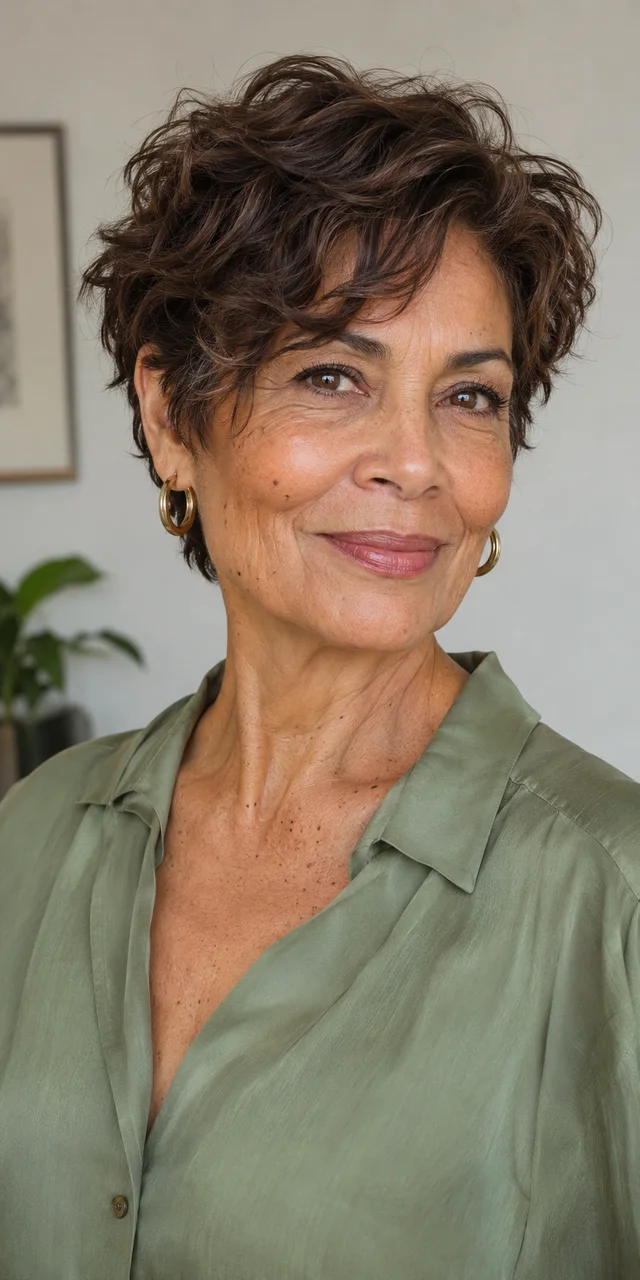
A long pixie can keep shorter broken waves where the ends curve in several directions. Ask for enough length in each section to show its bend, especially if your hair dries straighter around the ears.
Show the stylist your usual air-dried finish. For more examples of where a natural wave can sit, look through these cuts for wavy hair.
20. Long curly pixie with a spiral fringe

A few long spirals at the front stand out if the back stays close and the sides sit above the ear. Decide how much forehead you want to see once those curls return to their resting length.
Pull and release one dry curl while the stylist watches it move. If the front expands later in the week, show a photo from that point in your routine.
21. Rounded long pixie for tight curls
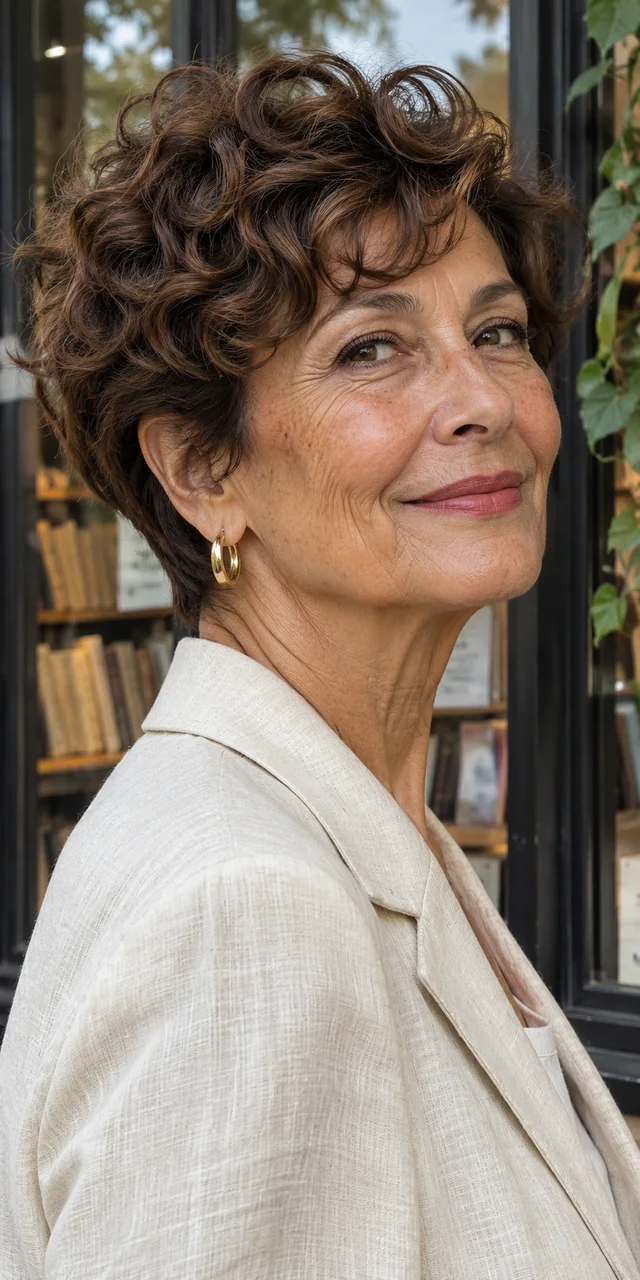
Tight curls can give a long pixie a rounded top while a compact side keeps the ear visible. Retaining a little more crown length lets the curls meet above the temple.
Look at the shape in a side mirror before asking for more height. If you want more lift, see what you can get by raising the dry roots with your fingers.
22. Coily long pixie with a low taper
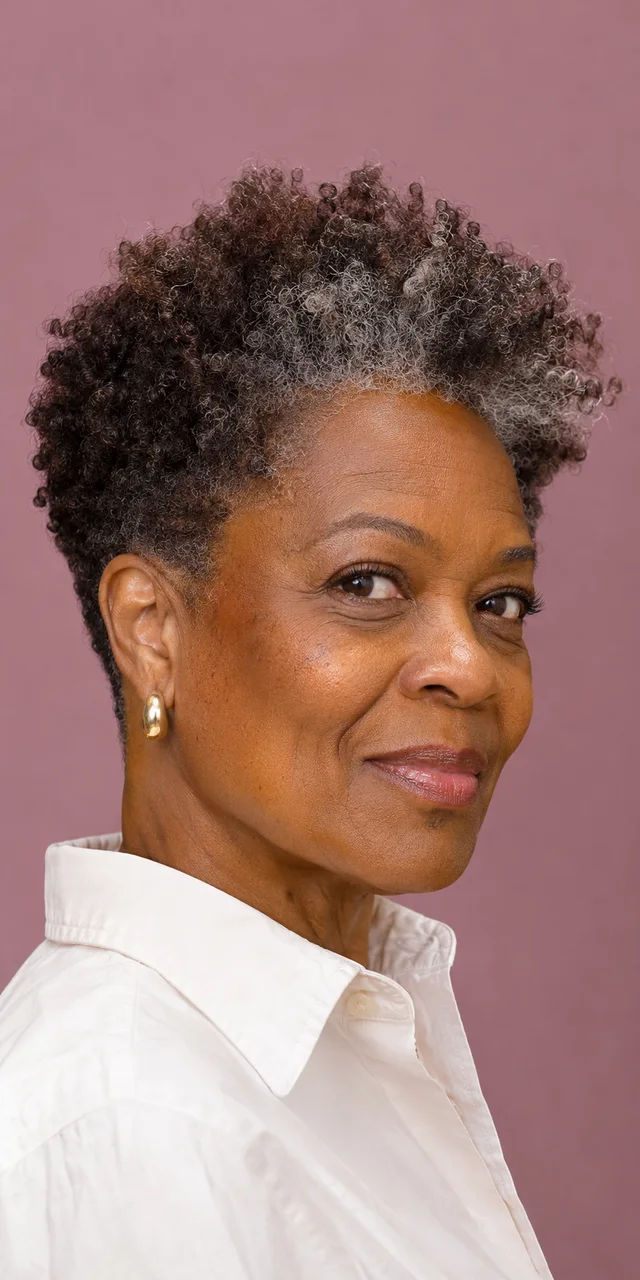
A low taper lets tight coils sit full at the top and clears some space around the ear. The lower edge can remain soft if you leave enough length to see the curl there.
Check what the taper looks like from the back. Ask your stylist to keep the transition near its natural line if you want the edge to grow in with less contrast.
23. Long pixie growing into a bixie

A grown-out long pixie can become a bixie as the back and ears fill in. Save enough length to tuck as those areas catch up. Ask for a small shape change near the collar if the back starts to hang too low.
Bring a photo from the side to your next trim. Point to the length you want to keep before the stylist tidies the outline.
Ask for the length you want to feel
Put your hand over the part that should stay long. Show your stylist if you want to be able to tuck it, push it back or leave it falling over one brow. If you’re starting short, compare the original pixie shapes to see where your cut sits now.