23 Haircuts for Women Over 60 With Square Faces
You may want your haircut to echo the line of your jaw or sit around it in a soft bend. Both can start with a short cut you already like.
Try a loose tuck and look at your profile. Decide how much of the outline you’d like to keep in view before taking in a reference photo.
1. Wavy chin bob

A loose bend across the jaw changes the way the edge sits in profile. Choose where you want the last bend to land once the hair dries.
2. Midlength layers with curtain fringe

Let the long fringe open near the brow and follow the cheek. Try it with your usual glasses before shortening either side.
3. Soft asymmetrical crop
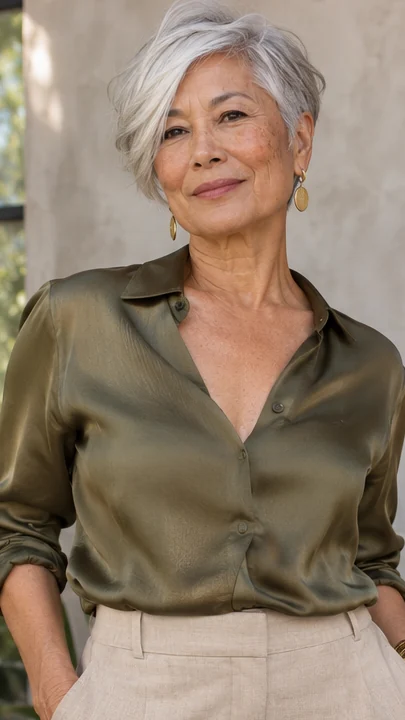
Keep the short side close and let the longer side relax against the face.
A soft edge makes the difference visible without a clippered line.
4. Curly shoulder cut
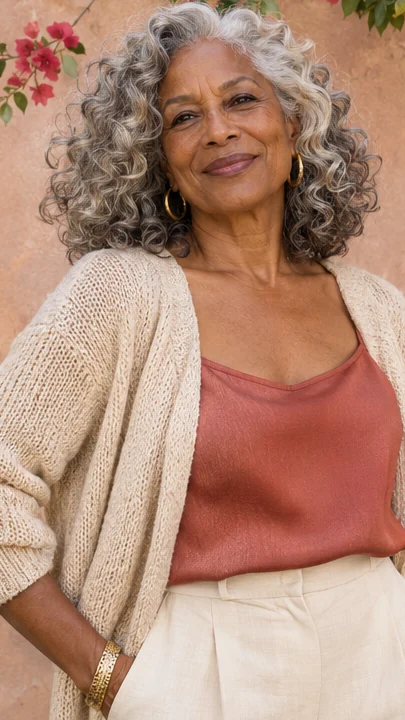
Keep the longest curl groups at shoulder level when dry. Use a few shorter ones near the cheeks if you want more movement there.
5. Collarbone lob with a curved edge

A wide brush can bend the last inch away from the neck. If you like an air-dried finish, see where the ends sit on their own.
6. Side-swept wavy bob

Let the fuller side fall closer to the cheek and tuck the other.
Salon note. A loose wave works here if it still shows after you tuck.
7. Soft shag with a long nape

The longer nape leaves a few pieces visible in profile.
Keep the sides loose enough to move near the jaw rather than combing them flat.
8. Cheekbone layers on straight hair
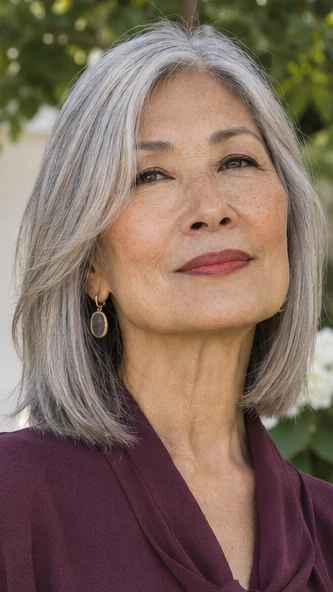
The shortest pieces can sit at the cheek and then merge with the length. Ask if they will reach your low ponytail before cutting.
9. Deep side part with a rounded bob
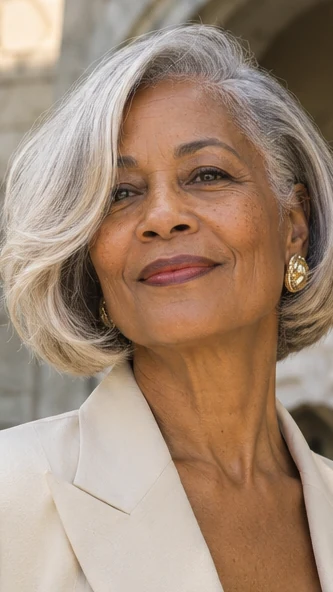
More hair on one side lets the curved edge show without making the whole cut symmetrical. Try setting the part before the trim.
10. Jaw bob with a wispy fringe

Leave a couple of wider gaps in the fringe so the brows still show. Check the dry edge before shortening the front near a cowlick.
11. Collarbone curls with a long side part

Separate the curls along a part you already wear.
Daylight check. Give the fuller side enough length to fall without a heavy clump at the cheek.
12. Ear-length cut with a brushed-back front
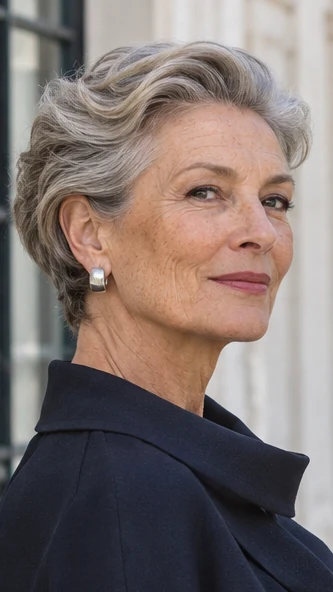
Brush the front back with damp fingers and let a few ends stay loose. A longer temple keeps some hair around the frame arm.
13. Long bob with a soft underturn

Ask to see the ends with a wide bend under instead of a tight roll. The finish should still work with your hair loose on a coat.
14. Rounded crop with a diagonal fringe

A diagonal fringe can sit high on one side and sweep toward the other temple. Leave a little room for it to fall after drying.
15. Shoulder cut with a shallow U
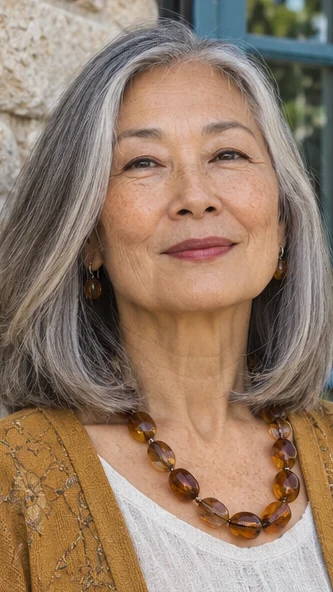
Leave some length at the back and a soft line along the sides.
Ask to see the view with your hair brought forward over one shoulder.
16. Brushed-out curls with a soft perimeter

Use the biggest curl group as your guide for the edge. If you separate it after drying, decide how much width you want around the face.
17. Piecey bixie with an exposed ear
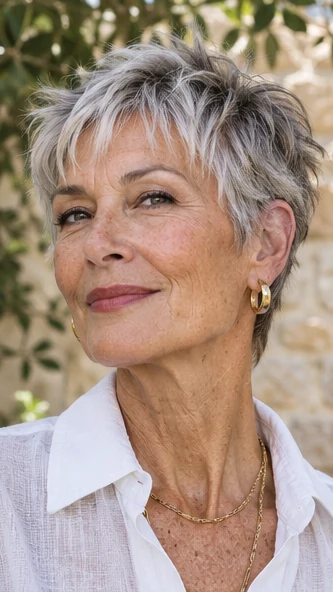
Keep a soft section over one temple and use the other side for a tuck.
Upkeep cue. Show the stylist where your earrings start and where the hair should stop.
18. Below-the-jaw blunt bob with a side tuck

Here the line stays strong, but a tuck lets one side sit open. Choose an edge far enough down to keep the tuck in place.
19. Medium layers with a loose cheek sweep

Leave the front pieces long enough to turn away from the face with a brush.
A shorter piece may spring forward when you are in a hurry.
20. Shoulder-length wave with a straight edge
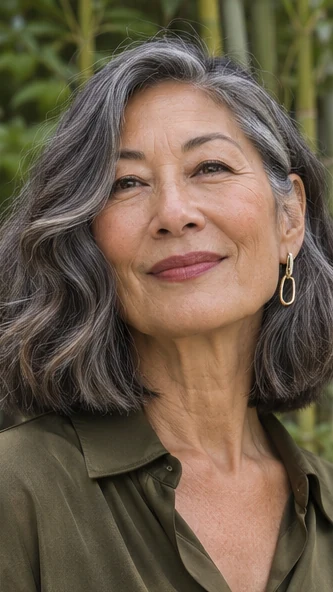
Try an intact bottom if the ends look thin after layering. Let the wave supply movement at cheek level while the edge stays visible below.
21. Soft crop with a long temple piece

A slender piece beside the ear can soften the transition to short sides. It also leaves an option for people who like some temple coverage.
22. Collarbone bob with a long center fringe

Let the center of the fringe open and allow each side to reach the cheek. Check it with the hair tucked before setting the final length.
23. Curly bob with uneven front pieces

One curl may spring higher than the next.
Set the front shape dry and leave a little difference if it follows the natural curl groups.
For more ideas, see the guide to short haircuts for fine hair.
The portraits are AI-generated illustrations of the featured looks.